Hidden brake defects can reduce your heavy vehicle’s stopping power by 30% while appearing perfectly normal during routine inspections. With NHVR roadside officers now carrying portable testing equipment, discover why visual checks aren’t enough to keep your fleet compliant.
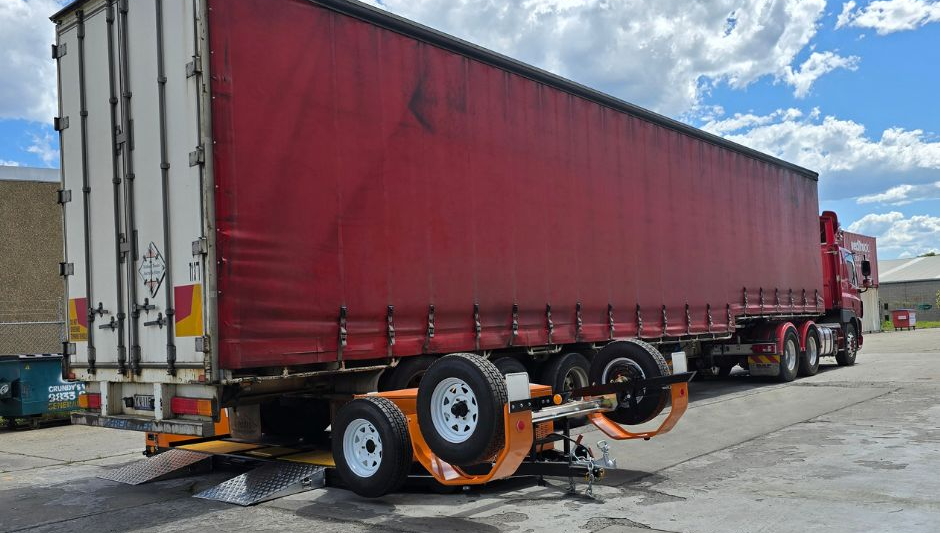
Heavy vehicle operators across Australia face increasing scrutiny from the National Heavy Vehicle Regulator (NHVR) when it comes to brake safety and compliance. The consequences of brake system failures extend far beyond regulatory penalties—they can result in devastating accidents that claim lives and destroy businesses. Understanding why the NHVR actively promotes roller brake testing reveals how this technology protects both operators and the travelling public through measurable safety improvements.
The National Heavy Vehicle Regulator has established detailed braking standards through the National Heavy Vehicle Inspection Manual (NHVIM) that all commercial vehicles over 4.5 tonnes must meet. These regulations aren't arbitrary guidelines—they're based on extensive research into heavy vehicle accident causes and the critical role that braking performance plays in preventing collisions. The NHVR's enforcement of these standards reflects their commitment to reducing heavy vehicle-related fatalities and injuries on Australian roads each year.
Under the Heavy Vehicle National Law, operators must ensure their vehicles meet specific braking efficiency requirements that can only be accurately verified through professional testing equipment. Visual inspections can identify obvious problems like worn linings or damaged components, but they cannot precisely measure whether a brake system meets the minimum 50% efficiency standard required for road worthiness. Professional roller brake testing services provide the precise measurements needed to demonstrate compliance with these critical safety standards.
The NHVR's regulatory framework recognises that modern heavy vehicles operate in increasingly demanding conditions, from congested urban environments to challenging rural highways. Brake systems must perform reliably across varying loads, weather conditions, and terrain types. This regulatory approach ensures that all heavy vehicles maintain consistent braking performance regardless of their operational environment or age.
Traditional visual brake inspections can identify obvious problems like worn linings or damaged components, but they cannot measure the actual braking force generated by each wheel. Critical issues such as uneven brake balance, insufficient overall stopping power, or gradual performance degradation remain hidden until they cause problems on the road. These invisible defects can reduce braking efficiency by 20-30% while appearing perfectly normal during routine maintenance checks.
Contamination from oil, grease, or moisture can significantly reduce brake friction without creating visible signs of damage. Similarly, internal air system leaks may only become apparent under load conditions that cannot be replicated during static inspections. Roller brake testing exposes these hidden defects through controlled measurement processes that simulate real-world braking demands.
Professional roller brake testing equipment measures the exact force generated by each brake assembly, providing precise data about left-to-right balance and overall axle efficiency. This detailed assessment reveals performance variations that could cause dangerous vehicle pulling during emergency stops or indicate impending component failures. The testing process evaluates each wheel position independently, creating a detailed performance profile for the entire braking system.
Modern testing equipment calculates braking efficiency as a percentage of vehicle weight, automatically accounting for load variations and providing standardised results that meet NHVR requirements. These measurements detect issues like dragging brakes that waste fuel, overheating problems that reduce stopping power, and air pressure irregularities that compromise system reliability.
Regular maintenance schedules focus on replacing worn components and adjusting systems according to manufacturer recommendations, but they cannot account for individual vehicle variations or operational factors that affect braking performance. Environmental conditions, driving patterns, load characteristics, and gradual component wear all influence brake efficiency in ways that standard maintenance cannot predict or prevent.
Well-maintained vehicles can develop performance issues between service intervals due to factors like brake adjustment changes, contamination exposure, or component settling. Professional testing provides objective verification that maintenance procedures have achieved their intended results and identifies any developing problems before they compromise safety or compliance.
The NHVR's updated National Heavy Vehicle Inspection Manual requires brake performance testing using standardised procedures that ensure consistent and accurate results. These standards mandate specific testing protocols, equipment calibration requirements, and documentation procedures that create reliable evidence of vehicle compliance. Operators who maintain current test records demonstrate their commitment to safety and regulatory adherence.
Professional testing facilities must follow the National Roller Brake Testing procedure to ensure consistency across different locations and operators. This standardisation means that test results from certified facilities provide legally recognised evidence of compliance that satisfies NHVR requirements during inspections or investigations.
NHVR enforcement officers conducting roadside inspections have access to portable testing equipment and the authority to issue immediate defect notices for vehicles with substandard braking performance. Operators carrying recent roller brake test certificates can demonstrate proactive compliance efforts and potentially avoid lengthy roadside delays or expensive on-the-spot repairs.
Documented test results also provide vital evidence in legal situations involving accidents or insurance claims. Professional testing reports detail the exact performance capabilities of braking systems at specific points in time, creating objective records that can support insurance claims or defend against liability allegations. This documentation becomes particularly valuable when dealing with Chain of Responsibility investigations that examine maintenance practices and compliance history.
Emergency brake system repairs typically cost 3-5 times more than planned maintenance due to additional component damage, urgent parts procurement, and unexpected downtime costs. When brake systems fail catastrophically, the resulting damage often extends beyond the original problem area, requiring extensive repairs to restore vehicle safety and performance. Regular testing identifies developing issues when they can be addressed through routine maintenance rather than emergency intervention.
Consider the financial impact of a brake-related breakdown during peak operational periods: repair costs, towing expenses, missed deliveries, customer relationship damage, and potential regulatory penalties can easily exceed $10,000 for a single incident. Professional testing costs represent a fraction of these emergency expenses while providing advance warning of developing problems.
Brake system components work together as an integrated system where problems in one area quickly affect other components. Dragging brakes create excessive heat that damages drums, rotors, and seals. Unbalanced braking forces cause premature wear on suspension components and tyres. Air system leaks reduce overall system pressure and force other components to work harder than designed.
Early detection through regular testing allows operators to address root causes before they cascade into multiple system failures. This preventative approach maintains vehicle reliability while minimising repair costs and reducing the likelihood of roadside breakdowns that compromise safety and operational efficiency.
The NHVR's Heavy Vehicle Safety Initiative (HVSI) program represents a structured approach to reducing heavy vehicle accidents through improved maintenance practices and operator education. This program supports projects that deliver measurable safety improvements, including the development of standardised testing procedures and the promotion of advanced diagnostic technologies like roller brake testing.
Through the National Roadworthiness Survey involving over 9,000 detailed vehicle inspections, the NHVR has identified brake system defects as one of the most common safety issues affecting heavy vehicle fleets. This extensive research demonstrates the critical importance of regular brake performance testing and has informed the development of updated inspection procedures that emphasise objective measurement over subjective assessment.
The NHVR's National Roller Brake Testing procedure establishes uniform standards for equipment calibration, testing protocols, and result interpretation across all certified testing facilities. This standardisation ensures that a test performed in Sydney produces comparable results to one conducted in Perth, creating consistency that operators can rely on regardless of location.
The standardised procedure includes specific requirements for equipment accuracy, environmental conditions, vehicle preparation, and documentation standards. These detailed protocols eliminate variations that could affect test reliability and ensure that all certified facilities provide results that meet legal requirements for compliance documentation.
Professional roller brake testing provides quantifiable data about braking performance that eliminates guesswork from safety assessments. Unlike subjective visual inspections or road tests that can vary based on conditions and operator experience, roller brake testing delivers consistent measurements that accurately reflect vehicle capabilities under controlled conditions.
The precision of modern testing equipment allows detection of performance variations as small as 5%, providing early warning of developing problems before they affect road safety. This level of accuracy enables predictive maintenance scheduling based on actual performance data rather than arbitrary time or mileage intervals, optimising maintenance costs while maximising safety.
Certified testing facilities maintain equipment calibration records and follow strict quality assurance procedures that ensure result accuracy and reliability. This professional approach creates documentation that satisfies regulatory requirements while providing operators with actionable information for maintaining optimal vehicle performance.
The investment in professional testing pays dividends through reduced maintenance costs, improved safety ratings, better compliance documentation, and the peace of mind that comes from knowing your vehicles meet the highest safety standards. For professional heavy vehicle maintenance and testing services, visit 10 Four Truck Repairs to ensure your fleet maintains optimal safety and compliance standards.


