Virginia homeowners dealing with scratching sounds in walls face more than just a nuisance—rodents spread over 35 diseases and can produce hundreds of offspring annually, making DIY solutions surprisingly ineffective against established infestations.
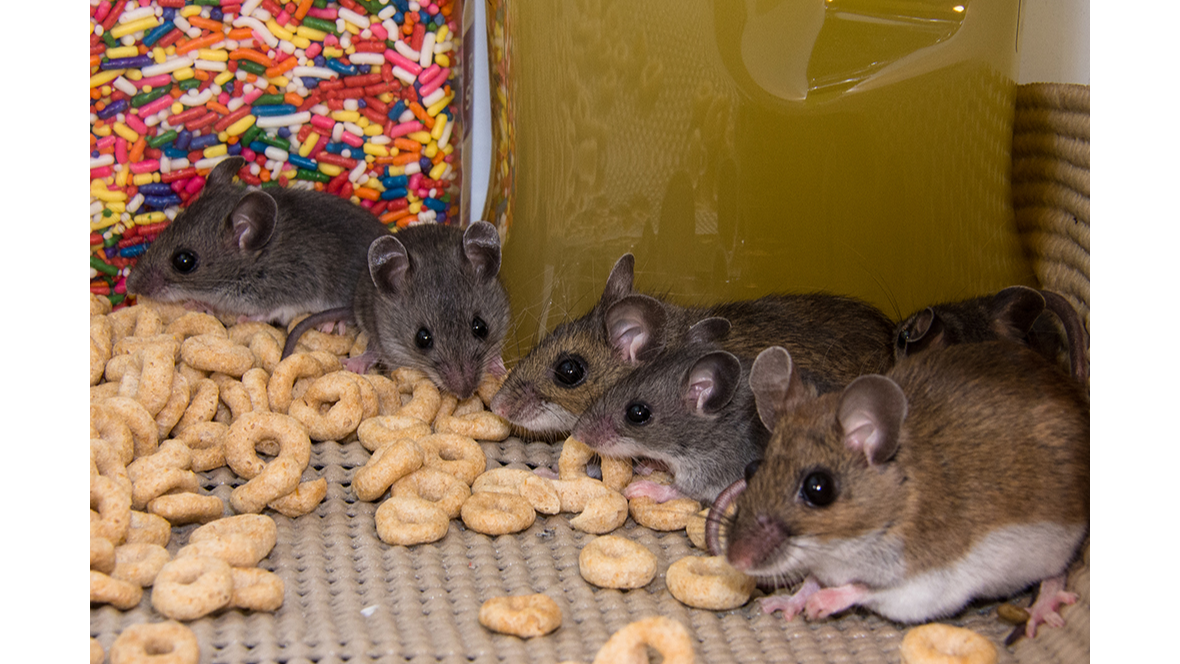
Virginia homeowners face a serious threat from rodent infestations that extends far beyond the unsettling sounds of scratching in the walls. These unwelcome invaders carry pathogens that may lead to over 35 diseases transmissible to humans either directly or indirectly through ticks, mites, and fleas. Common illnesses spread by rodents include Hantavirus, Leptospirosis, and Salmonellosis—conditions that can cause severe health complications for families.
The property damage caused by rodents creates equally concerning risks. These persistent pests gnaw on electrical wires, creating dangerous fire hazards throughout homes. They also damage plumbing systems, insulation, drywall, furniture, and stored items, leading to costly repairs that can escalate quickly if left untreated.
Understanding the full scope of rodent-related risks helps Virginia residents make informed decisions about professional treatment options. Professional pest control specialists offer that address both immediate infestations and long-term prevention strategies.
Recognizing the early indicators of rodent activity can save homeowners from extensive damage and health risks. These warning signs often appear in subtle ways that many residents initially overlook or dismiss as minor household issues.
Small, dark droppings near food sources, cupboards, or along baseboards represent the most common sign of rodent presence. These pellets typically measure about the size of rice grains and appear fresh when infestations are active. Gnaw marks on wood surfaces, food packaging, and even electrical wires indicate ongoing feeding behavior.
Urine spots, sliding marks along walls, and shredded nesting materials in hidden corners also signal established rodent populations. Professional inspectors often find these materials in attics and basements, where rodents prefer to build their nests away from human activity.
Scratching, scurrying, or squeaking sounds within walls or ceilings, particularly during nighttime hours, indicate active rodent movement. These noises often intensify as populations grow and compete for territory and resources.
A persistent musky odor, especially in enclosed spaces like pantries or storage areas, can indicate rodent urine marking or nearby nesting sites. This smell becomes more pronounced as infestations establish themselves over time.
Store-bought traps and deterrents often provide false confidence to homeowners dealing with rodent problems. While these products may catch individual rodents, they typically fail to address the underlying population dynamics and structural issues that allow infestations to persist and grow.
The reproductive capacity of rodents makes DIY approaches particularly ineffective against established populations. A single pair of mice can produce hundreds of offspring within a single year under optimal conditions. This exponential growth means that catching one or two rodents barely impacts the overall population.
Female rodents can begin reproducing at just six weeks of age, with gestation periods lasting only 19-21 days. This rapid reproduction cycle ensures that populations can recover quickly from minimal control efforts, making professional intervention necessary for lasting results.
Rodents can squeeze through small openings; mice can enter through dime-sized holes, while rats can enter through quarter-sized openings. Common access routes include gaps around utility lines, foundation cracks, loose vent covers, and spaces under garage doors.
These entry points often remain concealed behind appliances, within wall cavities, or in hard-to-reach areas that require specialized equipment and training to locate. Without sealing these access routes, new rodents continue entering even after initial populations are reduced through trapping efforts.
Effective rodent control requires a systematic approach that addresses all aspects of infestation management. Professional pest control companies employ proven methodologies that target current populations while preventing future invasions through structured treatment protocols.
Professional technicians conduct detailed property assessments that examine both interior and exterior areas for signs of rodent activity. This process includes checking attics, basements, crawl spaces, and utility areas using specialized tools like thermal cameras and moisture meters to identify hidden nesting sites.
Inspectors document all entry points, assess infestation severity, and identify environmental factors that attract rodents to specific properties. This detailed evaluation forms the foundation for customized treatment strategies that address each home's unique vulnerabilities.
Professional elimination methods utilize targeted placement of traps and bait stations based on rodent behavior patterns and traffic routes. Technicians select appropriate tools—including snap traps, live capture devices, and secured bait stations—depending on infestation severity and homeowner preferences.
These strategic placements focus on high-activity areas identified during inspections, maximizing capture effectiveness while minimizing risks to household members and pets. Follow-up visits ensure continued population reduction until elimination goals are achieved.
Permanent exclusion work involves sealing all identified entry points using materials that resist rodent gnawing behavior. Steel wool, metal flashing, and specialized caulking compounds create barriers that prevent reentry through previously used access routes.
This exclusion work extends beyond obvious gaps to include reinforcement of doors, windows, and utility penetrations. Professional technicians understand building construction and can identify structural vulnerabilities that homeowners typically miss during self-inspection efforts.
Long-term success requires regular monitoring visits that track treatment effectiveness and identify new potential issues before they develop into full infestations. These visits include trap maintenance, bait station refilling, and reassessment of previously sealed entry points.
Monitoring programs also provide opportunities to adjust strategies based on seasonal patterns, property changes, or evolving rodent behavior. This proactive approach maintains protection levels and prevents costly reinfestation scenarios.
Professional rodent control pricing in Virginia varies significantly based on several key factors that influence treatment complexity and duration. Understanding these cost variables helps homeowners budget appropriately for rodent management services.
Initial treatment costs typically range from $150 to $600 for most Virginia residential properties, with some severe cases reaching up to $1,000, though prices vary depending on location and the extent of the infestation. These prices reflect the structured nature of professional services, including inspection, elimination, and basic exclusion work.
Smaller infestations confined to single rooms or limited areas generally fall within the lower cost range, while whole-house treatments for established populations require more extensive resources and higher investment levels.
Property size, structural complexity, and infestation severity directly influence treatment costs. Larger homes with multiple access points, extensive crawl spaces, or complex architectural features require more time and materials for effective treatment.
Geographic location within Virginia also affects pricing, with urban areas like Virginia Beach averaging $150-$500 for initial treatments. Rural properties may face higher costs due to travel distances and specialized access requirements. Exclusion work, which involves sealing entry points and structural modifications, can add $200-$2,600 to total treatment costs depending on property conditions.
Ongoing maintenance plans provide cost-effective protection against future rodent problems, typically ranging from $40-$200 per monthly visit. These programs include regular inspections, trap maintenance, and immediate response to new activity signs.
Monthly plans often prove more economical than reactive treatments, preventing costly damage and health risks associated with reinfestation. Many Virginia pest control companies offer customized maintenance schedules that adapt to seasonal rodent activity patterns and individual property needs.
For professional rodent elimination services that protect your Virginia home and family, get in touch with a local professional to schedule your inspection and treatment plan.


