Dealing with chronic back pain but worried about traditional surgery’s long recovery? Modern minimally invasive spine procedures boast 90%+ success rates with some patients returning to work in just weeks – but there’s a catch you need to know.
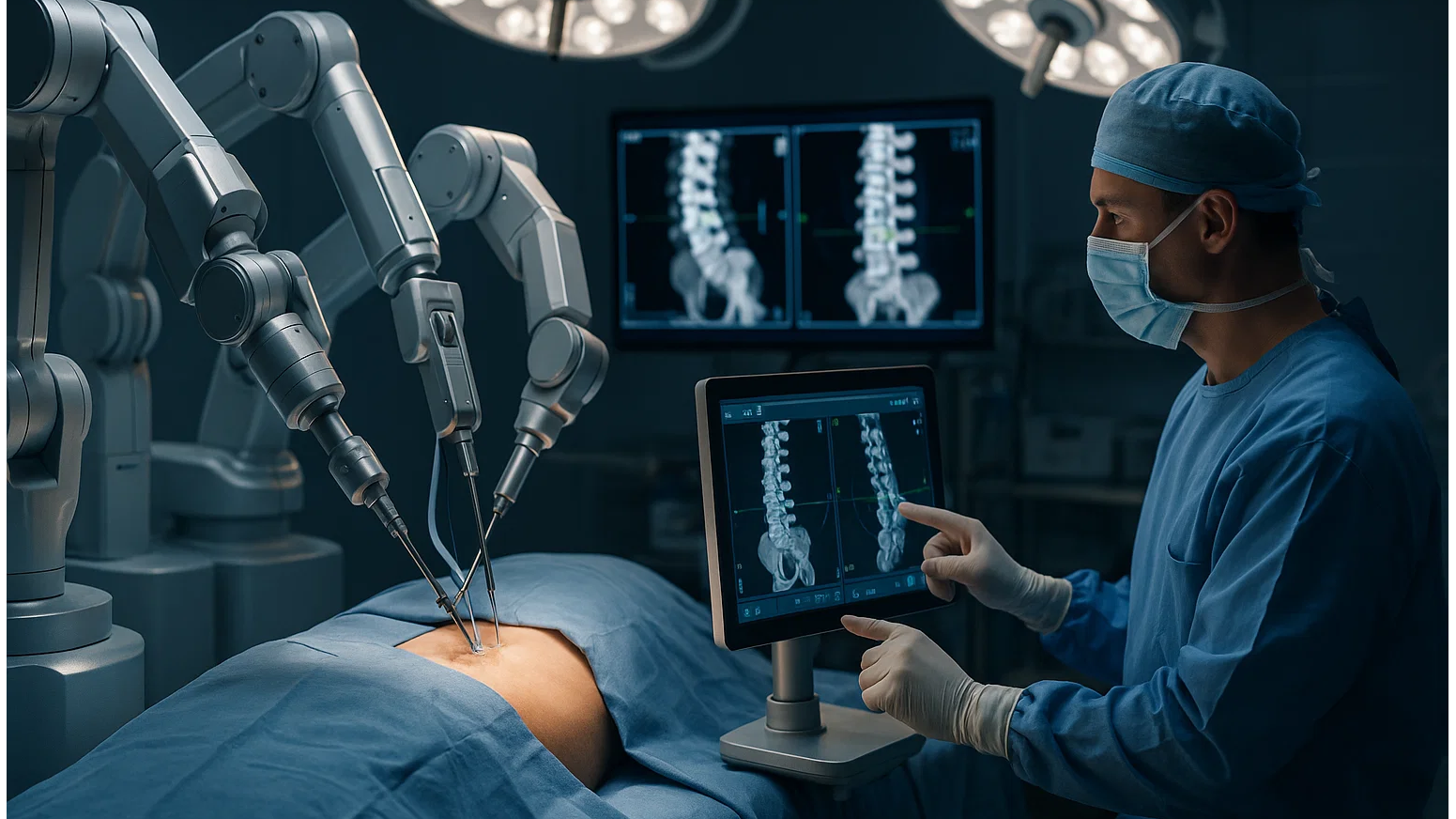
Chronic back and neck pain affects millions of Americans, often leading to difficult decisions about surgical intervention. Modern non-invasive spine surgery has revolutionized treatment options, offering hope for those who previously faced only traditional open surgery with its lengthy recovery periods and significant tissue damage.
Minimally invasive spine surgery (MISS) can achieve success rates of 90% or higher for certain procedures, matching the effectiveness of traditional open surgery while delivering superior patient outcomes. While MISS is often perceived as superior to traditional open spine surgery, the highest levels of evidence do not support MIS over open surgery for cervical or lumbar disc herniation. The key difference lies in the approach: instead of large incisions that cut through muscles and ligaments, surgeons use specialized techniques that preserve healthy tissue.
Recovery time represents one of the most significant advantages. Where traditional spine surgery might require months of rehabilitation, patients undergoing minimally invasive procedures often experience dramatic improvements within weeks. The reduced operative trauma translates directly into less postoperative pain, lower infection risks, and shorter hospital stays.
Many patients find themselves surprised by how quickly they can return to normal activities. specializes in these advanced techniques, helping patients understand what realistic expectations look like for their specific conditions.
Traditional spine surgery often requires incisions several inches long, cutting through multiple layers of muscle and soft tissue. Modern minimally invasive techniques use incisions as small as half an inch, accessing the spine through natural openings between muscles rather than cutting through them.
This precision approach preserves the structural integrity of surrounding tissues. Muscles remain attached to the spine, maintaining their natural support function. Blood vessels stay intact, reducing bleeding and the need for transfusions. The result is significantly less trauma to the body overall.
Advanced imaging technology guides surgeons with real-time visualization during procedures. Fluoroscopy provides continuous X-ray imaging, allowing surgeons to see exactly where instruments are positioned relative to spinal structures.
This precision eliminates much of the guesswork associated with traditional surgery. Surgeons can navigate around critical nerves and blood vessels with millimeter accuracy, reducing the risk of complications while ensuring complete treatment of the problem area.
MISS is generally performed under general anesthesia or light sedation. Your anesthesia team will review all options with you. This approach reduces anesthesia-related risks and side effects compared to more extensive traditional procedures.
Patients typically experience less nausea, faster awakening, and clearer thinking immediately after surgery. Recovery room stays become shorter, and same-day discharge becomes possible for select procedures.
The initial recovery period focuses on allowing surgical sites to begin healing while maintaining basic mobility. Most patients can walk within hours of surgery, though activities remain limited to prevent strain on healing tissues.
Pain levels typically peak within the first 48-72 hours, then steadily decrease. Physical therapy often begins within days, focusing on gentle movements that promote circulation and prevent stiffness. Sleep positions may require adjustment, and lifting restrictions usually limit objects to 5-10 pounds.
Office workers frequently return to desk jobs within 4-6 weeks, provided their work doesn't involve heavy lifting or prolonged standing. The timeline depends heavily on the specific procedure performed and individual healing rates.
As a general rule, most patients are permitted to drive 2-3 weeks following surgery. However, specific guidelines will be based on the type of surgery you have and the outcome of the procedure. Physical therapy intensifies during this period, adding strengthening exercises to the rehabilitation program.
Complete healing occurs over 3-6 months, with individual factors significantly influencing the timeline. Age, overall health, smoking status, and adherence to post-operative instructions all impact recovery speed.
Younger patients with good baseline fitness typically recover faster than older adults with multiple health conditions. Smokers face delayed healing due to reduced blood flow to surgical sites. Patients who follow activity restrictions and attend physical therapy sessions consistently see better outcomes.
Despite being less invasive, these procedures still carry surgical risks that patients should understand. Bleeding, though reduced compared to open surgery, can still occur. Blood clots may form, particularly in patients with limited mobility during early recovery.
Infection remains a concern, though rates are significantly lower with smaller incisions. Nerve damage represents a rare but serious risk, potentially causing numbness, weakness, or chronic pain. Spinal fluid leaks can occur if the protective covering around nerves is accidentally punctured.
The surgeon's experience with minimally invasive techniques directly impacts complication rates and outcomes. These procedures require specialized training and significant experience to master the precise movements needed in confined spaces.
Board certification in orthopedic surgery or neurosurgery provides baseline qualifications, but additional fellowship training in minimally invasive spine surgery indicates advanced experience. Patient outcomes improve dramatically when surgeons regularly perform these specific procedures rather than occasionally attempting them.
Epidural steroid injections deliver anti-inflammatory medication directly to irritated nerve roots, often providing months of pain relief without surgery. The procedure takes 15-30 minutes in an outpatient setting with minimal recovery time.
Success rates vary depending on the specific condition, but many patients experience 50-80% pain reduction lasting 3-6 months. Injections can be repeated if beneficial, and some patients find them sufficient to avoid surgery entirely.
Stem cell therapy represents an emerging alternative using the patient's own stem cells to reduce inflammation and repair damaged cartilage. The treatment involves harvesting stem cells from bone marrow or fat tissue, then injecting them into damaged spinal areas.
Research continues into optimal techniques and patient selection criteria. Early results show promise for disc degeneration and inflammatory conditions, though long-term outcomes remain under study. Stem cell therapies are still considered investigational; long-term outcomes are being studied
Artificial disc replacement preserves spinal motion while eliminating pain from damaged discs. Unlike spinal fusion, which eliminates movement between vertebrae, disc replacement maintains normal spine mechanics.
Candidates must meet specific criteria including good bone quality, minimal arthritis, and appropriate disc height. The procedure works best for single-level disc problems in younger patients with active lifestyles.
Microdiscectomy procedures typically cost $15,000-$35,000, making them among the more affordable spine surgery options. These relatively simple procedures remove herniated disc material pressing on nerves, often resolving leg pain and numbness.
Spinal fusion procedures range from $60,000-$110,000 due to their complexity and the need for specialized hardware. Multiple-level fusions, revision surgeries, and procedures requiring bone grafting push costs toward the higher end of this range.
Geographic location significantly impacts surgical costs, with procedures in major metropolitan areas typically costing more than those in smaller cities. Hospital choice also matters, as academic medical centers and specialty spine hospitals often charge premium rates.
Surgeon fees, anesthesia costs, and post-operative care all vary by region and facility. Insurance coverage plays a crucial role in out-of-pocket expenses, with some plans covering minimally invasive procedures more favorably than others.
Many minimally invasive spine procedures now allow same-day discharge, eliminating overnight hospital stays entirely. Microdiscectomy, laminectomy, and some fusion procedures can be performed in outpatient surgery centers with patients going home the same day.
Same-day discharge requires meeting specific criteria including stable vital signs, adequate pain control with oral medications, and the ability to walk independently. Patients need reliable transportation and someone to stay with them for the first 24 hours.
The convenience extends beyond just getting home sooner. Outpatient procedures often cost less, reduce infection risks associated with hospital stays, and allow recovery in familiar surroundings. However, not all procedures or patients are suitable for same-day discharge, particularly those with multiple medical conditions or complex surgical needs.
For evaluation of your spine condition and to learn more about minimally invasive surgical options, visit where experienced specialists help patients find the most appropriate treatment approach.


