Choosing between ribeye and filet mignon depends on whether you prioritize rich flavor or tender texture. Each cut offers distinct characteristics in marbling, taste, and price. Understanding these differences helps you order confidently and enjoy your steakhouse experience more fully.
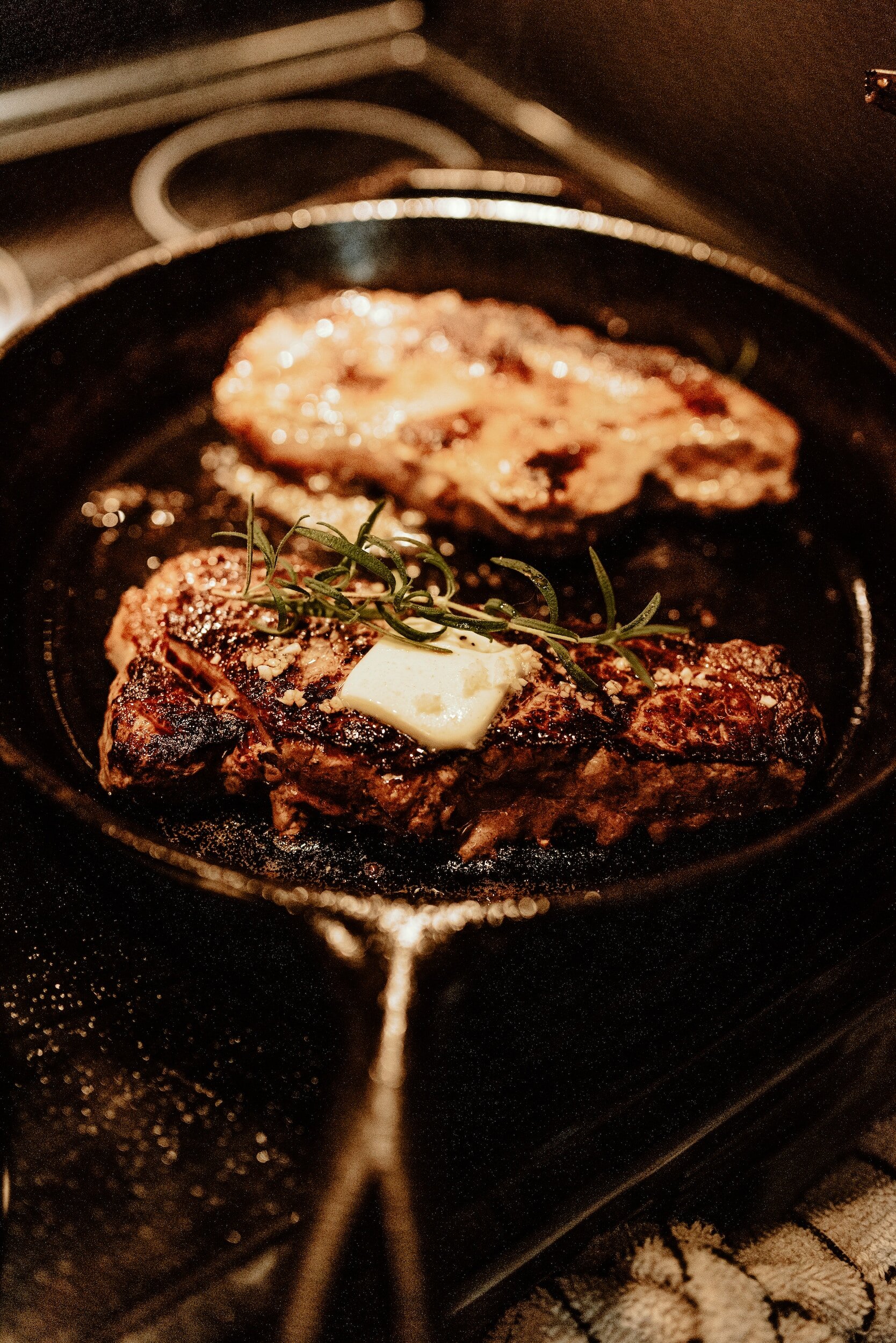
You sit down at a steakhouse ready to treat yourself, then the menu arrives and decision paralysis sets in. Ribeye or filet mignon? Both sound delicious, yet they command different prices and come with varying descriptions. How do you choose?
The answer depends on what you value most in a steak experience—bold flavor or melt-in-your-mouth texture. Neither choice is wrong, but understanding what makes each cut distinct helps you order with confidence instead of second-guessing yourself all evening.
Before you can choose wisely, you need to know what separates these popular options beyond their names and price tags.
Ribeye comes from the rib section of the cow, specifically between ribs six and twelve. This area gets less exercise than other parts, resulting in tender meat with extensive marbling throughout. Those white streaks of intramuscular fat create the ribeye's signature characteristic—intense beef flavor that develops during cooking.
The fat content means ribeye delivers a richer, juicier eating experience than leaner cuts. When cooked properly, that marbling melts and bastes the meat from within. You taste the full spectrum of what beef can offer, which is why ribeye enthusiasts often claim other cuts pale in comparison.
Filet mignon comes from the tenderloin, a muscle that runs along the spine and does minimal work during the animal's life. This lack of exercise creates the most tender cut available on a cow—meat so soft you barely need a knife. The trade-off? Significantly less marbling means milder beef flavor compared to fattier cuts.
Filet mignon appeals to diners who prioritize texture over taste intensity. The buttery tenderness creates a refined eating experience that feels luxurious. Many people also prefer filet because it lacks the visible fat that makes some diners uncomfortable.
Several factors should influence which cut you order, and personal preference sits at the top of that list.
Ask yourself what you remember most from great steak experiences—was it the robust, meaty taste or the effortless way it melted on your tongue? If flavor dominates your food memories, ribeye likely suits you better. If texture matters most, filet mignon delivers.
Some diners want both qualities and feel frustrated by the choice. Unfortunately, biology prevents any single cut from maximizing both characteristics. Tender muscles develop less flavor, while flavorful cuts require more marbling that changes texture.
Filet mignon typically costs more per ounce than ribeye despite having less marbling. This price difference reflects scarcity rather than quality—each cow produces far less tenderloin than rib meat. Supply and demand economics drive filet prices higher even though many chefs privately prefer ribeye's flavor profile.
Your budget might make the decision for you. Ribeye offers excellent value because you get bold taste without the premium pricing. However, if you're celebrating something special and money isn't the primary concern, trying filet mignon's unique texture might be worth the investment.
Different cuts respond differently to cooking techniques, and quality restaurants understand these nuances. Ribeye's fat content makes it more forgiving—even if cooked slightly past your requested temperature, the marbling keeps it juicy. Filet mignon requires more precision because overcooking turns its lean meat dry and disappointing.
The best temperature for each cut varies too. Ribeye shines at medium-rare to medium, allowing fat to render while keeping the meat juicy. Filet mignon works well from rare to medium-rare, preserving its tenderness before the lack of fat becomes problematic.
Ordering steak seems straightforward until you make choices that diminish your experience.
One Massachusetts chef spent twenty years working in restaurants before opening his own steakhouse, and that background shaped how he approaches beef selection and preparation. His farm-to-table philosophy means sourcing matters as much as the cut itself. Every ingredient receives attention because quality ingredients need less manipulation to impress.
The restaurant opened in Spring 2024 with a clear focus on doing steakhouse fundamentals exceptionally well. By working directly with suppliers and maintaining strict standards, the kitchen can showcase what ribeye and filet mignon taste like when properly sourced and prepared. The approach resonated with diners enough that a second location followed, proving that attention to detail and quality ingredients matter more than gimmicks.
Beyond the ribeye versus filet decision, other elements affect your overall satisfaction.
Accompaniments Matter: Sides should complement rather than compete with your steak. Rich cuts like ribeye pair well with lighter vegetables, while milder filet mignon can handle more flavorful accompaniments.
Portion Size: Ribeye typically comes in larger portions because its richness makes smaller servings satisfying. Filet mignon often appears as smaller medallions since the tenderness allows you to appreciate less meat more fully.
Shared Experience: If dining with others, consider ordering different cuts and sharing tastes. This lets you experience both options without committing fully to either, which is especially helpful if you've never tried one of the cuts before.
Here's a secret many steak enthusiasts eventually learn—you don't need to choose one cut forever. Your preference might change based on mood, occasion, or who's paying. Some nights you want ribeye's bold flavor, while other times filet mignon's elegance feels right.
The goal isn't finding the objectively "better" cut because that doesn't exist. Instead, understand what each option delivers and match that to what you want from tonight's meal. Both cuts have earned their place on steakhouse menus for good reasons.
Next time you face the ribeye versus filet mignon decision, you'll know exactly what you're choosing and why. That confidence transforms ordering from a stressful guessing game into an informed decision that enhances your dining experience.
Neither cut qualifies as particularly healthy since both are red meat with significant calorie content. However, filet mignon contains less total fat and fewer calories per ounce due to minimal marbling. Ribeye has more saturated fat from marbling but also delivers more flavor per bite, potentially allowing you to feel satisfied with a smaller portion. If you're monitoring fat intake strictly, filet mignon edges ahead, though both should be occasional indulgences rather than dietary staples.
Price reflects scarcity rather than flavor superiority. Each cow produces only a small amount of tenderloin compared to rib sections, making filet mignon rarer. Additionally, filet mignon has become associated with fine dining and special occasions, allowing restaurants to charge premium prices regardless of actual production costs. Market perception and limited supply drive filet pricing higher even though many chefs privately prefer ribeye's flavor profile and find it more versatile in the kitchen.
Look for several indicators of quality sourcing practices. The menu should specify beef grades or mention farm partnerships rather than using generic descriptions. Servers at quality establishments can answer questions about where beef comes from and how it's aged. Seasonal menu changes suggest the restaurant adapts to ingredient availability rather than relying on frozen products year-round. Online reviews mentioning consistency in steak quality indicate reliable sourcing relationships rather than fluctuating suppliers.
Look for steakhouses opened by chefs with extensive industry backgrounds who emphasize quality sourcing and ingredient attention. Massachusetts has several examples of restaurants where experienced professionals apply decades of knowledge to steakhouse fundamentals. Research establishments that clearly articulate their farm-to-table philosophy and have earned recognition shortly after opening, as this suggests strong execution of clear quality principles.


