Confused about retaining wall types? This guide breaks down the main designs, materials, and engineering considerations, with insight from NC contractors on how to choose the right wall for your site and avoid common failures.
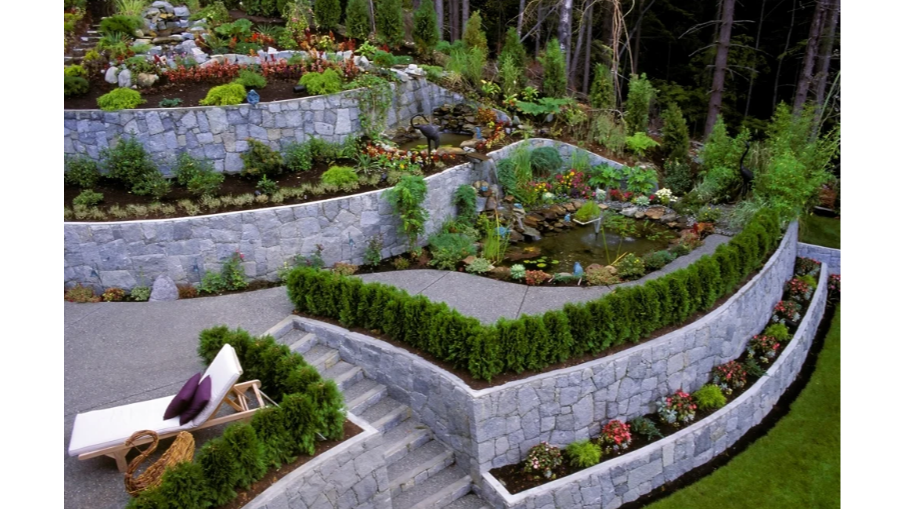
Retaining walls do more than shape a yard—they hold back tons of soil, redirect water, and protect properties from erosion. But choosing the wrong type of wall (or building one without understanding the engineering behind it) is one of the most common reasons homeowners end up dealing with bulging blocks, leaning structures, and costly repairs.
Charlotte-based contractors at Main Street Retaining Walls say that most issues come down to one thing: not knowing how different retaining wall designs actually work. This guide breaks down the main wall types, materials, and critical considerations so property owners can make informed decisions before construction begins.
It's easy to look at a retaining wall and think of it as a decorative feature. In reality, it's a structural system designed to resist lateral soil pressure, manage water, and remain stable through seasonal changes in moisture and temperature.
Contractors often encounter failures caused by:
A well-designed wall protects the property. A poorly designed one becomes a liability. Understanding the major wall categories is the first step.
Gravity walls rely on sheer mass. Their own weight counters the pressure of the soil behind them, making them straightforward and effective for smaller applications.
Cantilever walls use reinforced concrete shaped like an L or inverted T to hold back soil. The weight of the backfill on the base adds stability.
When space is limited or the soil is too soft for other systems, sheet pile walls come into play.
Anchored walls use tiebacks—high-strength steel cables or rods drilled deep into the soil or rock behind the wall.
These walls create a composite structure using reinforced soil layers.
Local contractors repeatedly highlight the same essential points:
Hydrostatic pressure is the #1 cause of failure. Proper drainage requires:
A precise trench depth, compacted base, and correct leveling prevent bulging and movement.
Taller walls require engineering, reinforcement (like geogrids), and often permits.
Walls above 3-4 feet often need engineered drawings and municipal approval. Non-compliance can lead to fines or forced removal.
Clay, sand, slopes, frost depth, rainfall, and surcharge loads all influence which wall type is safe.
Small walls may be manageable. Moderate or tall walls require professional design and construction.
Most walls need a small setback (about 1" per 12" of height) for stability.
Wood may look good, but rots quickly in wet climates. Concrete may be plain, but handles pressure and moisture better.
Heavy materials and machinery need enough space to enter the site.
These insights help homeowners have more productive conversations with contractors and avoid expensive issues later.
Working with a contractor familiar with specific local terrain and climate offers advantages that go far beyond convenience.
Local professionals understand:
Professionals say that regional knowledge often makes the difference between a wall that lasts decades—and one that starts failing within a season.
A well-designed retaining wall does more than hold back soil—it protects your property, manages water, and enhances long-term stability. If you're planning a project in North Carolina and want guidance on choosing the right design for your site, consulting experienced local contractors such as the team at Main Street Retaining Walls can help you understand your options and ensure your wall is built for your specific conditions.


