A decorative concrete specialist shares practical ways to refresh driveways, patios, and pool decks without removing the concrete — explaining polymer overlays and offering tips on timing, prep, finishes, and care.
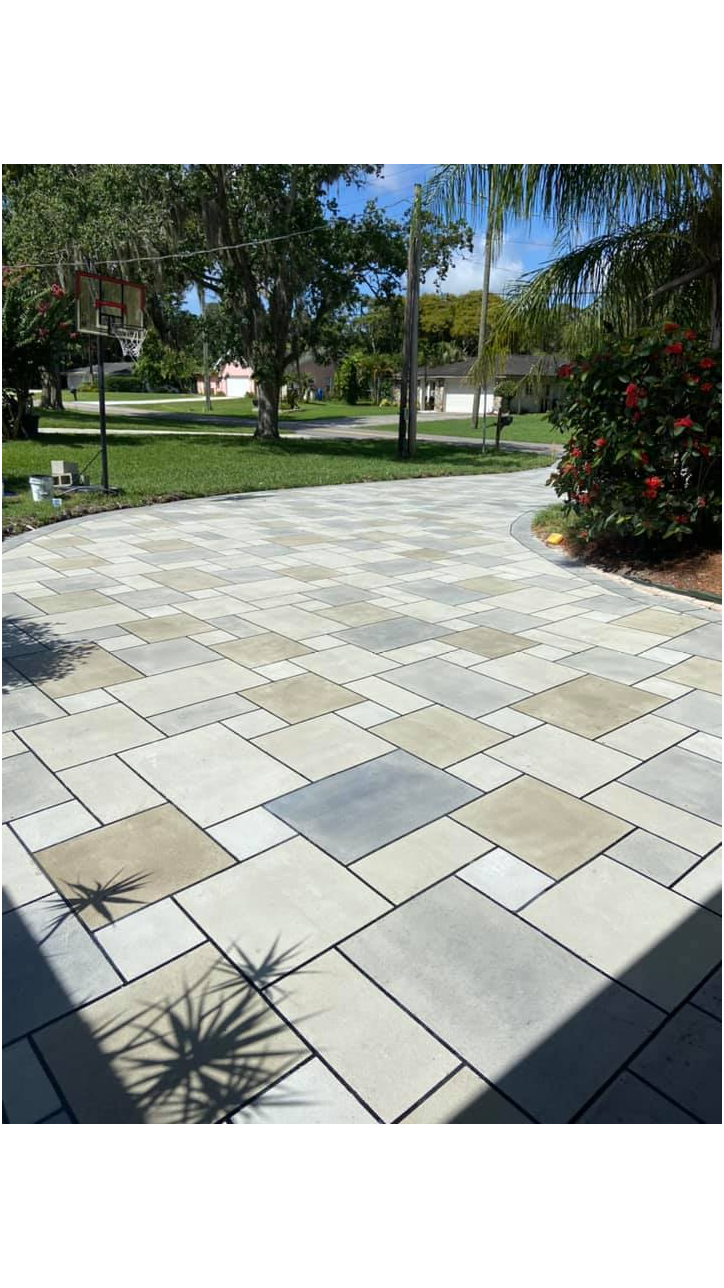
Old concrete often looks worse than it performs, and that matters when costs and disruption add up fast. Resurfacing builds a new wear layer on a sound slab, restoring appearance and function without the weeks of demolition and curing usually involved in a full pour.
Polymer overlays turn worn driveways, patios, and pool decks into cohesive, low-maintenance surfaces. As such, experts recommend decorative concrete resurfacing as a viable alternative to a full re-pour in many residential settings.
Concrete reaches most of its design strength at around 28 days, so full replacement keeps areas offline longer than many overlays. Thin polymer-modified toppings are typically measured in fractions of an inch and are formulated to bond tightly to prepared concrete with primers and resins.
Good prep is the difference between a short-term patch and a long-term finish, and it starts with a moisture check and crack repair. Clean, profiled concrete helps primers and resins wet out the surface, locking the new layer to the old and supporting a uniform, durable thickness.
Homeowners usually choose from broom, knockdown, slate, stone, or wood-look textures that add grip and visual interest. Lighter color systems can also temper sun exposure on pool decks and south-facing patios, helping surfaces feel cooler underfoot on hot days and bright afternoons.
"Think of it as a new skin for concrete," specialists say, emphasizing technique more than brand names or buzzwords. Consistent thickness, control-joint treatment, and topcoat selection influence how well a finish handles UV, water, and foot traffic over time in the Southeast Texas climate.
Experts advise homeowners to plan their projects when dry weather allows for prep, install, and sealer cure, and keep vehicles off new coatings as directed. They are also recommended to compare overlay and replacement scopes side by side and ask for itemized prep, repair, finish, and maintenance details in writing from bidders.
Finally, they can keep the finish looking sharp with routine cleaning and periodic resealing based on exposure and traffic, not the calendar alone. Those planning a polymer-based concrete coating should focus on prep quality, product compatibility, and realistic performance expectations.


