A clear guide to deciding whether to repair or replace a malfunctioning appliance. Learn how technicians diagnose issues, what drives costs, and how to make a practical choice.
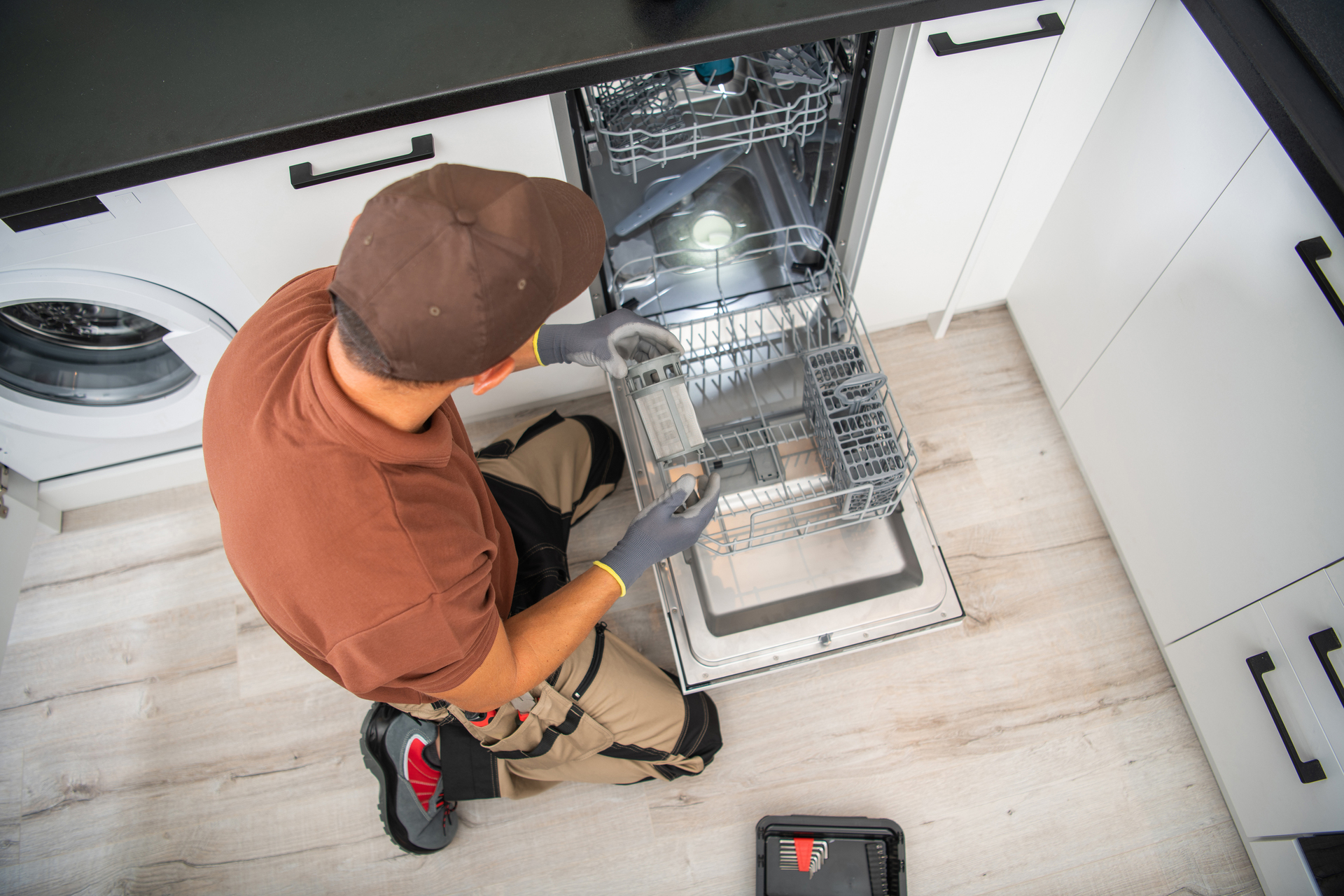
So you're wondering whether to repair or replace your malfunctioning appliance? Many homeowners face the same dilemma, especially as modern appliances become more complex and more expensive to diagnose. New Jersey-based Expert Appliance Center explains that the right choice depends on a mix of cost, age, and long-term reliability.
A dishwasher that runs too long or makes unusual sounds could be dealing with issues involving its pump, drain line, sensors, heating element, or internal motor. A refrigerator that isn’t cooling properly may be suffering from anything from clogged coils to a failing compressor. Without proper tools and testing, the cause is not always obvious.
That’s why technicians start with a full diagnostic check rather than assumptions. They examine electrical components, test individual parts, look for blockages, and evaluate wear across the unit. A proper diagnosis reveals whether the appliance has a simple, affordable issue or if the damage reaches deeper into the system — a distinction that plays a major role in deciding whether repair or replacement is the smarter move.
Expert Appliance Center says that repairing the appliance is often the best option when the problem is isolated to a single component, the unit is still within its typical lifespan, and replacement parts are affordable and easy to source. For many dishwashers, refrigerators, and washing machines, issues such as worn gaskets, clogged filters, faulty sensors, or minor electrical faults fall into this category.
In these cases, a relatively quick fix can restore the appliance to full performance. Same-day repairs are common for many models, minimizing the inconvenience of being without a critical household device.
Replacement becomes more practical when repair costs approach a significant percentage of the appliance’s value or when multiple components start to fail at the same time. If the unit is already several years beyond its expected lifespan, repair can be short-lived — a temporary extension that may be followed by additional issues.
Large-scale failures involving compressors, motors, or control boards can also shift the calculation toward replacement, especially if the same appliance has been repaired multiple times. Another factor is parts availability. Some older units require components that are difficult to source or that no longer meet manufacturer standards, making repair more expensive or less reliable.
Some appliance problems should be addressed right away because delays can lead to further damage. A fridge that isn’t cooling can quickly cause food spoilage. A dishwasher leaking onto the floor can damage cabinets and flooring. A dryer that overheats may pose electrical or fire risks. Even small appliances can cause circuit issues if they malfunction while running.
This urgency is why same-day repairs are common. In many cases, waiting a few days or weeks can create more cost and complexity than the repair itself.
Evaluating “value over time” helps clarify whether a repair or replacement offers better overall savings. A relatively inexpensive repair may extend the appliance’s life by several years, making it more cost-effective than purchasing new. On the other hand, a high-cost repair on a unit nearing the end of its lifespan rarely offers good long-term value.
Homeowners get the clearest perspective when they weigh the expected remaining life of the appliance against the immediate repair cost and future risk of breakdowns.
Different brands have different track records when it comes to part availability and long-term reliability. Some manufacturers keep replacement parts in circulation for decades, while others discontinue components after only a few years. This availability can influence both repair cost and turnaround time.
Installation also plays a role. Even high-quality appliances suffer premature issues when improperly installed. Correct leveling, stable electrical connections, proper ventilation, and secure water lines are essential for the appliance’s performance and lifespan. When replacing a unit, proper installation ensures the new appliance works as intended from day one.
So, deciding between repairing or replacing an appliance becomes much easier when homeowners understand how technicians diagnose issues and what factors truly influence long-term value. The right call depends on the cost of the repair, the age and condition of the appliance, the availability of parts, and how much life the unit realistically has left.
A clear diagnosis makes the decision more straightforward. And whether the solution is a simple repair or a full replacement, informed choices lead to better outcomes and fewer unexpected expenses.


