Homeowners are throwing away hundreds of dollars every year without realizing it—and the problem isn’t the thermostat or old appliances. The real culprit is hiding in the walls. Find out the one quick HVAC fix and how to keep it affordable.
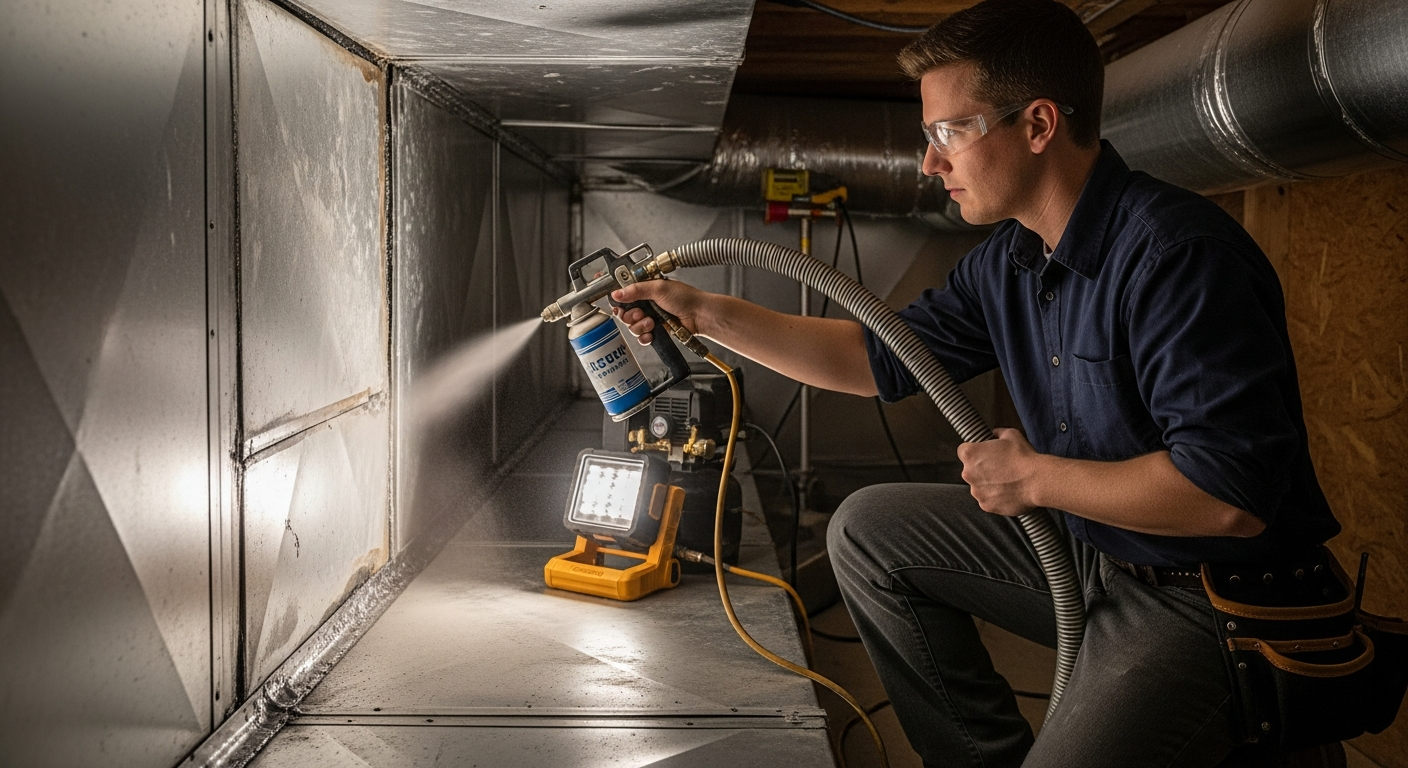
Many households experience rising energy costs despite efforts to conserve power through thermostat adjustments or appliance upgrades. In many cases, the underlying issue is not how energy is used but how much is lost before it reaches living spaces. Ductwork concealed behind walls and ceilings often leaks conditioned air, reducing system efficiency and increasing monthly utility bills.
According to the U.S. Department of Energy, residential duct systems commonly lose between 20 and 30 percent of the air moving through them due to disconnected joints, aging seals, and small gaps. When this air escapes into unconditioned areas, heating and cooling systems must compensate by running longer cycles, consuming more energy without improving comfort.
The savings are clear, but recently published data shows that many homeowners are still put off by upfront costs. However, there are ways to recoup some of the initial investment and see more savings over time.
Duct leakage has a direct, measurable effect on household energy costs. Studies show that unsealed duct systems can add hundreds of dollars per year to utility costs. For many homes, addressing duct leakage results in annual savings of approximately $200 to $400, depending on system condition and home size.
These savings accumulate over time, making duct sealing one of the more cost-effective efficiency improvements available. Unlike appliance upgrades that may take years to offset their cost, duct sealing often begins delivering financial returns within a relatively short period.
Advances in duct sealing technology have improved both effectiveness and verification. Internal aerosol-based sealing methods allow leaks to be sealed from within the duct system, including areas that are otherwise inaccessible. Independent testing has demonstrated that this approach can reduce total duct leakage by up to 90 percent.
When duct systems are properly sealed:
Utility studies have linked professional duct sealing to heating and cooling cost reductions of up to 30 percent in homes with significant leakage.
To encourage energy efficiency, many utility providers and regional energy programs offer financial incentives for professional duct sealing. These incentives are designed to reduce upfront costs and accelerate homeowners' returns on investment.
Available programs may include:
When combined with lower monthly utility bills, these programs can make duct sealing financially accessible and, in some cases, cash-flow positive within the first year.
HVAC specialists at Engle Services advise that sealing ductwork can also reduce indirect household expenses. Efficient airflow reduces wear on HVAC components, lowering the likelihood of premature repairs or system replacement. Balanced airflow can also minimize temperature inconsistencies, helping homeowners avoid overusing heating or cooling in certain areas of the home.
As energy costs continue to fluctuate, efficiency improvements that permanently reduce consumption are increasingly valuable to homeowners. Addressing duct leakage offers a practical way to reduce monthly bills, take advantage of available rebates, and protect long-term household budgets by improving system performance.


