Discover why regular puppy walks support healthy growth, prevent behavior problems, improve sleep, build social skills, and how professional walkers help.
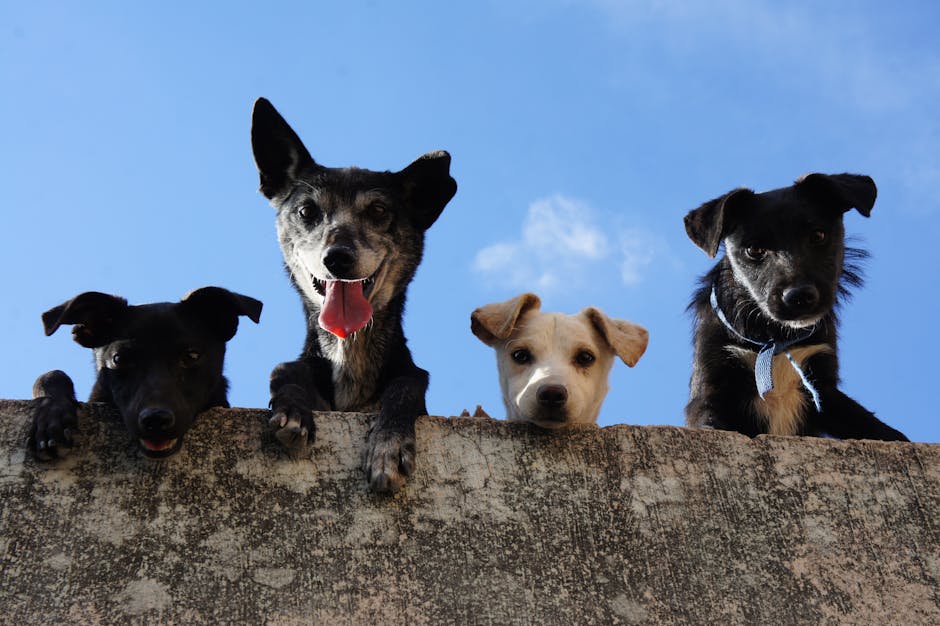
Puppies with endless energy might look like they’re getting enough activity indoors, but structured outdoor walks matter more than most owners realize. Many pet owners don’t realize how much daily movement their growing puppies actually need to stay healthy. Professional dog walkers help fill that gap when work schedules or training challenges make regular walks difficult, the experts at Peak City Puppy explain.
Here’s what the research shows about why consistent walks matter so much for your puppy’s development.
Young dogs need regular outdoor activity to build strong bones, healthy muscles, and a solid cardiovascular system during their fastest growth periods. Walking helps puppies stay at a healthy weight, which vets say prevents diabetes, heart disease, and joint problems down the road. This low-impact exercise keeps developing joints flexible and lowers the chances of arthritis showing up as your dog gets older.
Your puppy’s heart gets stronger with every walk, and the improved blood flow supports healthy organs and builds stamina for their adult years. Dogs that walk consistently as puppies develop better circulation compared to those that spend most of their time lounging around the house.
Bored puppies often turn into destructive puppies, and that’s when you’ll see them chewing furniture, digging holes, or barking nonstop at everything. Walks give young dogs fresh sights, sounds, and smells that keep their brains busy processing new information instead of looking for trouble at home. The mental workout matters just as much as burning off physical energy when it comes to raising a calm, well-behaved dog.
Puppies without regular outdoor time often develop anxiety that shows up as separation problems, fear of loud noises, or nervous reactions to routine changes. A predictable walking schedule helps your puppy feel secure and cuts down on stress-related behaviors as they grow up.
Puppies only have a short window to learn proper interactions with other dogs, strangers, and different environments before those lessons become much harder to teach. Walking teaches young dogs to handle various surfaces, stay calm around new people, and behave politely when they meet other animals on the street. Missing this early socialization often creates dogs that struggle with fear or aggression in social situations for the rest of their lives.
Experienced walkers who understand dog body language introduce puppies to new experiences at the right pace, making sure each encounter builds confidence instead of creating fear. This careful approach helps puppies mature into relaxed adult dogs that can handle different situations without getting anxious or reactive.
Dogs do best with consistent schedules, and puppies especially need to know what’s happening each day to feel safe and settled. Regular walks at the same time give your puppy structure that reduces general nervousness and cuts down on annoying attention-seeking behaviors around the house. Families that stick to predictable walk times usually notice their puppies calm down faster and cause less chaos throughout the day.
Physical activity directly affects how well growing dogs sleep each night, and puppies that get enough exercise fall asleep quickly and stay asleep longer. Better sleep helps puppies grow properly and gives them the energy they need to learn new things when they’re awake during the day.
Finding the right person to walk your puppy requires checking a few important factors that affect both safety and how well your dog develops:
Leash pulling tops the list of frustrating issues owners deal with when walking energetic puppies, but harnesses designed to discourage pulling give better control than regular collars. These harnesses protect developing necks from strain while training techniques that reward calm behavior gradually teach puppies to walk nicely without constant tugging.
Some puppies act fearful or overly excited around other dogs and unfamiliar people during walks, creating stressful situations for everyone involved. Professional walkers trained in behavior work can address these reactions through gradual exposure and positive rewards rather than letting bad patterns become permanent habits.
Weather creates special challenges with puppies since their smaller bodies make them more sensitive to heat and cold than full-grown dogs. Hot sidewalks can burn tender paw pads, while freezing temperatures might need protective booties or shorter outdoor time to keep your puppy safe and comfortable.
Adult dogs that walked regularly as puppies typically maintain healthier weights, show better social skills, and have fewer behavior problems than dogs with spotty exercise routines. The habits you establish during puppyhood stick around for your dog’s entire life, making early consistency incredibly valuable for long-term health.
Owners struggling with daily walks due to busy schedules or physical limits often discover that working with professional dog walkers solves the problem without sacrificing their puppy’s developmental needs.


