Most dog owners wait until their pet is already lunging and barking to intervene, but kennel professionals know the subtle warning signs that predict reactive episodes. The difference between fear-based and frustration-based reactivity completely changes which training methods will actually work.
Key Takeaways:
Working with aggressive and reactive dogs day in and day out gives kennel professionals a unique perspective that most pet owners never develop. These insights, born from managing dozens of challenging cases simultaneously, reveal approaches that go far beyond basic obedience training.
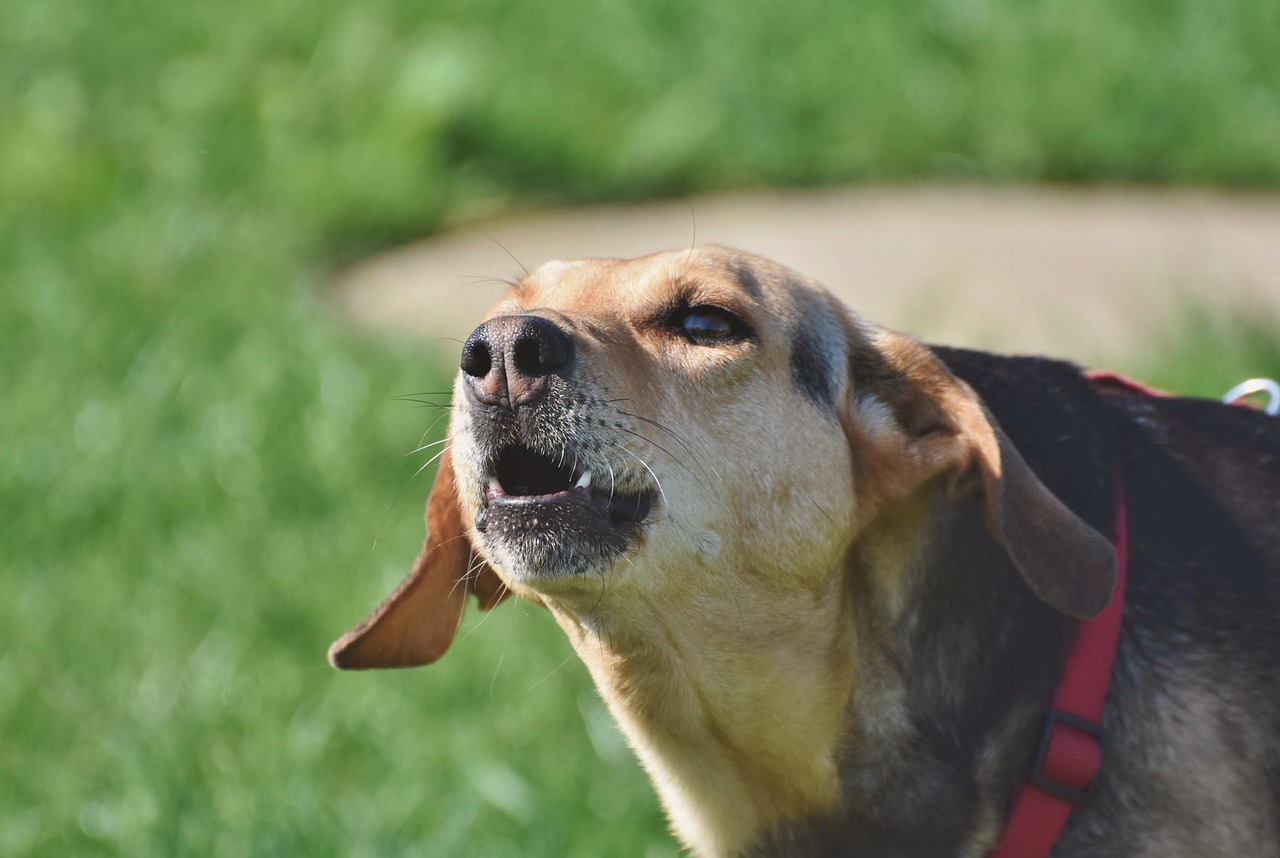
The biggest skill for kennel professionals is recognizing reactive behavior long before it escalates into full-blown episodes. Most dog owners wait until their pet is already barking, lunging, or growling to intervene. Kennel staff learn to read the subtle precursors - the slight stiffening of muscles, the brief pause in breathing, the micro-expressions that signal mounting stress.
This early detection ability comes from observing hundreds of dogs in various states of arousal throughout the day. Belle Aire Kennels, which has developed systematic observation protocols that help their staff identify these warning signs before reactive episodes begin, says that successful professional kennel environments demand this level of awareness for safety and efficiency of both animals and their humans.
Another critical observation involves the role of environmental predictability in managing reactive behaviors. Kennel professionals notice that dogs with the most severe reactivity often improve dramatically when placed in highly structured, predictable environments. This isn't about strict discipline - it's about creating a framework where anxious dogs can anticipate what happens next, reducing the underlying stress that fuels reactive responses.
Understanding whether a dog's reactivity stems from fear or frustration completely changes the training approach. This distinction, often missed by well-meaning owners, determines whether management strategies will succeed or backfire spectacularly.
Fear-reactive dogs display distinct physical signals that trained professionals learn to recognize instantly. These dogs typically show tucked tails, lowered body postures, and what professionals call "whale eye" - showing the whites of their eyes while keeping their head turned away from the trigger. Their ears often pin back against their head, and they may exhibit trembling or excessive panting even in cool temperatures.
The breathing pattern of fear-reactive dogs changes noticeably. They tend to hold their breath momentarily when spotting triggers, then shift to rapid, shallow breathing. Their muscles become rigid, creating a "frozen" appearance before the explosive reactive behavior begins. Professional handlers notice these dogs often try to increase distance from triggers by backing away, hiding behind objects, or attempting to flee.
Frustration-reactive dogs present entirely different body language that signals blocked desire rather than fear. These dogs typically maintain forward-leaning postures, with tails held high and often wagging in quick, tight movements. Their ears stay upright and alert, focused intently on the trigger object or situation.
The key indicator of frustration reactivity is the dog's clear desire to move toward the trigger while being physically prevented from doing so. These dogs often exhibit bouncing behaviors, repeated attempts to pull forward, and vocalizations that sound more demanding than fearful. Their muscles remain loose and energetic rather than rigid and frozen. Kennel professionals observe that these dogs often redirect their energy into spinning, jumping, or other displacement behaviors when blocked from reaching their target.
The training methods that help fear-reactive dogs can actually worsen frustration-reactive dogs, and vice versa. Fear-reactive dogs need increased distance from triggers and stress reduction techniques. Attempting to "socialize" them through exposure often increases their anxiety and strengthens the reactive response.
Frustration-reactive dogs require impulse control training and structured interaction opportunities. Simply avoiding triggers doesn't address their underlying need for engagement and can increase their frustration levels. Kennel professionals see this misidentification regularly when dogs arrive with histories of failed training attempts. The wrong approach not only wastes time but can also intensify the problematic behaviors.
Prevention-focused management represents the cornerstone of professional kennel reactive dog protocols. Rather than waiting to correct reactive behavior after it occurs, experienced handlers create environments and systems that prevent these episodes from developing in the first place.
Professional kennels employ sophisticated environmental management that goes beyond simple trigger avoidance. Visual barriers serve as the first line of defense - strategically placed panels, vegetation, or structural elements that block sight lines to common triggers like other dogs, people, or moving vehicles.
Sound management requires equal attention. White noise machines, calming music, and sound-dampening materials help mask auditory triggers that can set off reactive episodes. Many kennel facilities use specific acoustic treatments in their reactive dog areas, understanding that even minor sounds can trigger anxious responses in sensitive animals.
Scent management often gets overlooked by pet owners, but it plays a significant role in professional settings. Cleaning protocols remove stress pheromones from previous occupants, while calming pheromone diffusers create more relaxing environments. Kennel professionals also manage human scent transfer, understanding that dogs can pick up anxiety or excitement from handlers' emotional states through chemical signals.
The three-second rule revolutionizes how reactive dogs interact with triggers, particularly other dogs or unfamiliar people. This technique allows brief, controlled exposure that provides information without overwhelming the reactive dog's threshold tolerance.
During these three-second interactions, handlers watch for specific body language indicators that signal comfort or stress. Loose, wiggly body movements and soft facial expressions indicate positive responses, while stiffening, staring, or raised hackles suggest the interaction should end immediately. Professional handlers count "one elephant, two elephants, three elephants" to ensure consistent timing.
The key to success lies in ending the interaction while the dog still feels successful and calm. Many owners make the mistake of extending positive interactions, inadvertently pushing their dog over threshold. Kennel professionals understand that multiple brief, positive experiences build confidence more effectively than fewer, longer interactions that might end badly.
Understanding and manipulating a reactive dog's threshold distance represents advanced management that separates professional handlers from amateur approaches. Each dog has a specific distance from triggers where they can observe without becoming reactive. Professional facilities map these distances for individual dogs and adjust their management accordingly.
Barrier management involves more than physical obstacles. Handlers use their own bodies as moving barriers, positioning themselves between reactive dogs and triggers while maintaining calm, confident energy. This technique, called "splitting," helps dogs feel protected while gradually building confidence around challenging stimuli.
Threshold control also involves recognizing when environmental factors lower a dog's tolerance. Factors like weather changes, recent stress, illness, or even time of day can affect how close a dog can get to triggers while staying under threshold. Professional handlers adjust their management strategies based on these daily variables.
Counterconditioning represents the gold standard for creating lasting change in reactive dogs. This technique works at the neurological level, literally rewiring the dog's emotional response to triggers through carefully orchestrated positive associations.
The success of counterconditioning hinges on precise timing that most pet owners struggle to achieve without professional guidance. The positive stimulus (typically high-value food) must appear at the exact moment the dog notices the trigger, not before or after. Early timing teaches dogs that good things predict scary things, while late timing fails to create the necessary association.
Professional handlers develop split-second timing through extensive practice and observation. They learn to recognize the subtle moment when a dog first notices a trigger - often a slight ear prick, head turn, or change in breathing pattern. The treat delivery begins immediately upon this recognition, continuing throughout the trigger's presence.
The intensity and duration of the positive stimulus must match the trigger's impact. Mild triggers might require standard treats, while intense triggers demand jackpot rewards - multiple pieces of the dog's absolute favorite food delivered rapidly. Kennel professionals maintain detailed records of each dog's trigger hierarchy and corresponding reward levels.
Professional counterconditioning always begins at distances where dogs can notice triggers without becoming reactive. This sub-threshold work allows the learning process to occur without the stress hormones that interfere with new neural pathway formation. Starting too close creates stress that prevents the positive association from forming.
Distance work requires careful environmental control that many pet owners find challenging to achieve. Professional facilities can stage controlled exposures using staff members, other dogs, or environmental triggers at precisely measured distances. They gradually decrease distance only after dogs consistently show positive emotional responses at the current level.
The progression follows a specific pattern: relaxation and positive anticipation at the current distance, then a small decrease in distance while maintaining the positive response. Kennel professionals understand that this process cannot be rushed - attempting to progress too quickly often results in setbacks that require starting over at greater distances.
Addressing the underlying anxiety that fuels reactive behaviors requires detailed environmental and mental enrichment strategies that go far beyond basic exercise requirements.
Professional-grade enrichment activities serve dual purposes: providing mental stimulation and redirecting obsessive focus away from triggers. Scent work activities engage dogs' natural abilities while building confidence through successful completion of tasks. These activities create positive mental associations that help counteract anxiety-driven behaviors.
Puzzle feeders and food-dispensing toys transform meal times into extended mental challenges that exhaust anxious energy more effectively than physical exercise alone. Kennel professionals often observe that dogs who engage in regular mental stimulation show decreased reactivity to environmental triggers throughout the day.
Structured training sessions focused on building alternate behaviors provide reactive dogs with positive outlets for their energy. Teaching incompatible behaviors - like relaxed down-stays or focused attention work - gives dogs specific actions to perform when they encounter triggering situations, replacing reactive responses with trained alternatives.
Environmental predictability dramatically reduces stress levels in reactive dogs by eliminating the constant vigilance that exhausts their mental resources. Professional kennel environments maintain consistent daily routines, feeding schedules, and interaction patterns that help anxious dogs relax.
Physical space design plays a significant role in creating security. Reactive dogs benefit from designated safe spaces where they cannot be surprised or cornered by triggers. These areas typically feature solid walls on multiple sides, clear sight lines to exits, and comfortable resting surfaces that allow dogs to monitor their environment while feeling protected.
Consistent handler behavior provides another layer of predictability that reactive dogs desperately need. Professional staff maintain calm, confident energy regardless of external circumstances, serving as emotional anchors for anxious animals. This consistency helps reactive dogs learn to trust their environment and handlers over time.
The temptation to seek immediate solutions for reactive dog behaviors leads many owners to worsen the underlying problems. Professional kennel experience consistently demonstrates that systematic management approaches create more sustainable improvement.
Quick fixes typically involve suppressing reactive behaviors through punishment or intimidation without addressing the underlying emotional state that drives these responses. While these methods might temporarily reduce overt reactions, they often increase the dog's internal stress levels and can lead to more severe behavioral problems or redirection toward easier targets like family members.
Management-based approaches, however, focus on changing the dog's emotional experience rather than simply suppressing behavioral symptoms. This process requires patience and consistency but creates genuine improvement in the dog's quality of life. Professional handlers understand that true success means dogs who feel genuinely comfortable in previously challenging situations, not dogs who have simply been intimidated into hiding their distress.
The compound effect of consistent management becomes apparent over weeks and months as reactive dogs develop genuine confidence and coping strategies. These dogs learn to successfully handle challenging environments rather than simply enduring them, leading to more stable, long-term behavioral improvement that benefits both dogs and their families.


