When trailer failures happen on the highway, it’s rarely a surprise to professional mechanics—they see the same breakdown patterns repeatedly. But most trailer owners miss the subtle warning signs that could prevent dangerous roadside emergencies and costly DOT violations.
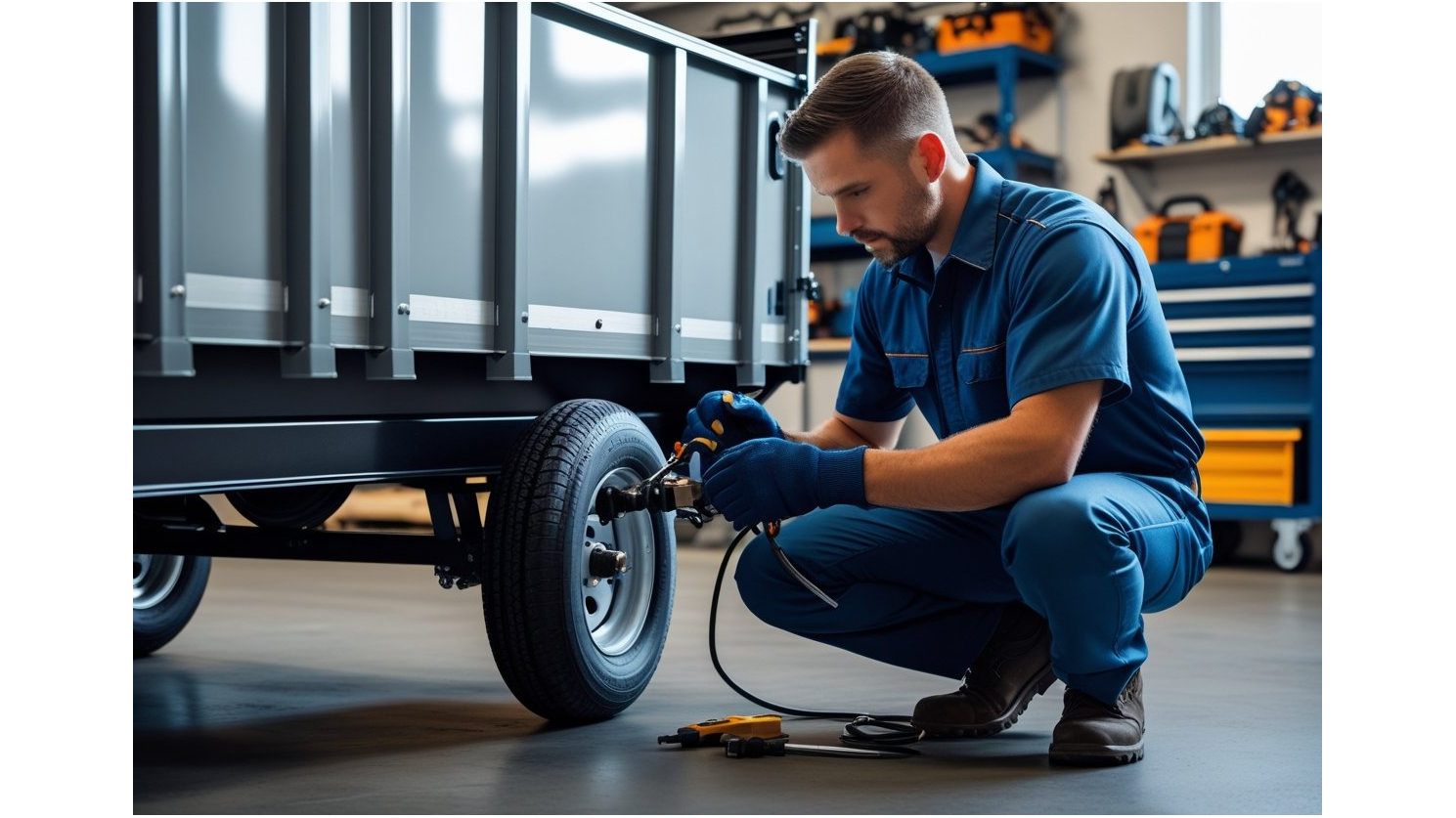
Trailer failures don't just happen—they build up over time through wear, weather exposure, and the constant stress of hauling heavy loads. Professional safety inspections catch these developing problems before they strand you on the highway or cause a dangerous accident. Regular inspections also ensure compliance with state and federal regulations, which can save thousands in fines and liability issues.
The data shows a clear pattern: routine trailer maintenance prevents accidents caused by worn tires, malfunctioning lights, and faulty brakes. Professional technicians have the expertise to spot subtle warning signs that untrained eyes miss, from bearing seal leaks to microscopic weld cracks. R&B Hitch of Ocala specializes in trailer safety inspections and repairs, helping Central Florida trailer owners avoid costly roadside emergencies.
Beyond safety, professional inspections protect your investment. A well-maintained trailer retains its value and performs reliably for decades, while neglected trailers depreciate rapidly and require expensive emergency repairs. Professional inspection services identify maintenance needs early, when repairs are still affordable and manageable.
Understanding which trailer components fail most frequently helps prioritize maintenance efforts and budget planning. Professional repair shops see the same failure patterns repeatedly, providing valuable insights into which parts need the most attention.
Wheel bearings top the list of trailer failures because they operate under extreme conditions—supporting thousands of pounds while spinning at highway speeds. Without proper lubrication, bearings overheat and seize, sometimes causing wheels to separate from the trailer completely. Professional bearing repacking involves removing the entire hub assembly, cleaning old grease, inspecting races for pitting, and refilling with high-temperature bearing grease. This service should be performed annually or every 12,000 miles, whichever comes first.
Trailer brake systems face unique challenges compared to vehicle brakes. Electric brake controllers can malfunction, hydraulic lines can develop leaks, and brake pads wear unevenly due to load distribution issues. Professional brake inspections include testing the breakaway switch, measuring pad thickness, checking fluid levels in hydraulic systems, and verifying proper electrical connections for electric brakes. Worn brake components reduce stopping power dramatically, especially when hauling maximum loads.
Trailer wiring systems endure constant flexing, road salt exposure, and moisture infiltration that causes connections to corrode and wires to break. Faulty lights create serious safety hazards and legal violations. Professional electrical repairs involve replacing corroded connectors with waterproof versions, applying dielectric grease to prevent future corrosion, and routing wires away from heat sources and sharp edges. LED lighting systems last longer than traditional bulbs but require proper voltage regulation to prevent premature failure.
Trailer tires face unique stresses because they don't steer or brake like vehicle tires, creating unusual wear patterns. Suspension components like leaf springs and bushings deteriorate from constant loading cycles and road impact. Professional tire service includes pressure monitoring, tread depth measurement, sidewall inspection for age-related cracking, and replacement recommendations based on both wear and age. Even tires with good tread should be replaced after 5-6 years due to rubber degradation.
Department of Transportation regulations establish mandatory inspection schedules based on trailer weight classifications, with heavier trailers requiring more frequent professional inspections.
Commercial trailers exceeding 10,001 pounds gross vehicle weight rating must pass annual DOT inspections to ensure all components meet federal safety standards. These detailed inspections cover brake systems, tires, wheels, suspension, lighting, reflectors, frame integrity, coupling devices, floors, and cargo securement systems. Professional DOT inspection services verify that trailers meet current safety regulations and provide official documentation required for commercial operations. Failure to maintain current DOT inspection certification can result in substantial fines and operational shutdowns.
Various states require annual safety inspections for personal trailers exceeding 4,500 pounds gross weight, similar to vehicle inspection requirements. These inspections focus on basic safety systems—brakes, lights, tires, and structural integrity—but use the same rigorous standards as commercial inspections. Professional inspection services ensure compliance with state regulations while identifying potential safety issues before they become dangerous failures.
A thorough pre-trip inspection prevents most roadside breakdowns and ensures safe travels. Professional technicians recommend specific inspection points that cover the most critical safety systems.
The hitch connection bears the entire load and towing forces, making it the most critical safety component. Pre-trip inspection includes verifying that the coupler fully engages the ball, the locking mechanism secures properly, and the pin or lever locks in place. Check that the ball size matches the coupler rating and that grease maintains smooth operation. Inspect the ball mount pin for proper insertion and securing clip installation.
Safety chains provide the final protection if the primary hitch connection fails. Proper installation requires crossing chains under the trailer tongue to create a cradle that prevents the tongue from hitting the ground. Inspect chains for stretched links, rust, or damage that could reduce strength. Verify that chain attachment points on both the trailer and vehicle can handle the trailer's gross weight rating. The breakaway switch and battery system provide emergency braking if the trailer separates completely.
Frame inspection focuses on welds, stress points, and areas where modifications have been made. Look for cracks, rust, or bent metal that could indicate overloading or impact damage. Verify that loads are distributed properly to maintain proper tongue weight—typically 10-15% of gross trailer weight for conventional hitches. Improper weight distribution causes dangerous sway and reduces vehicle control.
Mobile trailer repair services eliminate the inconvenience and expense of transporting disabled trailers to repair facilities, bringing professional diagnostics and repair capabilities directly to the customer's location.
Mobile repair services handle most common trailer repairs without requiring shop facilities—wheel bearing replacement, brake adjustments, electrical troubleshooting, and tire services can all be performed on-site. Professional mobile technicians carry specialized tools and common replacement parts, enabling same-day repairs for most issues. This convenience saves customers time and eliminates the need for towing services or rental equipment.
Mobile coverage spans Central Florida's trailer-heavy regions, from rural farming communities to recreational vehicle destinations. Service areas include Ocala, Gainesville, The Villages, Crystal River, and additional communities throughout Marion County and beyond. This extensive coverage ensures that professional trailer repair services are available where customers need them most—at job sites, storage facilities, boat ramps, and residential locations.
Professional trailer maintenance doesn't have to be expensive when problems are caught early through regular inspections and preventive care. Free quotes help trailer owners budget for necessary repairs and understand the true condition of their equipment. Emergency repairs always cost more than scheduled maintenance, making proactive service the smart financial choice.
Professional inspection and repair services provide peace of mind that trailers will perform safely and reliably when needed most. Whether preparing for a long-distance haul, seasonal storage, or daily commercial use, expert maintenance keeps trailers road-ready and compliant with safety regulations.
For trailer repair and safety inspection services throughout Central Florida, contact R&B Hitch of Ocala at http://rbhitchofocala.com/ for mobile solutions that come to you.


