Children fleeing war face more than physical hardship. Unseen trauma from conflict and displacement can leave long-lasting scars—making early mental health care a vital part of any humanitarian response.
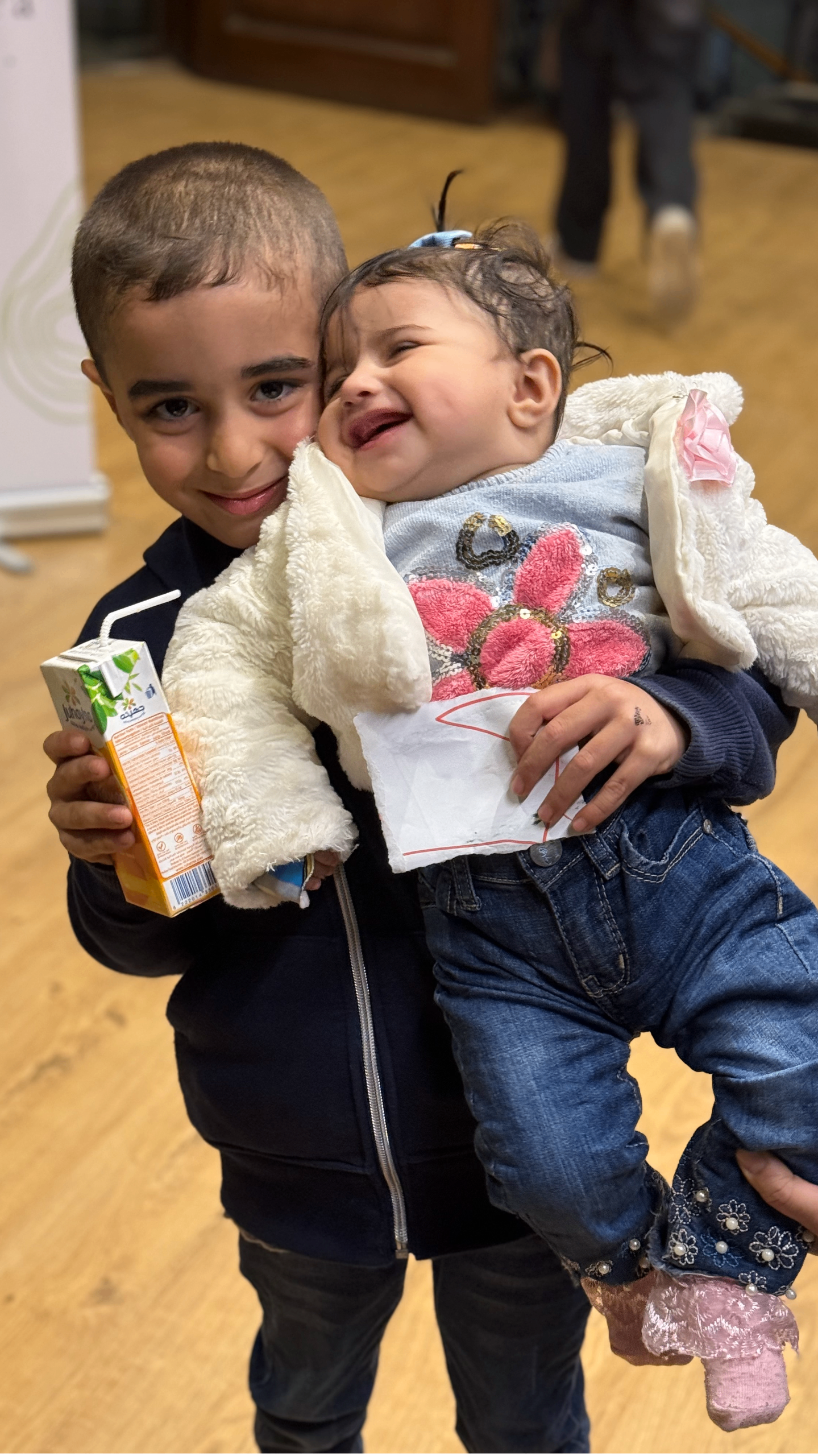
In crisis zones, survival often looks like food, water, and shelter. But for the youngest victims of war—refugee children—that's only part of the picture. The trauma of violence, displacement, and uncertainty leaves invisible wounds that, without early support, can shape a child's future for years to come.
Studies reveal that nearly 1 in 4 refugee children suffer from PTSD, with 14% experiencing depression and 16% struggling with anxiety disorders. These numbers are especially high within the first two years after displacement—a critical window when mental health support can make a life-changing difference.
War, forced migration, and prolonged instability don't just affect a child's emotions. They can alter the very architecture of the developing brain. Research shows that refugee children often experience disruptions in:
These challenges can hinder integration into new communities, delay education, and make emotional self-regulation difficult without early intervention.
Children under 8 are especially vulnerable. In this age group, rates of behavioural problems, anxiety, and depression are among the highest—particularly in low- and middle-income host countries where access to care is limited.
For many families, trauma compounds. When parents—especially mothers—suffer from PTSD, children are significantly more likely to develop mental health conditions of their own. This intergenerational impact reinforces the importance of family-focused mental health strategies, not just child-only approaches.
While traditional talk therapy is often out of reach or culturally mismatched in refugee settings, trauma-informed care doesn't have to mean a therapist's office. Evidence shows that art and play therapy can create safe, non-verbal spaces for children to process overwhelming emotions and experiences.
A systematic review published in BMC Psychiatry found that creative arts-based interventions significantly reduced PTSD, anxiety, and depression symptoms among refugee children. Organisations including UNICEF also recommend play-based psychosocial support as an essential part of any child-focused humanitarian response.
In practice, these programs help children:
At across the Middle East and North Africa, frontline organisations are embedding psychosocial support into broader humanitarian services. That includes legal aid, family reunification, shelter assistance, and community education—all designed to reduce long-term vulnerability.
In Cairo, teams at Goodwill Caravan's Salaam Centre work with displaced families from Sudan and Gaza to offer early-stage mental health support alongside essential aid. Programs include three-month cycles of art and play therapy, as well as trauma-informed workshops for caregivers and legal assistance for family reunification.
Trauma healing doesn't require grand gestures—but it does require intentionality.
These are modest sums with outsized impact.
Food and shelter save lives. But without mental health care, many refugee children remain trapped in survival mode long after they've found physical safety.
If you're exploring ways to support displaced families beyond immediate relief, look to organisations doing the work on the ground. Teams like those at are helping refugee children heal through art, play, and early intervention—restoring more than just shelter, but the foundations of a healthy future.


