After a storm hits, your roof might look fine from the ground, but hidden damage like loosened shingles and compromised flashing could be setting you up for thousands in repairs—here’s what professional inspectors find that homeowners miss.
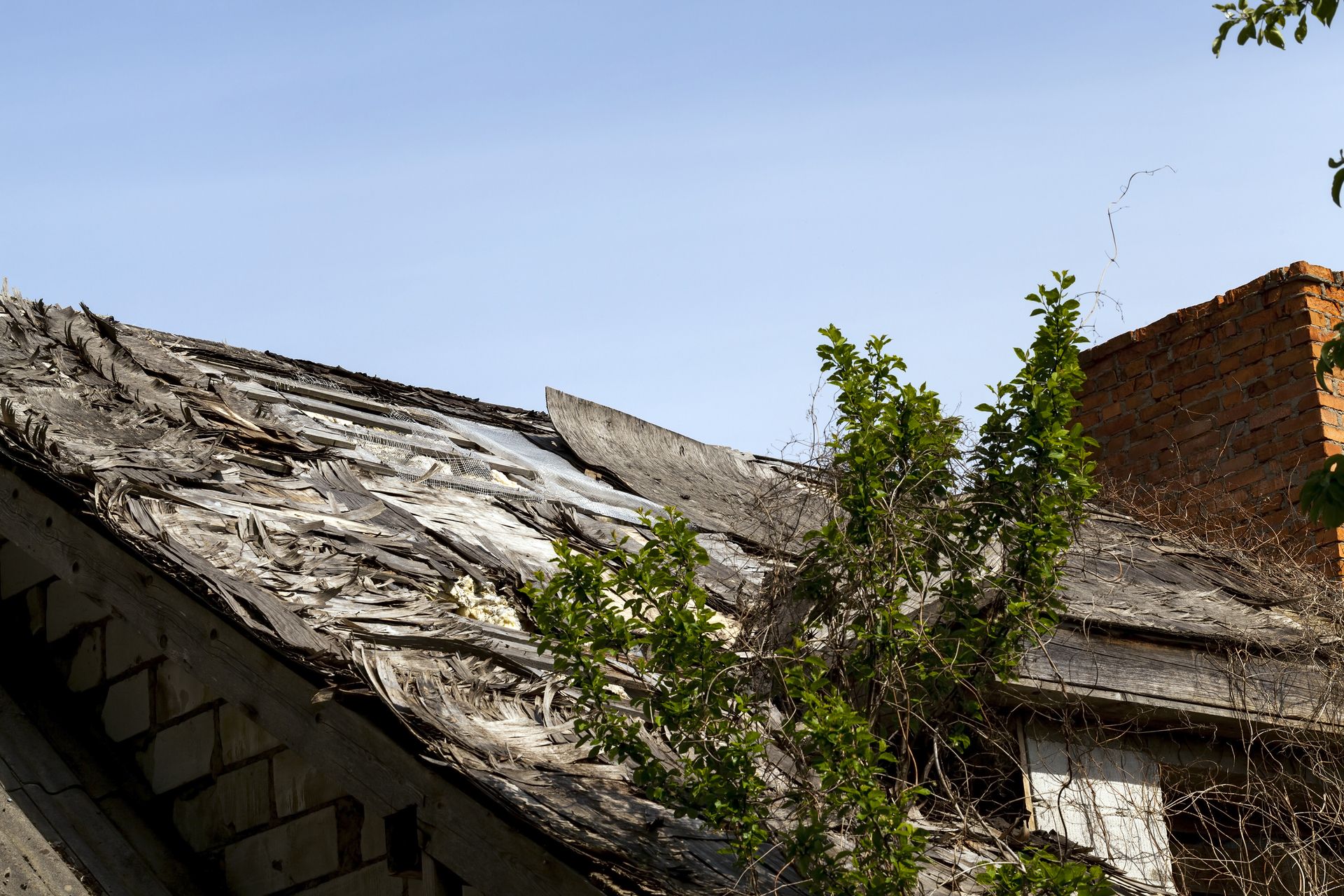
When major storms roll through, the immediate aftermath often leaves homeowners wondering about the true condition of their roofs. What appears fine from street level might hide significant damage that could lead to costly repairs down the road.
Storm damage extends far beyond the obvious missing shingles that catch homeowners' attention. High winds can loosen shingles without completely removing them, creating vulnerable spots where water can penetrate during future weather events. Hail impact causes granule loss on asphalt shingles, reducing their protective capabilities and shortening their lifespan significantly.
Flashing around chimneys, vents, and roof valleys takes a beating during severe weather. Even minor displacement can create entry points for water intrusion. Galveston County Roofing explains that its inspectors regularly find these hidden issues during post-storm assessments that homeowners simply cannot detect from ground level.
Flying debris creates punctures and dents that may seem minor but compromise the roof's integrity. These damages often appear in areas difficult to see without proper equipment and training, making professional inspection necessary for complete damage assessment.
A thorough roof inspection covers multiple critical systems that work together to protect homes. Professional inspectors examine far more than surface-level shingle conditions, diving deep into structural and functional components.
Inspectors assess shingle condition, checking for cracking, curling, missing pieces, and proper adhesion. They examine underlayment exposure and evaluate decking condition from both exterior and interior vantage points. Structural assessment includes checking for sagging, proper slope maintenance, and load-bearing capacity after storm stress.
Flashing inspection focuses on step flashing, valley flashing, and penetration seals around vents, chimneys, and skylights. Gutters receive thorough examination for damage, proper attachment, and debris accumulation. Drainage system evaluation ensures water flows properly away from the structure without pooling or backup issues.
Proper attic ventilation prevents moisture buildup and temperature extremes that damage roofing materials. Inspectors check soffit vents, ridge vents, and exhaust fans for storm damage or blockages. Supporting framework examination includes rafters, trusses, and connections to identify stress damage or weakening from wind loads.
Insurance companies demand thorough documentation for storm damage claims, and professional inspections provide the credible evidence needed for successful claim processing. Adjusters rely on detailed reports that DIY assessments simply cannot provide.
Professional inspectors capture high-resolution photographs from multiple angles, documenting damage patterns, affected areas, and comparative shots showing normal versus damaged sections. Written reports detail specific damage types, affected square footage, and repair recommendations with cost estimates. They maintain records of inspection dates, weather conditions, and storm correlation data that strengthen claim validity.
Insurance filing requires prompt notification according to your specific policy terms, which can vary from 30 days to one year depending on your insurer and state regulations. Professional inspection reports provide adjusters with preliminary damage assessment, streamlining the claims process. Many insurance companies prefer working with certified roofing professionals who understand policy requirements and documentation standards.
Catching storm damage early prevents minor issues from escalating into major structural problems. Water intrusion through damaged roofing creates ideal conditions for mold growth and wood rot that can compromise entire home structures.
Early intervention through professional damage assessment allows for targeted repairs rather than complete roof replacement. Small areas of damage can be addressed for hundreds of dollars instead of thousands required for full roof systems. Prompt repairs maintain warranty coverage and prevent voiding manufacturer guarantees due to neglected maintenance.
Storm-damaged roofs lose energy efficiency through compromised insulation and air sealing. Water intrusion damages ceiling materials, insulation, and electrical systems, creating expensive repairs beyond roofing costs. Professional inspections identify these vulnerabilities before they cause extensive interior damage.
Professional roof inspections typically range from $120-$600 depending on roof size, complexity, and inspection type. This investment pales compared to potential repair costs from missed damage or safety risks from DIY attempts. Drone and infrared inspections provide detailed analysis without homeowner safety risks.
Climbing on damaged roofs poses serious injury risks, especially after storms when debris and loose materials create hazardous conditions. Professional inspectors carry insurance, use proper safety equipment, and possess training to work safely at height. Many homeowners lack experience to identify subtle damage indicators that trained professionals recognize immediately.
Post-storm roof assessment should occur within days of severe weather events. Delaying inspections risks claim denial and allows minor damage to worsen through subsequent weather exposure. Professional assessment provides peace of mind and protects long-term property value.
Contact experienced roofing professionals immediately after storm events to ensure thorough damage evaluation and proper insurance documentation. Quick response prevents small problems from becoming expensive repairs while maintaining home protection and energy efficiency.
For expert storm damage assessment and professional roofing services throughout Galveston County, visit Galveston County Roofing to protect your home investment with thorough post-storm evaluation.


