That musty smell and black spots on your walls might seem like a simple cleaning job, but DIY mold removal could spread thousands of spores throughout your home and cost you thousands more than professional remediation.
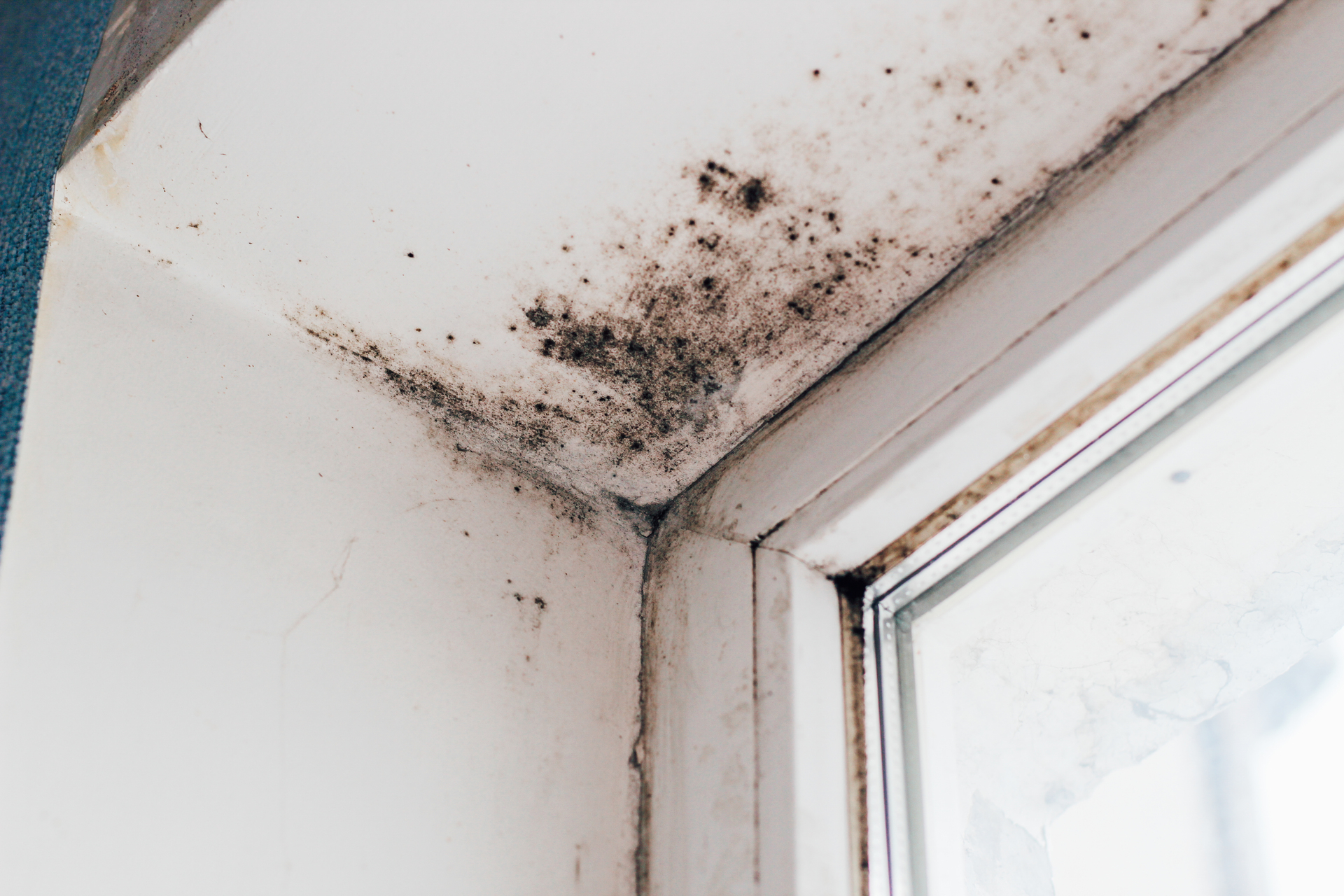
When black spots appear on walls, or that musty smell hits the basement, the temptation to grab bleach and tackle mold removal yourself feels natural. After all, how hard could it be? The reality is far more complex and dangerous than most property owners realize.
Mold removal seems straightforward until spores become airborne. Every scrub, every spray, every amateur attempt at cleaning releases thousands of microscopic spores into the air. These invisible particles travel through ventilation systems, settle in carpets, and embed themselves in furniture fabrics. What started as a small problem in one room quickly becomes a whole-house contamination issue.
The health consequences start immediately. Respiratory irritation, persistent coughing, and worsened asthma symptoms are just the beginning. People with compromised immune systems face even greater risks, including severe allergic reactions and chronic respiratory conditions. Professional mold specialists understand these risks and use containment strategies that prevent spore dispersal from the very start of removal.
Beyond immediate health concerns lies the problem of incomplete removal. Surface cleaning might eliminate visible mold, but root systems and spores embedded in porous materials remain active. Within weeks, new growth appears, often more extensive than the original problem. Professional-grade antimicrobials penetrate deeper than household cleaners, addressing both visible mold and hidden colonies.
The Environmental Protection Agency establishes clear thresholds for professional intervention. Any mold growth covering more than 10 square feet requires certified remediation specialists. This guideline exists because larger areas indicate significant moisture problems and potential structural damage that homeowners cannot properly assess or address.
Contaminated water sources present another mandatory professional scenario. Sewage backups, flooding from contaminated sources, or any water damage involving category 2 or 3 water requires specialized handling. These situations involve bacteria, viruses, and chemical contaminants alongside mold growth. Standard household protective equipment provides insufficient protection against these combined hazards.
HVAC system contamination demands immediate professional attention. Mold in heating and cooling systems spreads spores throughout entire buildings with every air circulation cycle. Improper cleaning attempts can damage expensive equipment and worsen contamination. Professional remediation includes system inspection, ductwork cleaning, and filter replacement using specialized equipment.
Visible mold represents only the surface of deeper problems. Moisture trapped behind walls, under flooring, or within insulation creates perfect breeding conditions for extensive colonies. Structural damage often accompanies these hidden infestations, compromising building integrity and requiring construction repairs alongside mold removal.
Professional moisture detection identifies source problems that cause mold growth. Thermal imaging reveals temperature variations indicating hidden water damage. Moisture meters measure exact humidity levels in materials, determining the extent of contamination and required drying time. These diagnostic tools remain unavailable to typical homeowners.
The moment disturbed mold releases spores, containment becomes critical. Professional remediation establishes negative air pressure systems, preventing spores from escaping work areas. Plastic sheeting, sealed doorways, and specialized ventilation equipment isolate contaminated spaces from clean areas.
DIY attempts lack these containment measures. Every movement, every cleaning action, sends spores throughout the property. Air conditioning systems pickup and distribute these particles to previously uncontaminated rooms. What begins as localized mold becomes a building-wide problem requiring extensive professional remediation.
Mold exposure triggers immediate respiratory responses in sensitive individuals. Persistent coughing, uncontrolled sneezing, and asthma attacks can begin within minutes of spore contact. These symptoms worsen with continued exposure during DIY removal attempts.
Children and elderly individuals face heightened vulnerability. Their developing or weakened respiratory systems cannot handle spore loads that might only mildly affect healthy adults. Professional remediation protects these vulnerable populations by eliminating exposure during the removal process.
Surface cleaning provides false confidence. Mold roots penetrate porous materials like drywall, wood, and insulation. Standard household cleaners cannot reach these embedded colonies. Within days or weeks, new growth emerges from untreated root systems, often more extensive than original infestations.
Professional antimicrobials penetrate material surfaces, killing embedded spores and preventing regrowth. EPA-registered products provide proven effectiveness against specific mold species. Application techniques ensure complete coverage and proper contact time for maximum efficacy.
High-Efficiency Particulate Air (HEPA) vacuums capture particles as small as 0.3 microns, effectively removing mold spores from surfaces and air. These specialized units maintain sealed systems preventing captured spores from escaping back into the environment. Standard shop vacuums lack this filtration capability and can actually spread contamination.
Infrared cameras reveal temperature variations indicating moisture problems and hidden mold growth. These thermal imaging devices detect temperature differences as small as 0.1 degrees Celsius, identifying problem areas invisible to naked eyes. This technology allows professionals to locate moisture sources and plan thorough remediation strategies.
Professional-grade moisture meters provide precise readings of material water content. Different materials require different measurement techniques and interpretation standards. Wood moisture content above 19% supports mold growth, while concrete shows concerning levels above 4%. These specific thresholds guide remediation decisions and help prevent future problems.
Thermal imaging extends beyond moisture detection to identify air leaks, insulation problems, and structural issues contributing to mold growth. This diagnostic approach addresses root causes rather than just visible symptoms, providing long-term solutions for property owners.
EPA registration ensures antimicrobial products meet strict efficacy and safety standards. These professional-grade treatments target specific mold species with proven kill rates. Application rates, contact times, and safety precautions follow detailed label instructions that maximize effectiveness while minimizing health risks.
Contaminated material disposal follows federal and state regulations. Professional remediation companies maintain proper licensing for hazardous waste transportation and disposal. This regulated approach protects communities from improper contamination and ensures legal compliance for property owners.
Respiratory treatment costs accumulate quickly when mold exposure triggers health problems. Emergency room visits for severe asthma attacks can exceed $3,000 per incident. Prescription medications, specialist consultations, and ongoing treatment for chronic conditions add thousands more to medical expenses.
Long-term health consequences prove even more expensive. Chronic respiratory conditions require ongoing medical management, prescription medications, and potential work absences. These costs often exceed the price of professional mold remediation by substantial margins.
Structural repairs escalate costs rapidly when mold spreads during DIY removal attempts. Drywall replacement ranges from $1.50 to $6.43 per square foot, while hardwood flooring replacement costs between $6 to $25 per square foot. These material costs exclude labor, permits, and related construction expenses.
Framing damage requires extensive reconstruction work. Load-bearing wall repairs involve structural engineers, building permits, and specialized contractors. Total costs for major structural repairs can reach $10,000 to $30,000, far exceeding professional mold remediation expenses.
Insurance companies investigate mold claims thoroughly, looking for evidence of proper maintenance and prompt professional response. DIY removal attempts that worsen contamination or cause additional damage can void coverage entirely. Policy holders face full financial responsibility for repairs and remediation costs.
Documentation requirements for insurance claims favor professional remediation. Certified companies provide detailed reports, photographic evidence, and compliance documentation that support coverage decisions. DIY attempts rarely include this level of documentation, weakening claim validity.
The Institute of Inspection, Cleaning and Restoration Certification (IICRC) requires extensive training and experience before certification eligibility. This training requirement ensures technicians understand real-world challenges and practical application of remediation techniques. Classroom training alone cannot provide this foundation.
Continuing education maintains current knowledge of evolving techniques, equipment, and regulations. Annual training requirements keep certified professionals updated on industry developments, new products, and changing safety standards. This ongoing education ensures consistent quality and safety in mold remediation services.
NORMI (National Organization of Remediators and Mold Inspectors) certification emphasizes safety protocol compliance and standardized procedures. Certified professionals follow established containment methods, worker protection requirements, and disposal procedures that protect both occupants and workers.
Quality control measures include air sampling, surface testing, and clearance verification. These verification steps confirm successful remediation and safe reoccupancy. Independent third-party verification provides additional assurance of complete mold removal and proper cleanup.
Professional mold remediation ensures safety, effectiveness, and long-term value that DIY attempts cannot match. Certified specialists bring expertise, specialized equipment, and industry knowledge that protect both property and health. The investment in professional services prevents costly mistakes, reduces health risks, and ensures complete remediation.
When mold appears in your property, professional assessment and remediation offer the safest, most effective solution. Attempting DIY removal risks your health, your property value, and your family's safety. Contact your local professional for certified professional mold remediation services that protect what matters most.


