Professional body shops use computerized systems that detect frame damage invisible to DIY enthusiasts, while modern vehicles contain complex sensor networks requiring precise calibration. The hidden costs of amateur repairs often exceed professional rates when factoring in tools, materials, and fixing mistakes.
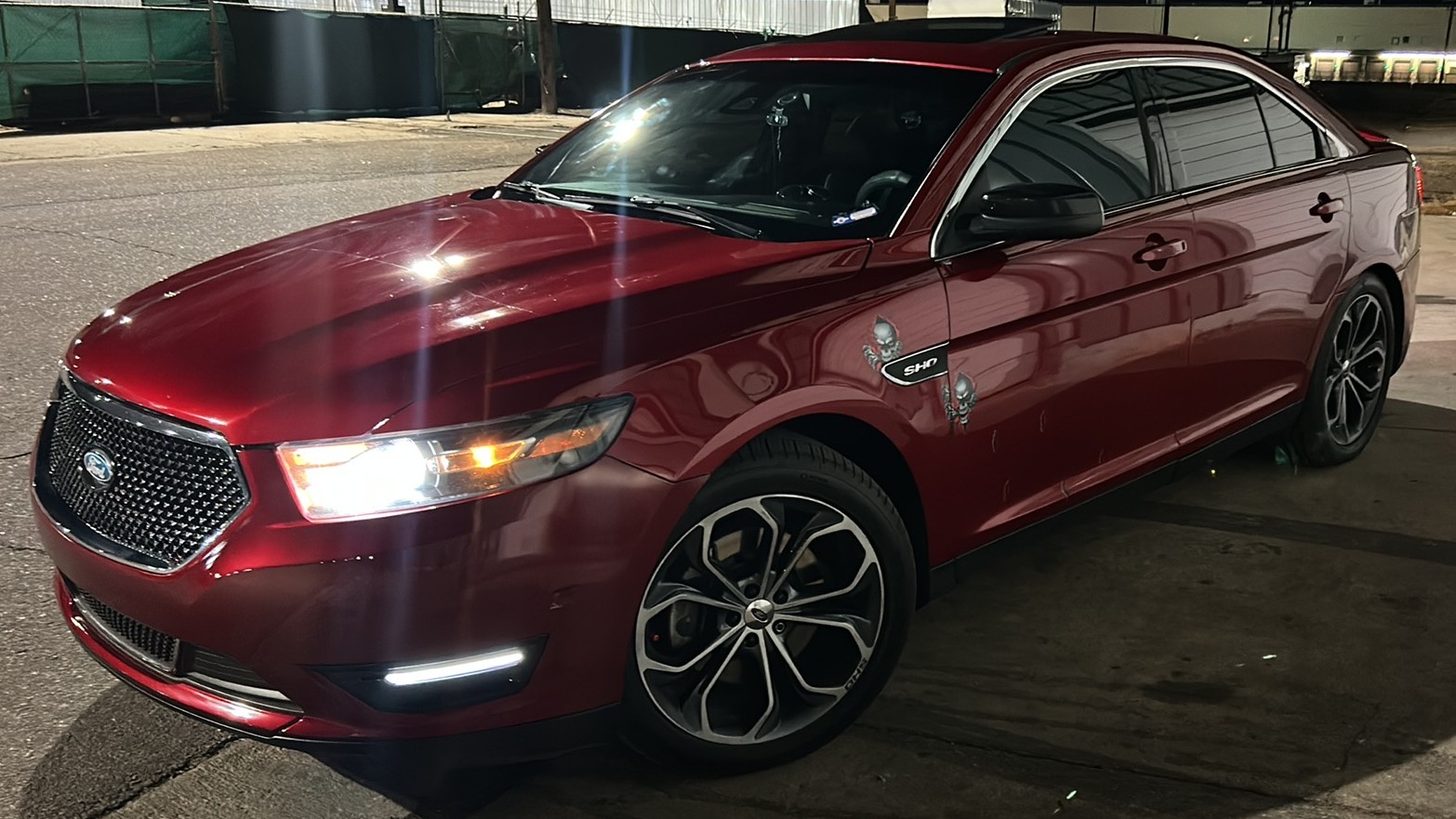
Your car's fresh dent stares back at you from the parking lot, and you're already calculating whether to grab sandpaper or call the professionals. That split-second decision between DIY and professional repair affects more than your wallet—it determines your car's safety, appearance, and value for years ahead.
Local auto body experts such as Arvada-based see these choices play out daily, watching car owners weigh their options carefully before deciding.
Most car owners think small dents are easy fixes, but even minor damage can hide bigger problems underneath the surface. The choice between doing it yourself and hiring professionals affects your car's future performance, safety, and what it's worth later. Making the wrong choice usually means paying twice—once for your DIY attempt and again for professionals to fix your mistakes.
Professional technicians find hidden frame damage, bent metal, and sensor problems that regular people miss when looking at their cars. These hidden issues turn small repairs into safety hazards when someone without training tries to fix them at home. Your insurance might not cover accidents caused by bad DIY repairs, leaving you to pay for everything yourself. Here's what really happens when you choose each repair path and why it matters for your wallet and safety.
DIY auto body repair starts with watching videos that make everything seem super easy and quick to finish perfectly. You'll spend money on special tools like dent pullers, sanders, and paint guns that add up fast at the store. The real work means removing broken parts, putting on body filler, and making everything smooth before you even think about paint.
Getting ready to paint takes many steps, including sanding, cleaning, priming, and taping off areas you don't want painted. Finding your car's exact color takes more than just buying a spray can with your paint code on the label. Weather, moisture in the air, and how you spray all change how paint sticks and dries on your car.
Professional auto body repair starts with checking everything using computers that find even tiny problems with your car's frame alignment. Technicians look at the whole damaged area, checking for hidden problems with sensors and important parts under the surface that you can't see. Their special equipment finds problems your eyes would never catch, making sure they fix everything that needs attention right away.
The repair work follows your car manufacturer's exact instructions using methods that keep your vehicle safe and strong, like when it was new. who keep learning new skills stay updated on new car technology and the best ways to fix different vehicles. Professional paint booths control temperature and moisture perfectly, so paint goes on smoothly and dries correctly every single time.
Today's shops use computers to mix paint that matches your car's exact color by scanning your actual paint, not just using codes. They spray several layers, including primer, color, and clear coat, with professional equipment that covers everything evenly without drips or runs. The drying happens in special booths that speed up the process while keeping dust and dirt from ruining the fresh paint.
The real cost difference between DIY and professional repair includes lots of things most people forget to think about first. Saving money on labor disappears when you count hours spent learning, making mistakes, and doing the work over again multiple times. Professional repairs cost more at first, but they come with guarantees and quality materials that protect your car for years.
DIY Auto Body Costs:
Professional Shop Value:
DIY repairs work for tiny scratches and small chips that only damage the very top layer of clear coat slightly. Damage in places people don't see, like inside door frames or the trunk, won't hurt how your car looks or what it's worth. People who know cars and have the right tools might fix small appearance problems on older cars without much trouble.
Professional repair is necessary when damage affects your car's frame, safety features, or requires perfect color matching on parts that people see. Insurance claims almost always need professional paperwork and certified repairs to keep your coverage working and process claims correctly throughout everything. Newer cars with computer safety systems need professional setup after body repairs so these systems work properly and keep you safe.
Today's cars have special zones that crumple, sensor systems, and frame parts designed to work together, protecting you in crashes effectively. DIY repairs might make things look better, but miss important structural fixes that make these safety features work incorrectly in future accidents.
Airbag sensors, blind spot alerts, and crash avoidance systems need exact positioning and setup that DIY repairs can't handle correctly at all. Small alignment problems affect how these systems spot danger and react when you really need them during emergencies on the road. Insurance companies might refuse claims when they find out that bad repairs made an accident worse or caused safety systems to fail.
Smart owners know when professional help makes sense, especially for safety-related repairs or visible surfaces needing perfect results. Getting estimates helps you understand the damage and make the best choice for your situation.
Professional technicians such as understand how each part affects safety and make sure repairs keep the same protection levels throughout your vehicle.


