Stepping into a flooded backyard after rain isn’t just frustrating—it’s damaging your foundation and creating health hazards you might not even realize. The simple screwdriver test reveals if your biggest drainage enemy is hiding right beneath your feet.
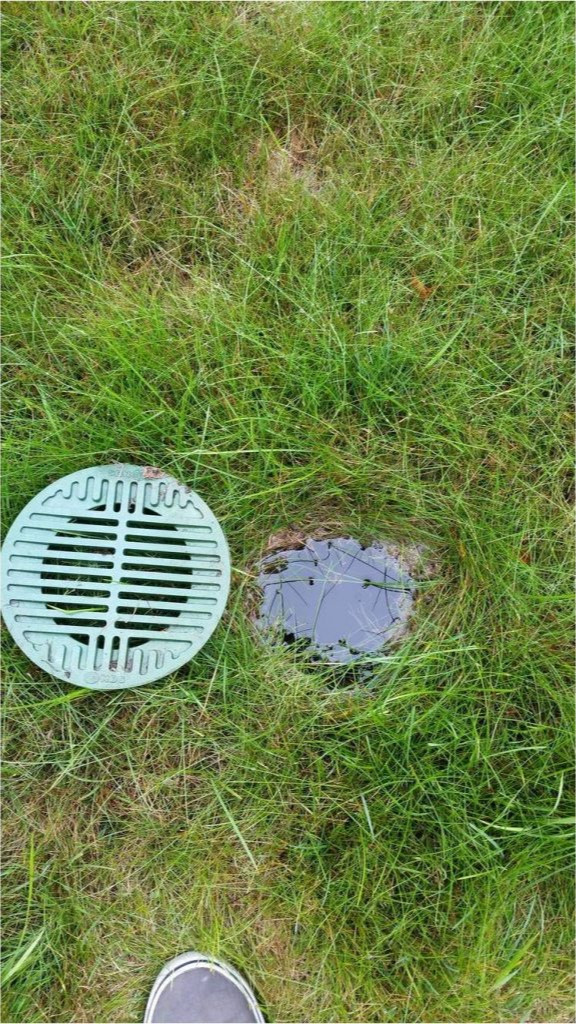
Nobody enjoys stepping into their backyard after a rainstorm only to find a miniature lake where their lawn used to be. Standing water transforms outdoor spaces from functional landscapes into soggy, unusable areas that threaten both property and health. The good news? Homeowners can take advantage of numerous proven strategies to reclaim their yards and protect their investment from water damage.
Standing water creates serious structural threats that many homeowners underestimate until costly repairs become necessary. When water accumulates against foundations, it creates hydrostatic pressure that forces moisture through even microscopic cracks in concrete or masonry. This constant pressure weakens the foundation's integrity over time, leading to shifting, settling, and structural instability.
The damage extends beyond foundations. Prolonged exposure to standing water can corrode metal support structures, cause wooden deck posts and fence materials to swell and warp, and erode the soil that supports walkways, patios, and other hardscaped features. These problems compound quickly, turning what could have been a simple drainage fix into thousands of dollars in structural repairs.
Standing water transforms yards into breeding grounds for mosquitoes that carry diseases including West Nile virus and, less commonly, Zika virus. Female mosquitoes require only small amounts of stagnant water to lay eggs, making even shallow puddles dangerous breeding sites. Within days, these areas can produce dozens of disease-carrying insects that threaten family health throughout the summer months.
Beyond mosquito concerns, stagnant water promotes bacterial growth that creates foul odors and can trigger respiratory issues and allergies in sensitive individuals. The combination of decomposing organic matter and standing moisture creates an unhealthy environment that affects air quality around the home.
Properties with inadequate drainage often suffer from poor grading where the landscape slopes toward the house instead of away from it. This fundamental design flaw causes rainwater and irrigation runoff to flow directly toward foundations rather than moving to appropriate drainage areas. Even properties with relatively flat terrain can develop low spots over time as soil settles and compacts.
Proper grading requires a minimum slope of 2% (approximately 2 inches of drop per 10 feet) moving away from structures. When this gradient doesn't exist, water has nowhere to go except down, creating saturated soil conditions and standing puddles that persist long after rainfall ends.
Soil compaction dramatically reduces water infiltration rates, forcing moisture to remain on the surface rather than absorbing into the ground. Heavy foot traffic, construction equipment, and repeated mowing over wet conditions all contribute to soil density that prevents proper drainage. The simple screwdriver test reveals compaction problems: if a screwdriver won't penetrate soil easily, water absorption will be severely limited.
Clay-heavy soils present additional challenges because clay particles pack tightly together, leaving minimal space for water movement. These soils can hold moisture for extended periods, creating chronically soggy conditions that stress plant roots and create ideal environments for fungal diseases.
Overwatering creates noticeable puddles even without recent rainfall, indicating that irrigation practices exceed soil absorption capacity. Many homeowners unknowingly contribute to standing water problems through frequent, shallow watering sessions that keep soil surfaces constantly saturated. This approach prevents deep root development and creates conditions where even moderate rainfall causes immediate flooding.
Improperly maintained sprinkler systems compound these issues. Clogged spray heads, misaligned coverage patterns, and incorrect timer settings can create localized flooding in some areas while leaving other sections inadequately watered.
Neglected gutters create cascading water problems that extend far beyond roof protection. When gutters clog with leaves, debris, and sediment, water spills over edges directly onto the ground below, creating concentrated saturation zones that overwhelm soil absorption capacity. This concentrated water flow can wash away mulch, erode planted areas, and create persistent wet spots.
Downspout placement significantly impacts yard drainage patterns. When downspouts discharge water too close to foundations or into low-lying areas, they concentrate enormous volumes of roof runoff into spaces that cannot handle the sudden influx, creating immediate flooding conditions.
Clogged gutters represent one of the most common and easily fixable causes of yard flooding. When gutters overflow, they dump concentrated volumes of water directly against foundations and into planting beds, creating soil saturation that can damage both structures and landscapes. Regular cleaning twice yearly - once in autumn after leaves fall and again in spring - prevents these overflow conditions.
Extending downspouts at least 4 feet from the home's foundation directs water away from vulnerable areas and prevents the soil expansion that damages foundation walls. Simple aluminum extensions, splash blocks, or roll-out drain sleeves provide inexpensive solutions that dramatically improve water management around structures.
Soil improvement addresses the root cause of many drainage problems by creating pathways for water infiltration in compacted ground. Core aeration removes small plugs of soil, creating channels that allow water, air, and nutrients to penetrate deeper into the root zone. This process is most effective when performed on slightly moist soil during active growing seasons.
Adding organic matter like compost transforms soil structure by improving aggregation between particles. This creates stable pore spaces that facilitate water movement while preventing the waterlogging that occurs in heavily compacted soils. The organic content acts like tiny sponges, absorbing excess moisture during wet periods and releasing it during dry spells.
Implementing deep, infrequent watering practices eliminates many standing water problems while promoting healthier plant growth. The tuna can test provides an accurate method for measuring sprinkler output: place empty cans throughout the coverage area, run sprinklers for 15 minutes, then measure water depth to calculate appropriate watering duration for delivering one inch per week.
Proper timing prevents water waste and reduces flooding potential. Watering during early morning hours when evaporation rates are lowest allows plants to efficiently utilize applied moisture before heat stress occurs.
French drains provide solutions for yards with chronic standing water issues that simple fixes cannot address. These systems consist of gravel-filled trenches containing perforated pipes that collect surface water and redirect it to appropriate discharge areas like storm drains, dry wells, or rain gardens. The gravel surrounding the pipe filters out sediment while maintaining water flow capacity.
Professional installation typically costs between $1,000 and $12,250, depending on system length and complexity, soil conditions, and additional features. The investment pays dividends through eliminated flooding, reduced foundation stress, and improved landscape health. Proper installation requires precise grading to ensure water flows toward discharge points rather than backing up within the system.
Rain gardens represent environmentally-friendly approaches to managing stormwater while creating attractive landscape features. These shallow depressions, planted with moisture-tolerant native species, act as natural catch basins that filter runoff and allow gradual water absorption into surrounding soil. Unlike conventional drainage that quickly moves water off-site, rain gardens provide on-site management that reduces strain on municipal storm systems.
Successful rain gardens require careful plant selection focusing on species that tolerate both wet and dry conditions. Native sedges, rushes, and ornamental grasses excel in these environments because their extensive root systems create channels for water infiltration while providing wildlife habitat and seasonal interest.
Dry wells offer discrete water management solutions that work particularly well in areas where surface drainage options are limited. The Flo-Well® system and similar underground structures collect runoff through inlet grates and disperse it gradually into surrounding soil through perforated walls and gravel backfill. These systems handle large volumes of water while occupying minimal surface space.
Installation requires positioning dry wells at least 10 feet from foundations and 3 feet from property boundaries according to manufacturer recommendations; always verify local building codes for specific requirements. Professional sizing ensures adequate capacity for local rainfall patterns and soil infiltration rates.
Permeable hardscapes provide practical alternatives to traditional concrete and asphalt surfaces that block water infiltration. Permeable pavers, decorative gravel pathways, and stepping stone installations allow rainwater to filter through gaps and reach underlying soil rather than creating runoff that overwhelms other landscape areas.
These materials offer design flexibility while improving overall drainage capacity. Permeable options include porous concrete, permeable asphalt, interlocking pavers with wide joints, and loose aggregate materials like crushed stone or decorative gravel. Each provides different aesthetic options while contributing to stormwater management strategies.
Water-absorbing plants serve dual purposes by preventing soil erosion while actively removing excess moisture from saturated areas. Deep-rooted species create natural drainage channels that improve soil structure and increase infiltration capacity. Native plants typically offer superior performance because they've adapted to local precipitation patterns and soil conditions.
Effective water-absorbing species include native sedges that thrive in wet soils, ornamental grasses with extensive root systems, and rushes that tolerate seasonal flooding. These plants manage excess moisture while providing habitat for beneficial insects and birds and requiring minimal maintenance once established.
While many drainage improvements can be accomplished through DIY efforts, persistent flooding problems often require professional assessment and installation to achieve lasting results. Complex grading issues, extensive French drain systems, and landscape renovations benefit from expert planning and execution that ensures proper function and long-term durability.
Professional drainage contractors bring specialized equipment, technical expertise, and warranty protection that DIY projects cannot match. They can accurately diagnose underlying causes, design integrated solutions that address multiple contributing factors, and execute installations that comply with local building codes and environmental regulations.


