New York property owners who skip fall parking lot maintenance face emergency repairs costing 300% more than preventive care—plus serious liability risks. With winter’s freeze-thaw cycles expanding water by nearly 10 percent, those hairline cracks become expensive structural failures.
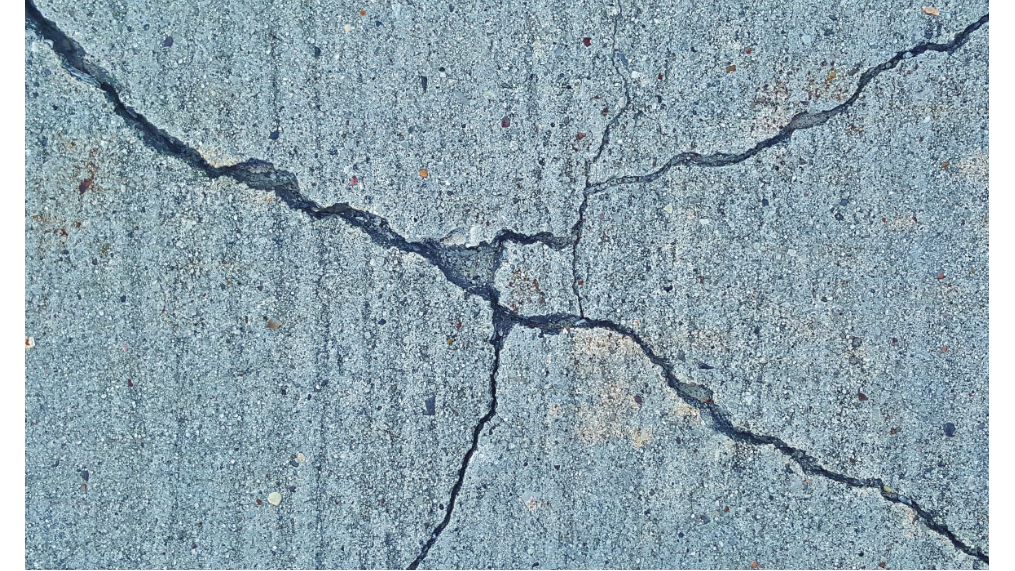
New York's harsh winters create the perfect storm for parking lot destruction. Property owners who skip fall maintenance face emergency repairs that cost three times more than preventive care, plus potential liability from damaged vehicles and injuries. The pavement experts at Avello Asphalt & Construction explain why.
Fall weather in New York brings frequent rain and temperature swings that drive water deep into seemingly minor cracks. What appears as hairline damage on the surface often extends several inches into the asphalt base. These small entry points become major structural weak spots once winter arrives. The combination of autumn moisture and fluctuating temperatures creates ideal conditions for water penetration into every crack, joint, and surface imperfection.
Property managers often underestimate how quickly water travels through asphalt. A crack that measures just 1/8 inch wide at the surface can channel significant amounts of water into the base layer underneath. This moisture doesn't simply evaporate during dry periods – it gets trapped within the pavement structure, setting the stage for catastrophic damage when temperatures drop.
When water freezes, it expands by almost 10 percent, creating tremendous pressure against asphalt walls. This expansion force can generate substantial pressure within confined spaces – enough to crack concrete foundations, let alone flexible asphalt surfaces. The physics are unavoidable: water-filled cracks become miniature demolition charges when temperatures drop below 32°F.
New York's winter temperature patterns make this expansion particularly destructive. Rather than a single freeze event, the state experiences multiple freeze-thaw cycles throughout winter. Each cycle drives the expansion-contraction process deeper into the pavement structure. Small cracks become wider cracks, surface damage extends to the base layer, and minor maintenance issues transform into major reconstruction projects.
The repeated freeze-thaw cycles that define New York winters don't just expand existing cracks – they create entirely new failure points throughout the parking lot. Each expansion event slightly loosens the asphalt bond, while each thaw allows more water to penetrate deeper. By spring, what started as surface cracking has often undermined the structural integrity of entire sections.
This cyclical damage explains why emergency repairs are so expensive. Surface patching won't fix structural problems that extend through multiple pavement layers. Full-depth reconstruction becomes necessary when preventive crack sealing could have stopped the damage at the surface level for a fraction of the cost.
Professional crack sealing represents the most cost-effective parking lot maintenance available to New York property owners. At an average of $0.50 to $1.00 per linear foot, crack sealing prevents water infiltration that leads to expensive structural repairs. The high-quality sealants used by professional contractors create a flexible barrier that moves with the asphalt during temperature changes without breaking the seal.
The return on investment for crack sealing is immediate and substantial. A typical commercial parking lot with 1,000 linear feet of minor cracking costs $500-$1,000 to seal professionally. Compare this to the average vehicle repair cost of $406 for pothole damage, and property owners quickly understand the financial wisdom of preventive maintenance.
When preventive maintenance gets delayed, emergency pothole repairs become inevitable. Individual pothole repairs range from $35 for small holes to $400 for larger failures that require full-depth reconstruction. These emergency repairs often require premium pricing due to urgent scheduling, specialized equipment mobilization, and the complex logistics of working around active business operations.
Emergency repairs also create additional hidden costs. Business disruption from blocked parking spaces, potential liability from customer vehicle damage, and the poor appearance that affects customer perception all add to the true expense. From 2010-2015, New York City paid approximately $138 million in pothole-related settlements, demonstrating the serious legal and financial consequences of deferred maintenance.
When structural damage spreads throughout a parking lot, full resurfacing becomes the only viable solution. Costs range from $1 per square foot for simple overlay work to $10 per square foot for complete reconstruction with new base preparation. A modest 10,000 square foot parking lot can require $10,000 to $100,000 in resurfacing work when preventive maintenance gets ignored.
The wide cost range reflects the extent of damage that develops from untreated surface cracking. Lots that receive regular crack sealing often need only overlay resurfacing at the lower end of the price spectrum. Properties where water damage has compromised the base layer require complete reconstruction at premium pricing.
Timing crack sealing during optimal temperature conditions is critical for maximum effectiveness. Professional-grade sealants need adequate curing time and proper temperature conditions between 40°F and 85°F to create durable, flexible seals. The best window for crack sealing runs from late spring through early fall.
Professional crack sealing involves more than simply filling visible cracks. Experienced contractors clean out debris, assess crack depth and underlying causes, select appropriate sealant materials for local conditions, and apply products using specialized equipment for consistent coverage and adhesion. The process also includes routing wider cracks to create better sealant retention and longer-lasting repairs.
Proper drainage prevents water from pooling on parking lot surfaces where it can infiltrate through small cracks and imperfections. Fall inspection should include cleaning catch basins, checking pipe connections, verifying proper surface grading, and identifying areas where standing water accumulates during rain events.
Blocked drainage systems compound winter damage by creating ice dams and prolonged water contact with asphalt surfaces. Property managers should schedule drainage maintenance as part of fall preparation, ensuring that winter precipitation flows away from the parking lot rather than pooling and freezing on the surface.
Professional surface assessment identifies problems that aren't obvious to untrained observers. Experienced pavement specialists can detect early signs of base failure, identify areas prone to winter damage, and recommend targeted repairs that prevent expensive emergency work during peak winter months.
This assessment should evaluate pavement thickness, base stability, surface condition, and drainage effectiveness. Areas showing early signs of alligator cracking, rutting, or settlement need immediate attention before winter weather accelerates the deterioration process. The investment in professional assessment typically pays for itself by identifying small problems before they become major reconstruction projects.
Smart commercial property owners don't wait for spring to address winter damage – they prevent it through strategic fall maintenance. The experts at Avello Asphalt & Construction explain that the difference between $500 in crack sealing and $50,000 in emergency reconstruction often comes down to timing and professional expertise.
Professional contractors understand local climate conditions, use appropriate materials and techniques, and complete work before weather conditions make repairs impossible or ineffective. There's no time like the present - literally.


