AI-driven co-presenter tools are changing how presenters connect with audiences, turning passive talks into real-time, two-way conversations that boost participation, inclusivity, and actionable insights for future events.
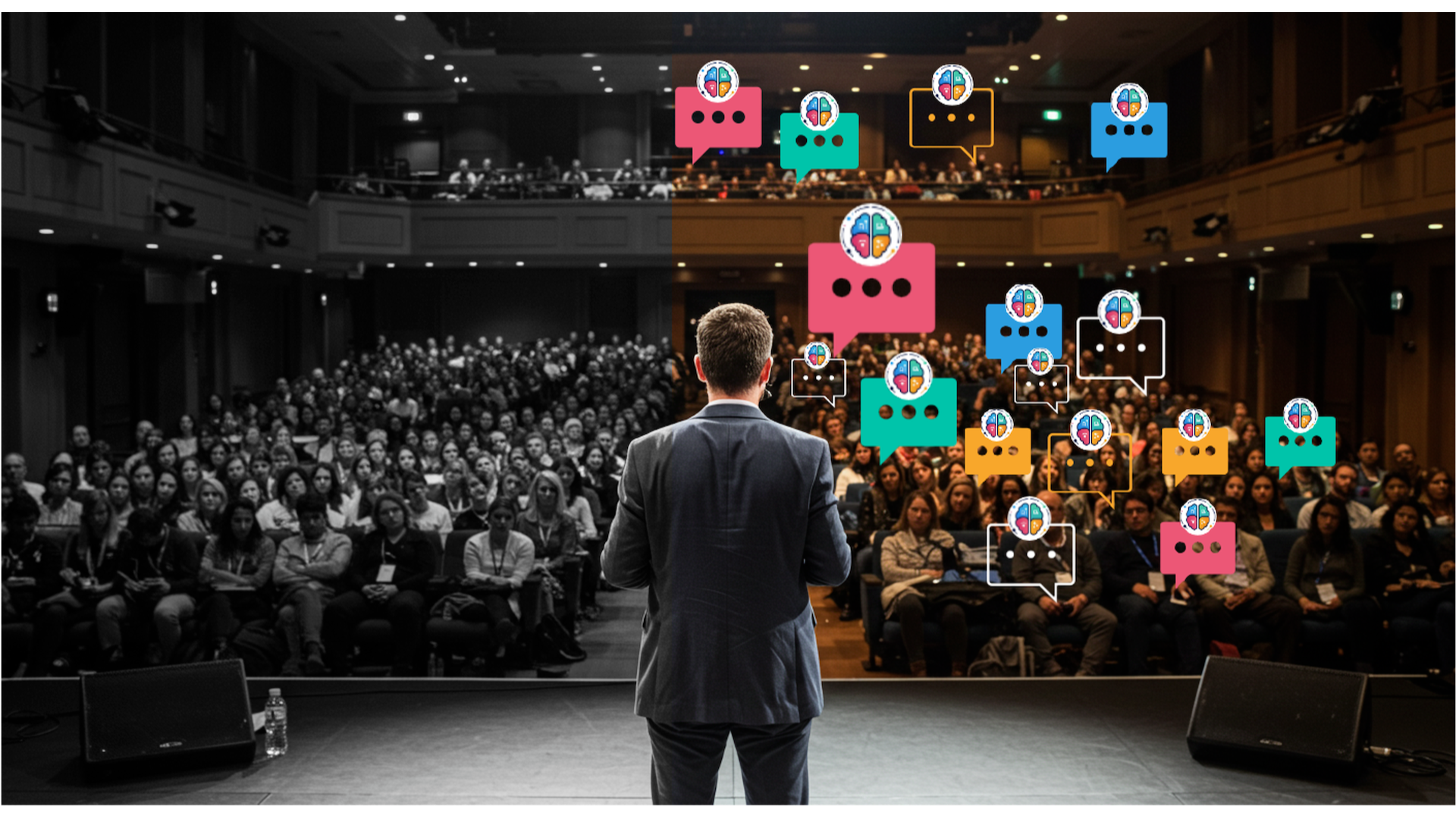
Those who have ever stood in front of a room—or a video screen—delivering a talk know the challenge. Even the most compelling content can be met with silence. Questions go unasked, attention drifts, and presenters often leave without knowing what resonated most.
It is, therefore, no surprise that interactive presentations consistently outperform passive ones: according to a 2024 report by Demand Metric, interactive content generates roughly twice the conversions compared to passive content. That’s a clear sign that audiences want more than a one-way lecture: they want dialogue.
Presenters face several common obstacles:
These issues are magnified at hybrid events, where in-person and online audiences expect equal access to participation.
For public speakers, corporate trainers, or event hosts, there are proven ways to create two-way conversations:
This is where artificial intelligence is making a difference. Tony Adams, CEO of PresEngage, developers of AI-driven co-presenter programs, says that rather than relying on multiple apps or juggling chat boxes, AI-driven tools now let presenters field questions in real time — directly from the audience — without breaking their flow. They can handle high volumes of questions, maintain consistency, and even generate analytics about what captured attention.
AI-powered engagement tools are already being used by educators, sales teams, consultants, and event organizers to bridge the gap between presenter and audience. They encourage quieter participants to join in, support multilingual audiences, and turn Q&A sessions into actionable insights that improve future talks.
Those planning a conference, webinar, or training session should consider integrating an AI-based co-presenter or other interactive platforms to reduce friction, boost participation, and capture valuable feedback. The right system can help you engage in real time, extend conversations beyond the event, and translate interest into measurable outcomes—all without adding to the on-stage workload.


