Hurricane season is here. Discover the most important steps Florida homeowners can take to protect their homes, avoid costly storm damage, and strengthen their hurricane preparedness before the next storm develops.
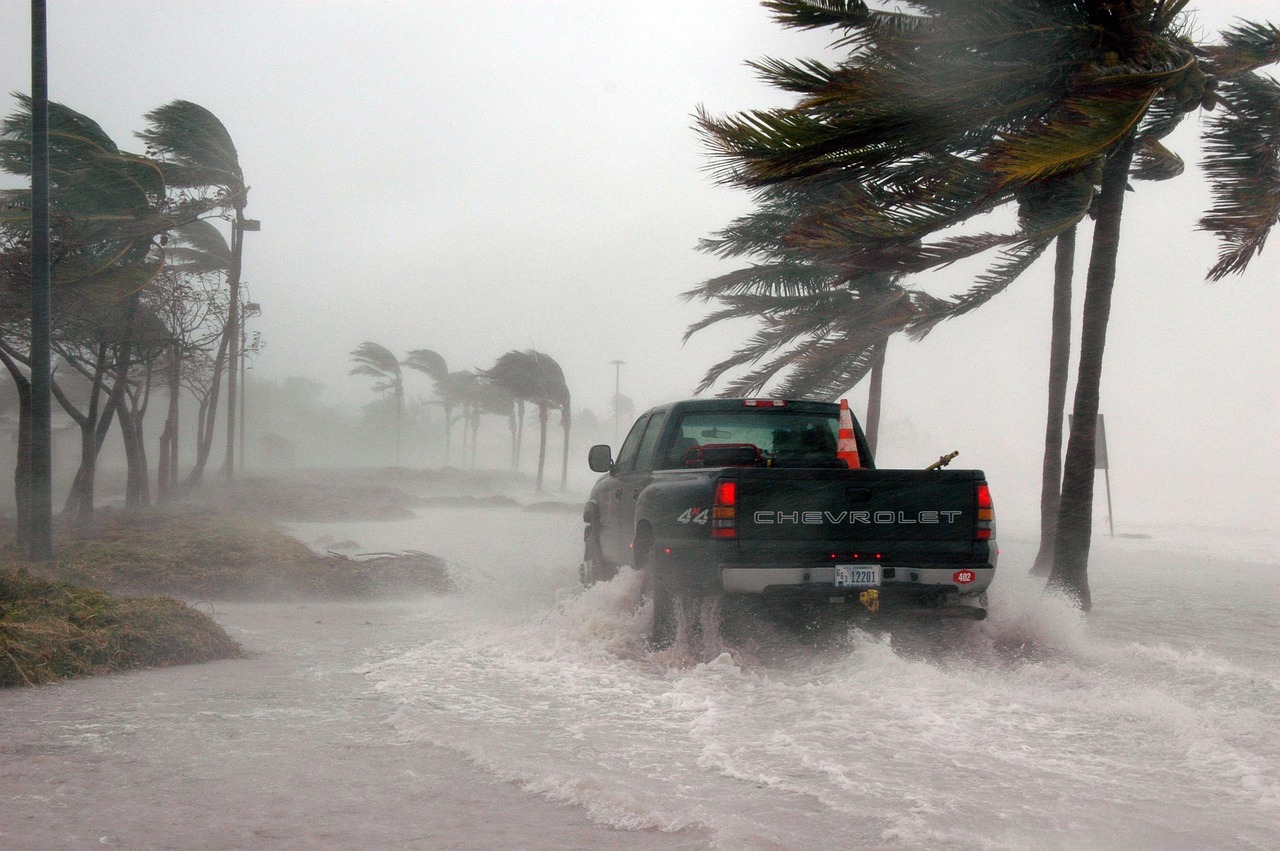
Hurricane season is already underway in Florida, but many homeowners don't start thinking about storm protection until a tropical system begins making headlines. The problem is that waiting until a storm is approaching can limit options, increase costs, and leave little time to address vulnerabilities around the home.
Preparing for a hurricane is a lot like buying insurance—you hope you won't need it, but you'll be glad it's in place if you do. Taking a proactive approach can help homeowners reduce risks, protect their property, and avoid scrambling when severe weather threatens the area.
One of the most effective hurricane preparedness steps is simply walking around your property and identifying vulnerabilities. Loose roof shingles, damaged siding, cracked windows, and aging doors can become weak points during high winds.
Pay special attention to trees and landscaping. Overhanging branches can break during a storm and cause significant damage to roofs, vehicles, and windows. Trimming trees before hurricane season begins is often one of the easiest and most cost-effective protective measures available.
Homeowners should also inspect fences, sheds, outdoor furniture, and decorative items. Anything that can become airborne during strong winds should be secured, stored, or reinforced.
Windows and doors are among the most vulnerable parts of a home during a hurricane. Once an opening is compromised, wind and water can enter the structure and increase the risk of additional damage.
Many Florida homeowners choose hurricane shutters, while others invest in impact-resistant windows designed to withstand flying debris. The right solution depends on the home's location, budget, and long-term goals, but the key is ensuring protection is in place before a storm develops.
Experts often recommend evaluating protection options well before hurricane season begins rather than waiting until demand spikes after a storm warning is issued.
A strong roof plays a critical role in protecting a home during severe weather. Even small issues can become major problems when exposed to hurricane-force winds and heavy rainfall.
Check for missing shingles, damaged flashing, or signs of leaks. Gutters and downspouts should also be cleared of debris so water can drain properly during intense storms.
Poor drainage can contribute to water intrusion around foundations and create additional repair costs after a hurricane passes.
Every household should maintain a hurricane emergency kit. While many people focus on food and water, it is important to think beyond the basics.
A well-prepared kit should include flashlights, batteries, medications, phone chargers, important documents, first-aid supplies, and enough essentials to support the household for several days.
Waiting until a storm is approaching often means dealing with crowded stores and limited inventory. Preparing supplies early helps avoid unnecessary stress during an already tense situation.
Many homeowners assume their insurance policy covers every type of storm-related damage. Unfortunately, that is not always the case.
Before hurricane season begins, review your policy carefully and understand what is covered. Pay attention to deductibles, exclusions, and flood-related provisions. If questions arise, contact your insurance provider for clarification.
Taking photographs of your property and valuable belongings can also make the claims process easier if damage occurs.
While emergency supplies and storm tracking are important, long-term home improvements can play a major role in hurricane preparedness.
Projects such as roof upgrades, reinforced garage doors, impact-resistant windows, and improved drainage systems can help reduce vulnerability during future storms. These improvements often provide benefits beyond hurricane season, including improved security, energy efficiency, and property value.
The experts at Impact Windows Center frequently note that homeowners are increasingly looking at storm protection as a year-round investment rather than a seasonal task.
One of the biggest mistakes homeowners make is assuming they have plenty of time to prepare. Hurricane forecasts can change quickly, and supply shortages often occur when demand suddenly increases.
Preparing your home before hurricane season reaches its peak allows you to make thoughtful decisions, schedule necessary upgrades, and address potential weaknesses without rushing.
For Florida homeowners, hurricane preparedness is not about expecting the worst. It is about reducing uncertainty and ensuring your home, family, and property are ready if severe weather arrives. A little preparation today can make a significant difference when the next storm is on the horizon.


