Newman University offers merit scholarships up to $20,0000, with its most valuable award requiring a second scholarship application with an early January deadline that can catch families off guard. Here’s the strategic timeline savvy parents use to maximize their student’s scholarship opportunities.
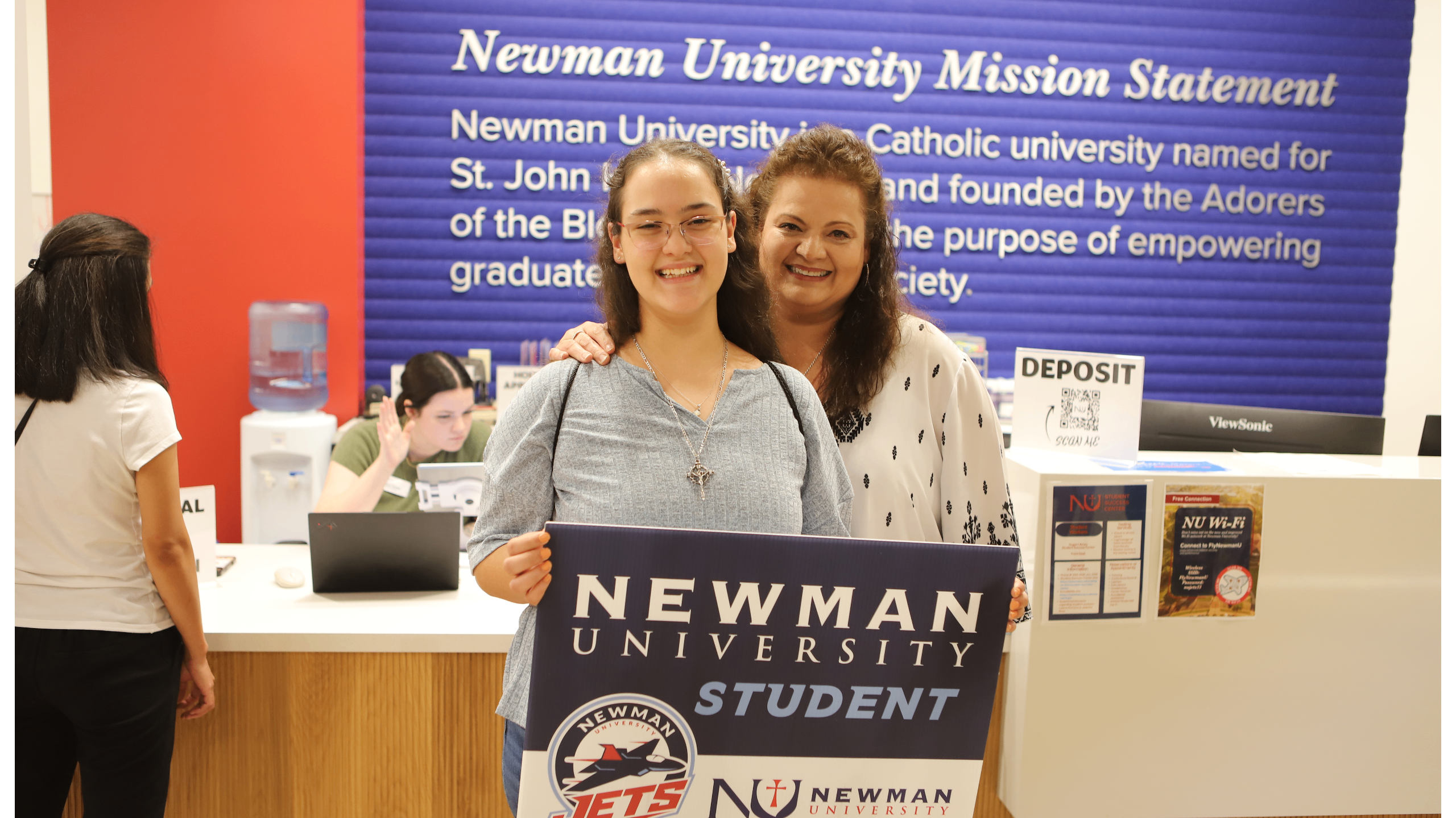
Navigating the college application process can feel overwhelming for parents watching their high schooler approach this major milestone. The key to reducing stress and maximizing opportunities lies in understanding the timeline and taking strategic steps at the right moments. From merit scholarships to application deadlines, each phase of the college journey presents specific opportunities that require thoughtful planning and timely action.
Newman University's application opens July 1st for fall 2026 admission, giving families an early start on securing their spot and scholarship consideration. The university offers substantial merit awards ranging from $10,000 to $20,000 annually for first-time students, with amounts determined through holistic review of academic achievements. Students need either a 2.25+ GPA or 21+ ACT score for automatic admission starting Fall 2026, though higher scores and grades unlock larger scholarship amounts.
Beyond standard merit aid, Newman provide its premium scholarship opportunity - the St. Newman scholarship. The St. Newman Scholarship is the most prestigious award at Newman, offering full tuition coverage for students who meet the criteria. This scholarship is highly competitive and considers factors such as academic performance, leadership skills, community engagement, and compatibility with Newman’s values. Successful applicants usually have excellent GPAs, high test scores (if provided), and a history of leadership roles in their school and community.
The application process includes a comprehensive written component exploring the student’s educational goals, leadership philosophy, and commitment to service. Selected finalists participate in an interview day on campus, typically scheduled in late January or early February. In 2026, interview days are set for January 17 and 24.
Preparing for this scholarship requires thoughtful reflection on how your student’s values align with Newman’s mission and how they envision contributing to the university community.
The McNeill Scholarship is a $20,000 per year award given to students who excel academically, show leadership potential, and are committed to service. Honoring our school’s first president, the Monsignor McNeill Scholarship is automatically awarded at the time of acceptance to students who self-report a 3.90 GPA or higher.
This scholarship is automatically renewable for up to 5 years/10 semesters total as long as the student maintains a 3.00+ GPA, completes 32 hours of community service each semester, and continues to enroll full time.
Named for and sponsored by the founders of Newman University, the Adorers of the Blood of Christ or “ASC” sisters, the ASC Scholarship is automatically awarded at the time of acceptance to students who self-report a 3.75-3.89 GPA.
This scholarship is automatically renewable for up to 5 years/10 semesters total as long as the student maintains a 2.50+ GPA, completes 45 hours of community service each semester, and continues to enroll full time. The ASC Service Scholarships are for high achieving students who are dedicated to community service and social justice initiatives, which are key values of Newman.
Encourage your student to highlight specific service experiences rather than listing general activities, focusing on depth of involvement and measurable impact rather than quantity of hours.
Newman University's admissions team provides personalized guidance throughout the application process, helping families understand how to position their student for maximum scholarship consideration.
The university's commitment to making private Catholic education affordable shows in their financial aid statistics - virtually all first-time students receive some form of financial assistance. This makes Newman an attractive option for families seeking quality education without overwhelming debt burdens.
Spring of junior year marks the ideal time for families to begin serious college discussions. Parents should initiate conversations about academic interests, career goals, and family budget expectations. Running net price calculators on various college websites provides realistic estimates of actual costs after financial aid, helping families set appropriate expectations early in the process.
These early conversations should cover preferences for school size, location, religious affiliation, and academic programs. Discussing whether the student thrives in large lecture halls or prefers smaller, discussion-based classes helps narrow the search. Parents who start these conversations early create space for thoughtful decision-making rather than rushed choices during senior year.
Campus visits provide invaluable insight into whether a school matches a student's needs and preferences. Newman University offers personalized on-campus visits where students meet with admissions counselors, tour facilities with student ambassadors, and connect with faculty in their intended major. These individualized experiences give families a genuine feel for campus culture and academic expectations.
Summer visits work well for initial exposure, but families should plan follow-up visits during the academic year when students are present. This allows prospective students to observe actual campus life, sit in on classes, and interact with current students. Newman also provides virtual visit options for families unable to travel, ensuring geographic distance doesn't prevent exploration.
Meeting with the high school counselor during junior year helps ensure students stay on track for graduation and college readiness. Counselors can identify any transcript gaps, suggest senior year courses that strengthen college applications, and provide insights about the student's academic standing relative to college admission requirements.
This meeting should cover graduation requirements, GPA trends, and course rigor. Counselors often have relationships with college admission representatives and can provide valuable insights about which schools might be good fits based on the student's academic profile and interests.
While Newman University operates as test-optional, submitting strong ACT or SAT scores can unlock higher merit scholarship amounts. Students should take practice tests to gauge their performance potential and determine whether test preparation and official testing align with their college goals. Strong test performance can significantly impact scholarship awards, making the investment in preparation worthwhile for many families.
Students who score well on practice tests should plan to take official exams during junior year or early senior year. This provides opportunities for retesting if needed while avoiding the stress of late senior year testing. Test-optional policies give families flexibility, but strategic testing can enhance financial aid packages substantially.
FAFSA preparation requires extensive financial documentation, so gathering these materials during junior year reduces October stress. Parents need tax returns, W-2 forms, bank statements, investment records, and Social Security cards. Creating a dedicated file for these documents ensures everything is readily available when the FAFSA opens.
Understanding the base year for financial aid calculations helps families make informed decisions about income timing and asset positioning. The base year runs from January of sophomore year through December of junior year, so families should be strategic about major financial moves during this period.
Newman's application opens July 1st, and early submission demonstrates strong interest while ensuring consideration for all scholarship opportunities. The university processes applications on a rolling basis, meaning earlier applicants often receive faster admission decisions and scholarship notifications. This early timeline reduces stress and provides families with concrete information for planning.
Students should complete their application thoroughly, ensuring all required documents are submitted properly. Requesting official transcripts early prevents delays, and having recommendation letters ready streamlines the process. Early application submission also allows time for any needed corrections or additional materials.
Fall campus visits provide the most authentic college experience since students are actively engaged in campus life. Families can observe actual class sessions, dining hall energy, residence hall dynamics, and extracurricular activities. Newman offers special Senior Day events and encourages prospective students to attend classes in their areas of interest.
These visits should include meetings with faculty members, current students in the intended major, and financial aid counselors. Staying overnight in residence halls, when possible, gives students genuine insight into campus living. Parents should encourage their students to ask detailed questions about academic support, campus safety, and post-graduation outcomes.
The FAFSA becomes available October 1st each year, and filing early provides access to the broadest range of financial aid options. Newman University's FAFSA code is 001939, and families should submit their application as soon as they complete their tax information. Early FAFSA submission is particularly important for need-based aid, which operates on a first-come, first-served basis in many cases.
Parents should expect to spend several hours completing the FAFSA thoroughly and accurately. Having financial documents organized in advance significantly speeds this process. The FAFSA determines eligibility for federal grants, work-study programs, and federal student loans, making accurate completion essential for comprehensive financial aid packages.
Newman's most prestigious scholarship, the St. Newman, requires a separate application with specific deadlines in early January. The St. Newman scholarship covers full tuition for academically exceptional students. Each academic year, 5 first-time students are offered the award. The McNeill scholarship provide $20,000 annually and offered to students at the time of acceptance to the university. These competitive awards consider academic achievement, leadership experience and community service.
Application requirements for the St Newman scholarship typically includes additional essays, recommendation letters, and interviews. Students should begin preparing these materials in November to ensure thoughtful, polished submissions. The investment in these applications can yield substantial financial returns, making them worth the additional effort for qualified students.
The Adorers of the Blood of Christ (ASC) service scholarships recognize students committed to community service and social justice. These $18,000 awards align with Newman's Catholic identity and mission, seeking students who demonstrate compassion and leadership in serving others. Recipients often continue their service work throughout college, creating meaningful campus engagement opportunities.
Students must receive admission to Newman University before applying for special scholarships, making early application submission crucial. This requirement ensures scholarship consideration flows to students who are genuinely committed to attending Newman. The timeline demands careful coordination between admission applications and scholarship deadlines.
Families should track both admission notification dates and scholarship application deadlines carefully. Missing the special scholarship deadline due to late admission application can cost students thousands of dollars in potential awards.
Financial aid packages typically arrive between January and March, allowing families time for careful comparison. Parents should calculate the true cost of attendance by subtracting grants and scholarships from the total cost, including room, board, fees, and estimated personal expenses. This net price comparison provides the most accurate picture of actual family investment.
Families should consider four-year projections, as some scholarships are renewable while others are one-time awards. Understanding renewal requirements, such as maintaining specific GPA levels or credit hour completion, helps families project total college costs accurately. Newman's renewable scholarships provide predictability for family financial planning.
April represents decision time for most families, with May 1st serving as the national enrollment deadline. Final campus visits should focus on remaining questions about academic programs, campus culture, and post-graduation support. These visits often include accepted student events, overnight programs, and opportunities to meet future classmates.
Students should trust their instincts about where they feel comfortable and supported. The "right fit" encompasses academic challenge, social environment, financial feasibility, and personal growth opportunities. Parents can provide guidance while encouraging their student to make the final decision about their college home.
Once students submit their enrollment deposits, housing applications become the next priority. Many colleges, including Newman, offer roommate matching services based on lifestyle preferences, study habits, and interests. Some students prefer to connect with potential roommates through social media groups or admitted student platforms.
Housing deposits and applications often require early submission to secure preferred residence hall locations. Parents should review housing costs, meal plan options, and residence hall policies with their students to make informed choices about the living environment that best supports academic success.
Newman's Flight Nite overnight experience gives incoming students a final opportunity to experience campus life before enrollment. This program includes residence hall stays, class previews, and social activities with current students and incoming classmates. The experience often solidifies students' excitement about their college choice while building early friendships.
Newman provides opportunities for students and families talk with academic advisers and register for classes through a series of events in the Spring semester and during summer months.
During their college career, Newman students benefit from the Navigator program, a unique four-year career development initiative, beginning with freshman orientation and continuing through graduation. Early registration ensures students can access career planning resources, internship opportunities, and professional development workshops throughout their college experience.
The college application process involves numerous deadlines, requirements, and decisions that can overwhelm even organized families. Newman University's admissions counselors provide personalized guidance throughout this journey, helping families understand requirements, meet deadlines, and make informed decisions. Their expertise ensures families don't miss opportunities or make costly mistakes during this critical time.
From initial campus visits through final enrollment decisions, Newman's team maintains ongoing communication with families. They can clarify scholarship requirements, explain financial aid packages, and connect families with appropriate campus resources. This personalized support distinguishes Newman's approach from larger institutions where students might feel lost in the process.
The college search and application process represents a significant family investment of time, energy, and financial resources. Following a structured timeline, starting early, and leveraging expert guidance creates the best opportunities for academic and financial success. Newman University's comprehensive support system helps families navigate this complex process with confidence and clarity.
For families ready to begin their college journey, Newman University provides the personalized guidance and academic excellence that prepares students for meaningful careers and lives of service.


