Teachers in Aurora identify ten key developmental markers that signal preschool readiness, from emotional regulation to social curiosity. Recognizing these signs helps parents time enrollment strategically, setting children up for classroom success rather than early academic struggles that can persist for years.
East Aurora School District 131's latest Illinois Report Card revealed chronic absenteeism rates above 30 percent and academic proficiency lagging behind state averages. These struggles often trace back to gaps that form long before kindergarten begins.
Aurora-based teachers from Balance Early Learning Academy now emphasize that strong preparation in the preschool years shapes whether children thrive or flounder once formal schooling starts. Specific developmental markers signal readiness, and recognizing them helps parents time enrollment strategically rather than guessing based on age alone.
Moving from home to a classroom introduces routines, group dynamics, and expectations unlike anything most young children have experienced. Without certain foundational skills, kids face unnecessary frustration that shows up as school avoidance, peer conflicts, or resistance to learning activities.
Readiness extends well beyond knowing letters or numbers. Social comfort, emotional control, and physical independence all determine how smoothly a child adapts. When these pieces align, learning becomes an adventure instead of a daily battle.
Being able to communicate needs, thoughts, and feelings verbally ranks among the most reliable readiness indicators teachers mention. Look for children who move beyond single words, using language to ask questions, describe events, or explain what they want. Perfect grammar matters less than functional communication that lets teachers understand requests without constant guessing.
Frustration builds quickly for kids who struggle to make themselves understood while teachers juggle multiple students. Articulating basics like "I need help" or "Can I have water?" reduces stress on both sides. This foundation supports more complex interactions as classroom demands increase.
How a child responds to peers reveals social awareness that directly affects classroom adjustment. Interest can look like attempting parallel play, asking about what another child is doing, or simply watching others with curiosity rather than fear. Even quieter kids demonstrate readiness through attentive observation and occasional attempts to connect.
Classrooms revolve around shared experiences, from circle time to group projects. Children who find peers interesting rather than threatening settle into this rhythm faster. Those who consistently avoid others or show distress when approached often benefit from waiting until social comfort develops further.
Understanding and responding to simple directions reflects cognitive growth and impulse control that educators consider essential. Ready children typically process requests like "put the blocks away" or "sit at the table" without needing multiple repetitions or physical guidance every single time.
This skill goes deeper than obedience. It shows a child can hold information briefly, connect words to actions, and pause impulses long enough to complete tasks. Teachers expect imperfect compliance, but consistent inability to follow any directions suggests more developmental time is needed.
Physical independence in daily tasks dramatically affects classroom comfort levels. Several abilities support participation without constant adult intervention:
Perfection isn't required, but handling fundamental personal care reduces stress and creates space for learning. Kids needing intensive one-on-one assistance for basic needs struggle to engage fully in classroom activities.
Curiosity drives engagement in ways direct instruction never can. Children who wonder how things work, explore their surroundings, or focus intently when adults explain new concepts show the motivation that fuels learning. Sometimes curiosity appears as constant questions, other times as careful observation or hands-on experimentation.
Educators value this quality because curious kids engage actively with materials, participate in discussions, and persist through challenges. Indifference to the world or lack of interest in new experiences suggests a child may not yet benefit from enriched preschool environments.
Sustaining attention on a single activity, even briefly, indicates developing skills critical for classroom participation. Teachers watch for engagement with activities like blocks, picture books, or simple puzzles for at least a few minutes without constant redirection. Extended focus isn't expected since young children naturally shift between interests.
Complete inability to maintain attention on any task often signals premature enrollment timing. Preschool days include circle time, stories, art projects, and other activities requiring group focus. Children showing even emerging attention control adapt more successfully to these structured routines.
Managing feelings represents one of childhood's toughest challenges, yet some emotional regulation proves essential for preschool success. Tantrums and frustration occur naturally at this age. Teachers look for signs of developing coping skills like taking deep breaths when upset, accepting adult comfort, or beginning to use words instead of immediately escalating physically.
Recovery matters more than perfection. Children who calm down with support and bounce back from disappointments navigate social complexities more effectively than those who remain dysregulated for long stretches. Classrooms provide opportunities to strengthen these skills, but baseline capacity helps children access learning rather than spending energy managing overwhelming emotions.
Physical development directly impacts participation in classroom activities. Fine motor control, like holding crayons, manipulating small objects, or turning pages, enables art projects, early writing, and hands-on learning materials. Gross motor abilities, including running, jumping, climbing, and balancing, allow safe participation in outdoor play and movement activities, filling preschool days.
Advanced skills aren't necessary, but age-appropriate motor control prevents constant frustration or safety concerns. Physical confidence opens access to the full range of classroom experiences.
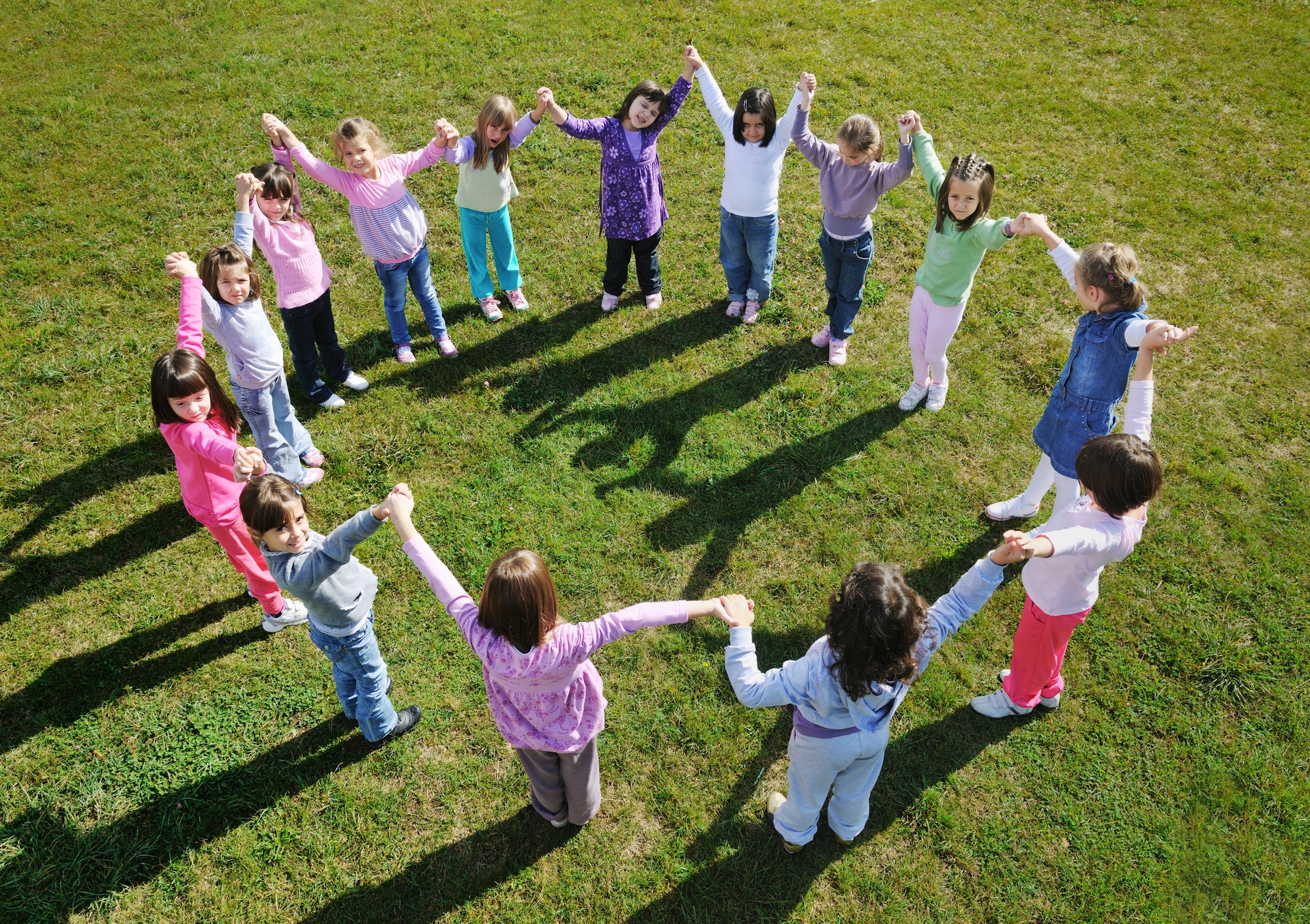
Comfort with group experiences like singing songs together, playing simple games, or listening to stories indicates readiness for collaborative learning. Children showing interest in being part of groups, even without always actively participating, demonstrate social ease that smooths classroom transitions.
Consistent resistance or distress during any shared activity may signal a need for additional time. Building social confidence before enrollment makes preschool positive rather than stressful.
Managing separation from primary caregivers for short periods without prolonged distress marks crucial readiness. Experience with babysitters, relatives, or temporary separations that children handle with reasonable calm demonstrates the emotional security needed for regular preschool attendance.
Some initial adjustment anxiety is normal. Extreme separation difficulty persisting despite support suggests that gradual preparation through shorter separations before committing to regular attendance makes more sense.
Parents can actively support readiness development when children haven't yet hit certain markers. Daily reading builds language skills and attention while creating conversation opportunities. Consistent routines for meals, sleep, and activities help children develop an internal structure that makes classroom schedules easier.
Regular playdates or small group activities provide social practice in lower-pressure settings. Encouraging independence by letting children attempt self-care tasks, even when adult help would be faster, builds both confidence and capability. Simple learning games involving counting, colors, or shapes introduce early concepts through play.
Conversations with early childhood educators provide personalized assessment when parents feel uncertain about timing. Programs focused on child development often offer consultations helping families determine optimal enrollment based on individual patterns rather than age alone. Some children develop readiness indicators earlier than typical timelines, while others need additional months or even a year, and neither pattern predicts future success.


