Choosing between power washing and soft washing can save your home’s exterior or damage it. Learn which cleaning method works for your siding, roof, deck, and driveway, plus when professionals recommend one technique over the other.
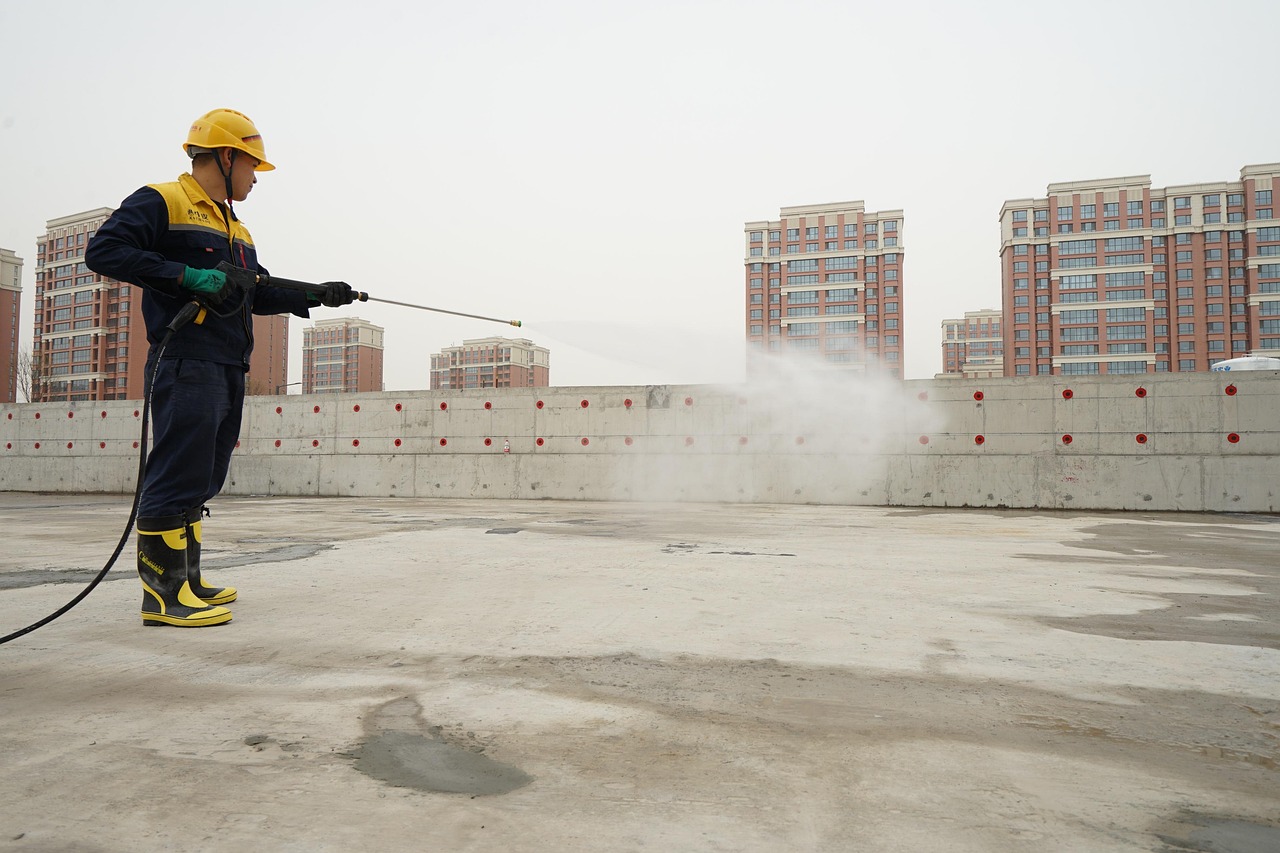
Your neighbor’s house looks like it just got a facelift—the siding sparkles, the driveway looks brand new, and you want the same results, so you rent a pressure washer and blast away at your own home. Three days later, paint peels near the windows, water stains appear on your ceiling, and your deck boards look fuzzy and splintered. What happened? You picked the wrong cleaning method for your surfaces.
You stand in your driveway staring at green algae creeping up the siding, black streaks running down from the roof, and a deck that looks gray and weathered. Something has to change.
The hardware store rents pressure washers, your buddy swears by his setup, and YouTube makes it look simple, yet those videos don’t show the homes ruined by blasting 3,000 PSI on materials that can only handle 500. Pressure washing and soft washing both clean exteriors but in different ways, and knowing which suits each surface saves money and prevents costly repairs. Monmouth County, NJ-based cleaning company Affordable & Professional explains the benefits and best uses of each method to help you choose the right approach for your property's exterior.
Power washing shoots water at 1,300 to 3,000 PSI, stripping dirt and stains from hard surfaces.
Most rental units lack fine control, so one wrong angle can drive water under siding or into electrical boxes.
Soft washing uses 500 PSI or less—about the same as a garden hose—while relying on cleaning solutions to break down dirt, mold, and algae at the molecular level. The solution sits for 10 to 20 minutes, then gets rinsed away with low-pressure water, no scrubbing or blasting needed.
Soft washing results typically last four to six times longer than power washing because the solution prevents regrowth even after rinsing.
Power washing rentals cost $40 to $100 per day. Soft washing requires more expensive solutions, but stays effective for 12 to 18 months, compared to three to six months for power washing. Repair costs can also quickly change the equation, with siding replacements costing $5,000 to $15,000 and new roofs $8,000 to $20,000, while professional cleaning services are only a fraction of that.
Experienced technicians know which method suits each surface, carry insurance that covers accidents, and use equipment with multiple settings and safety gear. With decades of experience, they’ve seen every material and stain, know which solutions target which algae, and understand local building materials. Many even work on a “pay when satisfied” basis.
Walk your property and list surfaces by material. Hard surfaces like concrete, brick, and stone can handle power washing; everything else usually needs soft washing, and roofs always require it.
Decide if you want a quick clean or longer-lasting results, then contact local services, ask about their experience, request examples, and verify insurance and guarantees. Property managers and HOAs rely on professionals for consistency, and your home deserves the same.
The right cleaning method protects your investment and delivers the results you want. Your neighbor’s sparkling house didn’t happen by accident—it happened because someone chose the correct technique for each surface.
Vinyl siding requires 500 PSI or less to avoid damage. Higher pressure can crack the material or force water behind panels into your wall cavities. Soft washing with appropriate cleaning solutions produces better results than high-pressure methods.
Roofs typically need cleaning every 12 to 18 months in humid climates. Black streaks indicate algae growth that continues spreading. Soft washing eliminates these organisms and prevents regrowth longer than power washing. Regular maintenance extends shingle lifespan.
Wood decks should not be power washed at high pressure. The force splinters wood fibers and damages the surface. Use soft washing or low-pressure cleaning around 500 PSI. This approach cleans effectively while preparing wood for staining or sealing.
Local exterior cleaning companies serve residential and commercial properties throughout the area, handling everything from power washing to soft washing based on your specific needs.


