Choosing the wrong portable oxygen concentrator can impact your daily routine and health outcomes. While pulse dose units are perfect for portability, there’s one crucial factor that decides whether they’ll truly meet your medical needs.
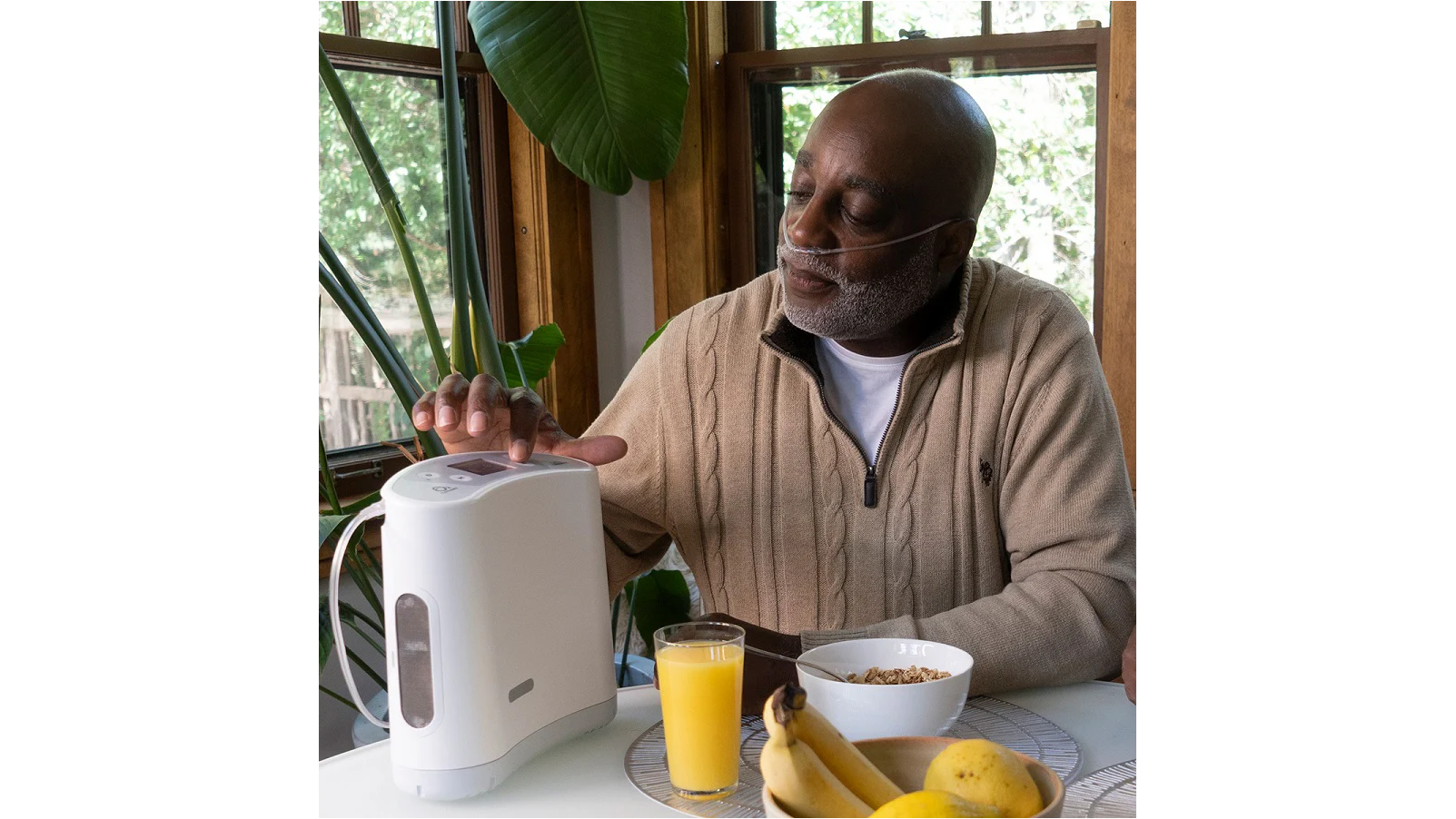
Choosing between a pulse dose and a continuous flow portable oxygen concentrator can feel overwhelming, especially when your daily comfort depends on getting it right. The good news? Neither option is universally "better." Both are built for different needs, and understanding how they work can make the choice a lot easier.
At the heart of it, it's all about how the oxygen reaches you.
Pulse dose concentrators deliver short, targeted bursts of oxygen, but only when they detect you inhaling. It's a smart, on-demand system that helps conserve both oxygen and battery life.
Continuous flow, on the other hand, works like a gentle fountain. It delivers a steady stream of oxygen (measured in liters per minute), whether you're inhaling or not. This ensures consistent support, but usually means more power usage and slightly bulkier devices.
Once you know how each system works, the "right" choice starts to become clearer. It really depends on how you live, move, and breathe. For personalized guidance, companies like Main Clinic Supply help patients match the right concentrator to their lifestyle and medical needs.
Because of their smart, on-demand delivery, pulse dose models don't have to run constantly, which opens up serious portability perks. Many weigh under 5 pounds, with some clocking in at just 2.8 pounds (depending on the battery setup). For example, the Inogen Rove 6 weighs 4.8 pounds with its standard battery (5.8 pounds with the extended battery). With its extended battery on Setting 1, it can run for up to 12 hours and 45 minutes. Actual runtime will vary based on your activity and breathing rate, but that's a full day's worth of oxygen for many users.
Instead of a steady stream, these devices release a quick burst of oxygen, but only when you inhale. A built-in sensor detects the pressure shift in your nasal cannula and delivers a perfectly timed "bolus" of concentrated oxygen. Nothing gets wasted during exhalation. This efficiency becomes a game-changer if you're out all day and don't want to worry about recharging.
The latest pulse dose concentrators don't just react; they adapt. As your breathing rate increases with activity, the device adjusts the oxygen output to keep up. No fiddling with settings. No interruptions. Just seamless support from rest to movement.
A lot of users also find this synchronized delivery more comfortable, especially during the day, since oxygen arrives exactly when it's needed.
For some patients, oxygen is critical. That's where continuous flow portable concentrators come in. These devices deliver a steady stream of oxygen, no matter how you're breathing, making them essential for users with more advanced or unpredictable respiratory conditions.
Unlike pulse dose models that wait for you to inhale, continuous flow units don't rely on breath detection. They deliver oxygen continuously, even if your breathing is shallow, irregular, or affected by stress, illness, or fatigue. That makes a major difference for users who can't afford a gap in oxygen delivery. The flow stays consistent, which helps maintain prescribed oxygen levels without interruption.
Sleep changes everything, including how you breathe.
During rest, our breathing naturally becomes slower and less predictable. For some users, this can confuse pulse dose sensors and lead to missed oxygen delivery. Continuous flow devices don't rely on triggers, so they're often the safer option overnight.
They're also the only choice for people using CPAP or BiPAP machines for sleep apnea. These POCs push air constantly, which prevents pulse dose sensors from working properly. Continuous flow concentrators work alongside them with zero issues, delivering oxygen as needed while your sleep therapy runs.
Continuous flow units use the standard LPM (liters per minute) measurement; the same one healthcare providers have relied on for decades. This gives doctors and patients confidence that dosage is consistent and easy to manage.
Pulse dose settings, by comparison, can vary significantly between brands. A "Setting 2" on one device may not match a "2" on another, which is why many patients and providers prefer continuous flow when treatment precision is a must.
Pulse dose units are built for freedom. Lightweight and efficient, they're easy to carry and can often run for hours without needing a recharge. That makes them a favorite for active users who don't want to be tied down by heavy equipment. But this mobility comes with limits. Pulse dose models may not meet the needs of patients who require uninterrupted oxygen flow, especially during sleep or periods of respiratory instability.
Continuous flow models go in the other direction. Most weigh between 10 and 20 pounds and usually need a wheeled cart. They burn through battery faster due to constant operation, so backup batteries are a must if you're planning a longer trip.
For example, the O2 Concepts Oxlife Independence, with its dual battery configuration, delivers continuous flow from 0.5 to 3 LPM. In pulse mode (Setting 2), the battery can last up to 6 hours. But when running continuous flow at 2 LPM, that drops to around 2.4 hours, which is a big difference for anyone on the move.
Some research has shown that pulse dose oxygen can maintain arterial saturation during exercise as effectively as continuous flow in some COPD patients. But here's the thing: real-world performance varies. A lot. What works for one person might not work for another. Especially during high-intensity activity, pulse dose models might struggle to keep up depending on your breathing pattern, exertion level, and oxygen needs.
That's why many users keep a pulse oximeter handy to track saturation levels, and why talking to your doctor before choosing a device is essential.
This isn't one-size-fits-all. Your doctor will determine what oxygen flow rate you need, based on how your body responds at rest and during activity. That prescription will guide whether a pulse dose device is enough, or if you need the consistency of continuous flow.
Don't forget to mention how your days usually look: Are you on your feet a lot? Do you nap or sleep with a CPAP? All of these details matter when choosing the right type of concentrator.
If you're hoping to travel, make sure your device is FAA-approved for in-flight use. The FAA doesn't allow liquid or compressed oxygen on board, so portable concentrators are your only option.
Airlines like American and Delta accept any POC that clearly shows manufacturer labeling confirming FAA compliance. For example, the ARYA Mini (3.3 lbs, up to 7.2 hours battery life) is one such travel-friendly option. But always double-check your airline's list before booking.
The cost of a concentrator goes beyond the upfront price tag. Insurance may cover some or all of the cost if your device is medically prescribed, but coverage can differ depending on the device type and your provider.
Then there's upkeep. Pulse dose models often need less maintenance since they only run when you're inhaling, while continuous flow devices may need more frequent filter changes due to constant operation. Also consider accessories: spare batteries, carrying cases, chargers, and potential repair fees.
There's no "best" answer here, and that's okay.
If you're active with stable oxygen needs, a pulse dose concentrator might give you the freedom and battery life you're looking for. But if your doctor recommends consistent oxygen, especially overnight or with a CPAP, a continuous flow unit may offer the stability you need. Neither is "better." The best device is the one that fits your body, your lifestyle, and your prescription without compromising on safety or quality of life.
Before making a decision, talk honestly with your doctor about your routines, activity level, and any other equipment you use. You can also try different models in-person or speak to a respiratory equipment specialist to get a feel for what fits.
Professional providers like Main Clinic Supply offer expert consultations and personalized oxygen therapy solutions to help you choose with clarity.


