Porcelain and ceramic tiles each have pros and cons for bathroom renovations. Porcelain offers superior durability and water resistance, while ceramic is more affordable and design-friendly. Choosing the right tile depends on your budget, space, and long-term performance needs.
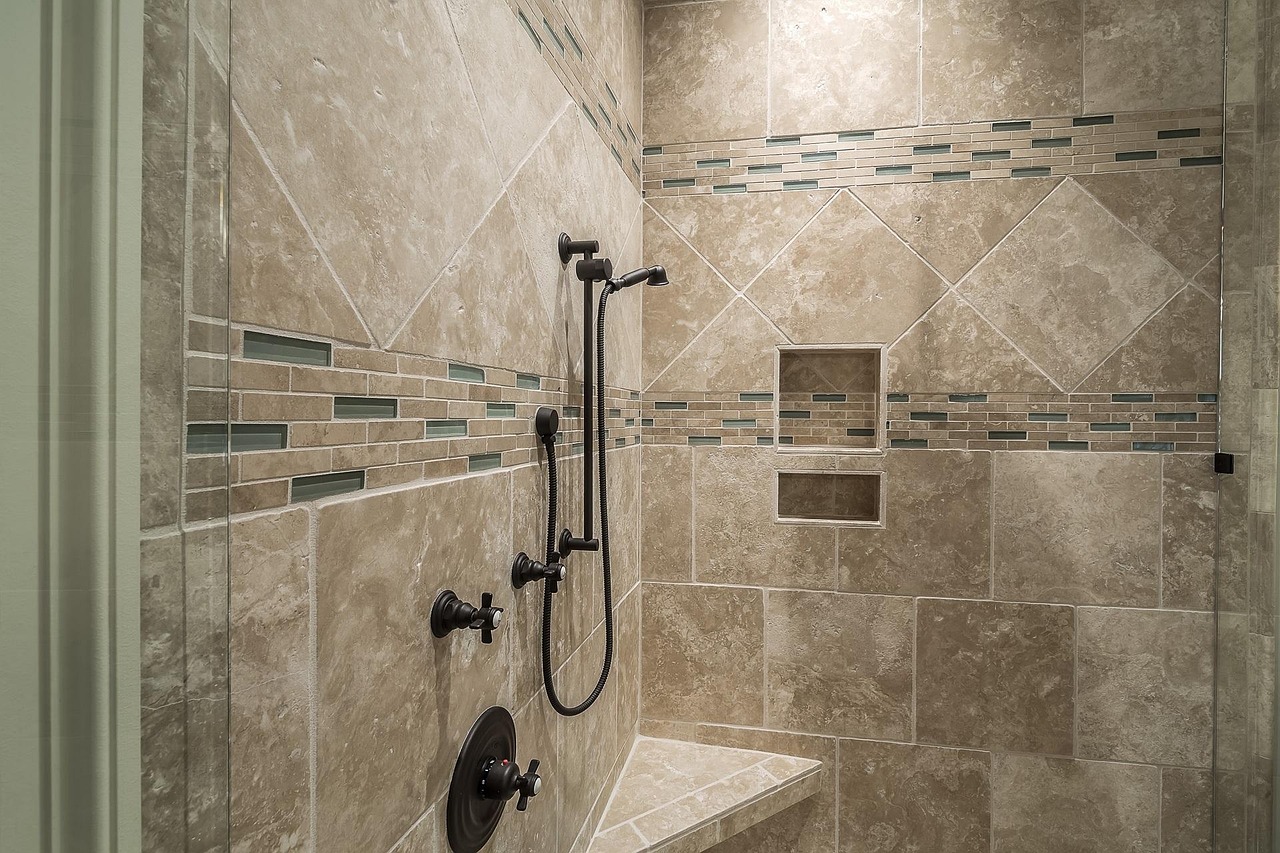
is one of the most impactful upgrades you can make to your home. But when it comes to choosing tiles, the debate often narrows down to two popular contenders: porcelain vs ceramic. They may look similar on the surface, but beneath the glaze, they’re very different materials — and those differences matter.
If you're deciding which tile to use for your bathroom renovation, this no-fluff breakdown from New Jersey home renovation company All Star Tile Setter will help you choose the best option for your style, budget, and lifestyle.
Porcelain and ceramic tiles are both made from clay and fired in a kiln. But the type of clay, the temperature of the kiln, and the manufacturing process set them apart.
That difference in density affects nearly every aspect of their performance, especially in a high-moisture, high-traffic space like a bathroom.
Let’s start with what matters most in bathrooms: moisture resistance.
Porcelain tiles have a water absorption rate of less than 0.5%, making them nearly waterproof. That’s why they're rated for both indoor and outdoor use, including wet areas like showers, steam rooms, and bathroom floors.
Ceramic tiles, on the other hand, are more porous. They’ll hold up fine in dry bathroom areas like walls and backsplashes, but over time, moisture can seep in and lead to damage if not properly sealed.
Bottom line:
If you’re tiling a shower, floor, or anywhere that gets wet regularly, porcelain is the better, longer-lasting choice.
Porcelain isn’t just more water-resistant — it’s also tougher. Its higher density makes it more resistant to scratches, chips, and cracks. That makes it ideal for high-traffic bathrooms, kids' bathrooms, or homes with pets.
Ceramic is softer and more prone to wear and tear. Drop a heavy shampoo bottle on ceramic tile, and it might crack. Do the same on porcelain, and it’ll likely hold up.
The trade-off?
Porcelain is harder to cut, which can increase labor time and cost during installation. But once it's in, it's there to stay.
This is where ceramic tiles claw back some ground.
Because ceramic is easier to work with, it’s more commonly available in intricate designs, patterns, and textures. If you’re going for a bold or vintage aesthetic — think colorful Moroccan motifs, hand-painted tiles, or a playful checkerboard — ceramic offers more variety and often at a lower price point.
Porcelain tiles are catching up in terms of looks, especially with the rise of high-definition inkjet printing. You’ll find porcelain that mimics wood grain, marble, concrete, and stone — often indistinguishably so. But the style range is often more conservative, and prices can climb quickly.
Summary: Go porcelain for sleek, modern, or high-end looks. Choose ceramic if you want color, character, or something custom — especially on walls or less-trafficked surfaces.
On average:
Installation costs also tend to be higher for porcelain due to the extra labor involved in cutting and handling the tougher material.
If you're doing a budget bathroom reno or tiling a large space, ceramic is a great way to save money without sacrificing style — as long as it's not a high-moisture or high-impact zone.
Both ceramic and porcelain are relatively low maintenance — a major reason they're so popular in bathrooms.
However, because ceramic is more porous, it can stain more easily over time if not sealed properly. Porcelain's dense surface is more stain-resistant and requires less frequent sealing, especially for unglazed or matte-finish tiles.
Grout lines will still be your biggest maintenance headache, no matter which tile you choose. Use a good grout sealer and consider larger tiles to reduce the number of grout lines you have to clean.
If you’re thinking about a DIY install, ceramic is the safer bet.
Even for professional installs, ceramic usually takes less time and effort, which translates to lower labor costs.
So, unless you're working in a space where porcelain's benefits are a must (like a shower floor), ceramic can save time and money on installation.
If you’re renovating with an eye on resale, porcelain may give your bathroom a slight edge. Its durability, waterproofing, and luxury look can be attractive to potential buyers. It’s also a selling point in high-end or modern homes.
That said, if the tile is installed cleanly and fits the overall style of the space, most buyers won’t care whether it’s porcelain or ceramic — they’ll care more about how it looks and how new it is.
Who says you have to pick one? Many smart bathroom designs use porcelain for function and ceramic for flair. For example:
This combo gives you the best of both worlds: performance where you need it and personality where you want it.
There’s no one-size-fits-all answer. The “best” tile depends on your space, your style, and how you use your bathroom. But now that you know the real differences between porcelain and ceramic, you can make a choice that looks great, lasts long, and fits your budget.
Ready to transform your bathroom? — and don’t forget the grout.


