Hidden leaks destroy homes silently while homeowners sleep, unaware of the damage spreading through walls. Recognizing the difference between annoying drips and true disasters protects your family’s safety and saves thousands in preventable repairs.
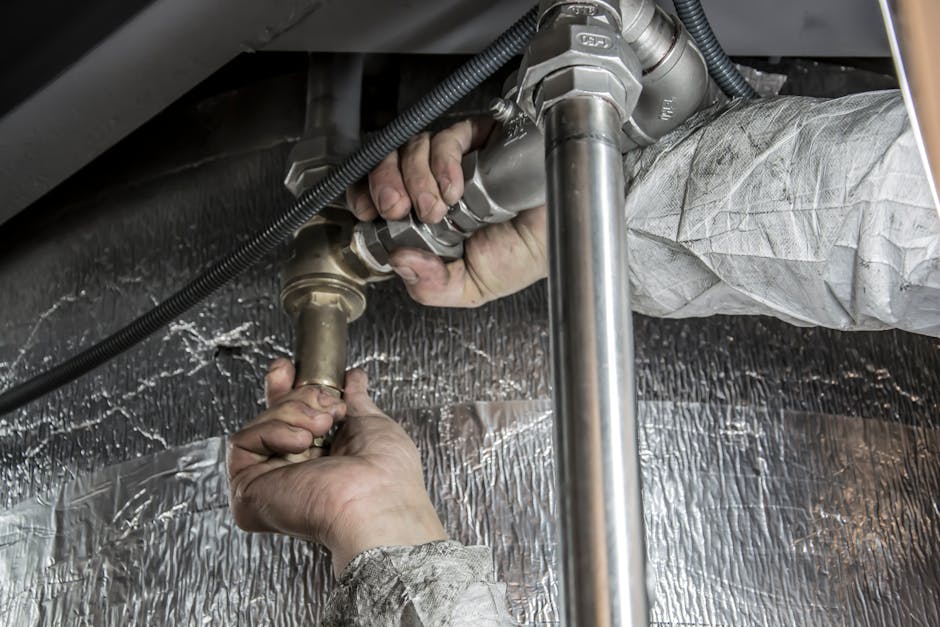
A burst pipe releases enough water to flood your entire first floor in just one hour. Water damage destroys homes faster than most people realize, and professional emergency response makes the difference between minor repairs and total disaster, says a Utah-based plumber from Stallion Plumbing and Drains.
Most homeowners ignore gurgling drains and small water stains until major flooding forces them to act. These warning signs always point to bigger problems hiding in your walls and pipes. Here's what every homeowner needs to know about spotting and handling true plumbing emergencies.
That tiny leak behind your bathroom wall has been dripping for weeks, slowly rotting the wood frame and growing black mold. By the time you see the water stain on your ceiling, the damage has spread through multiple rooms. Insurance companies often refuse to pay for damage from slow leaks because homeowners should have caught them earlier.
Your home's plumbing system connects everything, so one broken part affects all the other pipes and fixtures. Water from a burst pipe in your attic flows down through walls, ruins insulation, and destroys electrical systems. Raw sewage backing up through drains brings dangerous bacteria that make your whole family sick without quick professional help.
Frozen pipes wait until they thaw to burst open and flood your home with thousands of gallons of water. The water destroys carpets, hardwood floors, drywall, and anything else in its path before you find the shutoff valve.
Burst pipes happen when temperature changes cause metal to expand and contract until stress cracks suddenly split wide open. Main water line breaks cut off your water completely or flood your yard with an unstoppable river of wasted water. These emergencies need professionals with the right tools and parts to stop the damage and restore your water service.
Sewer backups push toilet water and waste up through every drain in your house, creating a disgusting and dangerous mess. The contaminated water carries bacteria and viruses that cause serious illness through skin contact or breathing the fumes. When multiple drains back up at once, your main sewer line has a blockage that only professional equipment can clear.
Gas leaks near water heaters release deadly carbon monoxide that puts your family to sleep forever without any warning signs. Natural gas smells like rotten eggs, but leaks in crawl spaces or basements often go unnoticed until they explode. Professional plumbers have special detectors that find gas leaks before they hurt anyone and fix them following safety codes.
Complete water pressure loss means frozen pipes about to burst, broken water mains, or serious problems with your municipal water supply. Low pressure in every faucet suggests hidden leaks that waste water while destroying your home's structure from the inside out. Banging pipes and whistling sounds warn that pressure problems will soon cause pipes to burst without professional repairs.
Water stains on walls and ceilings mean leaks have been destroying your home for days or weeks already. Puddles around water heaters, toilets, or under sinks show that seals and connections are failing and about to break completely. Brown or rusty water coming from faucets means your pipes are corroding from the inside and will soon start leaking.
Multiple drains backing up together always means your main sewer line needs emergency cleaning before waste floods your home. Water pooling in your yard when it hasn't rained indicates underground pipe breaks that will only get worse over time. Moisture on walls or floors with no obvious source suggests pipes leaking inside the walls where you can't see them.
Sewage smells coming from drains mean sewer gas is leaking into your home and making the air dangerous to breathe. The rotten egg smell near appliances signals gas leaks that could explode or poison your family while everyone sleeps. Musty, moldy odors tell you that hidden water damage has been growing toxic mold for weeks or months already.
Gurgling sounds from toilets and drains happen when your sewer line starts backing up, but hasn't overflowed yet. Whistling or banging noises mean water pressure problems that stress pipes until they crack and flood your home. Running water sounds when nothing is turned on reveal hidden leaks wasting hundreds of gallons while rotting your home's structure.
Find your main water shutoff valve today and make sure everyone in your family knows where it is and how to use it. Turning off this valve stops burst pipes from flooding your home while you wait for emergency plumbers to arrive. Each toilet, sink, and appliance also has its own shutoff valve that you can use for smaller leaks in specific areas.
Turn off the electricity to flooded areas at your breaker box because water and electricity create deadly combinations that kill people instantly. Never walk through standing water near outlets or electrical panels without turning off the power first to stay safe. Professional plumbers know how to work safely around water and electricity using proper protective equipment and procedures.
Move furniture, electronics, and important items away from leaks to prevent more damage while help comes to fix the problem. Put buckets under active leaks and use towels to keep water from spreading to other rooms and causing more damage. Take pictures of all damage for insurance claims before cleaning anything up or throwing away damaged items from the flooding.
Call your insurance company immediately to report the damage and start your claim process before attempting any repairs yourself. Document everything that happens, including when you noticed the problem, what you did, and who you called for help. Keep all receipts from emergency repairs, temporary housing, and damaged property replacement for your insurance claim later.
Professional plumbers inspect your entire system once a year to find small problems before they become expensive emergencies. They check for weak pipes, worn fixtures, and tiny leaks that you would never notice until major damage occurs. Regular drain cleaning prevents clogs that cause sewage backups by removing grease, hair, and debris that build up in pipes.
Water heater maintenance every year prevents tank failures that flood basements with scalding water and leave families without hot water. Replacing old supply lines to toilets and sinks costs much less than repairing water damage from burst hoses. Installing water alarms near appliances gives you early warning when leaks start, before major flooding destroys your home.
Winterizing pipes before cold weather prevents frozen pipe disasters that destroy homes during the worst possible weather conditions. Professional plumbers know which pipes need insulation and how to protect your plumbing from temperature extremes all year long.
Your home faces serious threats from burst pipes, sewer backups, and other plumbing emergencies that strike without warning. Quick action and professional emergency plumbing services prevent small problems from destroying your entire house.