Feed a crowd affordably with pizza, costing just $5-10 per person. Save with self-serve buffets, vegetarian options, and smaller plates to reduce waste.
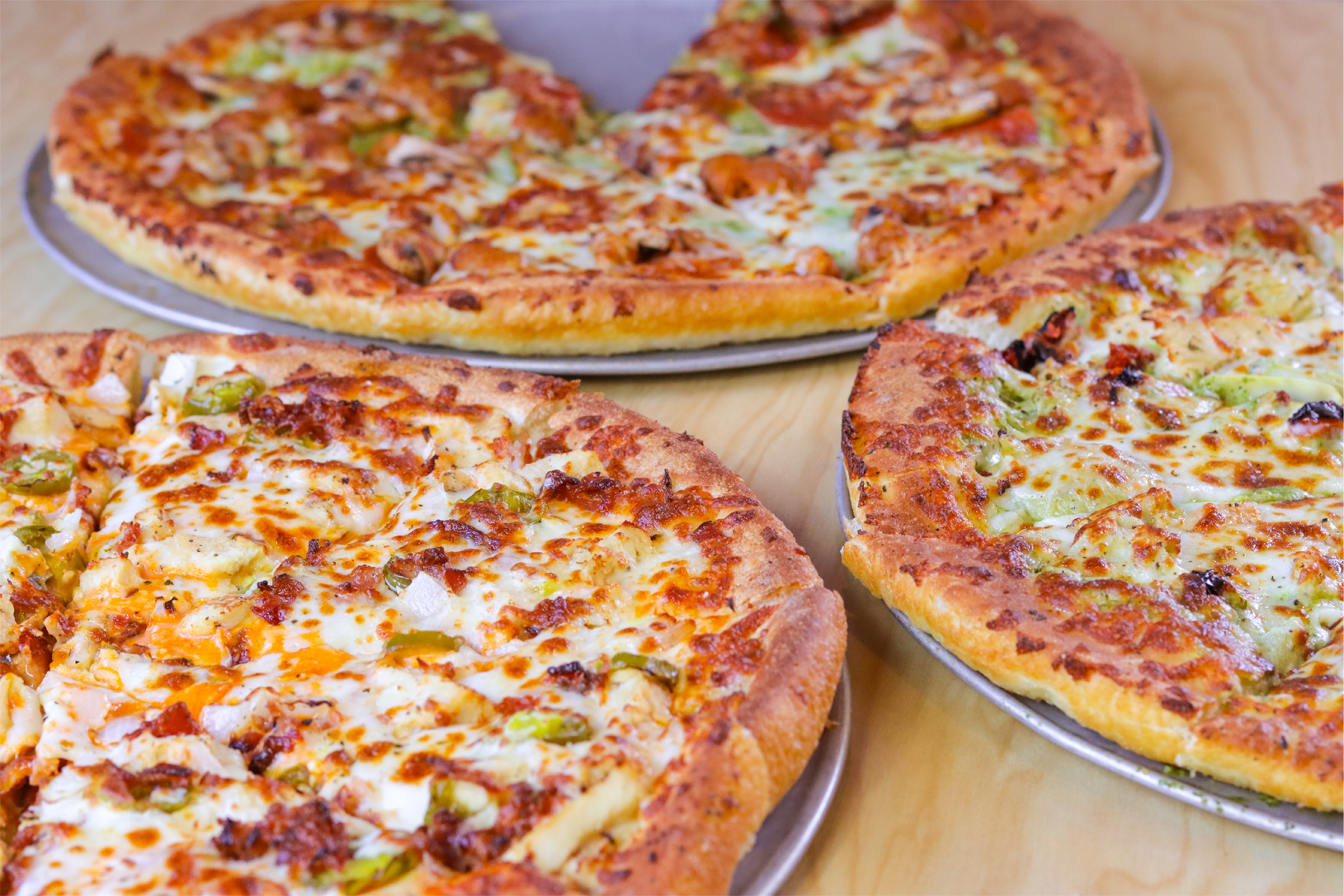
Planning a large gathering on a tight budget doesn't mean sacrificing quality or leaving guests hungry. When you need to feed many people quickly without breaking the bank, pizza stands out as the champion of cost-effective catering options.
The challenges of while keeping costs manageable are significant. Pizza isn't just affordable—it's universally loved, easily customizable, and perfect for hassle-free serving. Here's why pizza should be your go-to choice for budget-friendly group catering, along with other smart strategies to maximize your food budget.
The math speaks for itself. Traditional catering services often charge $25-50 per person for basic food stations. Meanwhile, pizza typically costs between $5-10 per person, even when ordering from quality pizzerias. This dramatic price difference means you can either save significantly or upgrade your pizza selection with premium toppings while still spending less than conventional catering.
Pizza is designed to feed groups efficiently. A large pizza can typically feed 3-4 adults, making it simple to calculate exactly how much you need without complicated portion planning.
One of pizza's greatest strengths for group catering is its versatility. From meat lovers to vegetarians, and even those with dietary restrictions, pizza can be customized to satisfy virtually everyone's preferences and requirements.
Colfax, WA-based Westside Pizza, which offers catering options for large parties, explains that when ordering for large groups, you can include options like vegetarian pizzas, gluten-free crusts, or even create half-and-half topping combinations to maximize variety while minimizing the number of pizzas needed. This customization ensures all your guests find something they'll enjoy without requiring entirely separate meal preparations.
When catering for large groups, logistical challenges can quickly multiply. Pizza delivery eliminates many of these headaches. Most pizza restaurants handle large orders and provide reliable delivery services, even for substantial quantities.
Schedule your delivery time in advance, ensuring hot, fresh pizzas arrive exactly when your guests are ready to eat. There's no need for elaborate setup, heating equipment, or serving staff—just open the boxes and let people help themselves.
While pizza provides an excellent foundation for budget group catering, sometimes you may want to offer additional options. Here are some cost-effective alternatives that pair well with pizza or stand strong on their own.
Cultural cuisines centered around rice or noodles rank among the most economical catering options. Consider adding large trays of pasta, fried rice, or noodle dishes to complement your pizza spread.
These starchy bases are incredibly affordable and can be enhanced with vegetables and smaller amounts of protein to create satisfying, flavorful dishes without high costs. Mexican, Indian, and Thai cuisines offer particularly budget-friendly options that taste great.
Meat is typically the most expensive component of any catered meal. Including more vegetarian options automatically reduces your catering costs while providing nutritious alternatives that many guests appreciate.
Consider adding a large garden salad, vegetable pasta, or bean-based dishes to your menu. These options not only save money but also accommodate vegetarian guests and add healthier choices to balance out heartier pizza options.
If your gathering takes place earlier in the day, breakfast and brunch items can be significantly more cost-effective than traditional lunch or dinner options. Egg-based dishes, breakfast casseroles, and pancake stations typically cost less than meat-centered lunch or dinner alternatives.
Morning events also require less food overall, as people typically eat lighter earlier in the day. Consider offering a breakfast pizza option alongside traditional morning fare for a unique twist that ties your catering theme together.
Many global cuisines were created to feed large families economically while maximizing flavor. Mexican bean and rice dishes, Indian curries with rice, and Thai noodle dishes can feed many people for a fraction of the cost of American-style catering.
These cuisines also feature bold flavors that satisfy guests more than bland, inexpensive alternatives. When considering cultural options, look for dishes that use affordable base ingredients enhanced with flavorful spices rather than expensive meats or imported ingredients.
How you serve food can be just as important as what you serve when it comes to stretching your catering budget. Here are service approaches that reduce costs while maintaining a quality experience.
Staffed serving stations significantly increase catering costs. Setting up self-serve buffets eliminates the need for service personnel while giving guests the freedom to customize their portions and selections.
For pizza-centered events, create a simple buffet with various pizza options, sides, and beverages. Add printed cards identifying each variety to add a touch of professionalism without added expense.
If your event doesn't need to include a complete meal, consider serving tray-passed appetizers instead. This approach allows you to offer a variety of flavors without the quantity required for full portions.
Mini pizza slices, breadsticks with dipping sauces, and other finger foods create a festive atmosphere while requiring less food overall. This approach works particularly well for networking events, pre-dinner gatherings, or afternoon meetings.
Schedule your event between traditional meal times to reduce guests' expectations for full meals. Mid-morning (10-11 AM) or mid-afternoon (2-4 PM) gatherings can feature lighter fare without disappointing attendees.
This strategy works well with pizza, as even a slice or two feels substantial enough to satisfy without requiring full meal portions. You'll need less food overall, significantly reducing your catering costs.
A simple but effective trick used by catering professionals is offering smaller plates at buffets and serving stations. Most people fill their plate regardless of size, so 8-inch plates naturally lead to smaller portions than 10-inch ones.
This psychological hack reduces overall consumption without making guests feel limited. They can always return for seconds if desired, but many won't need to, stretching your food budget further.
Matching your menu with seasonal availability can substantially reduce food costs while ensuring fresher ingredients.
Cooler weather calls for warming, filling options that naturally align with budget-friendly ingredients. Large pots of soup, chili, or stew paired with bread make satisfying meals that cost pennies per serving compared to meat-centered alternatives.
These options complement pizza well, allowing you to offer fewer pizzas supplemented by these economical alternatives. Hearty pasta dishes like baked ziti or lasagna also feed many people economically and can be prepared in advance.
Warmer months bring an abundance of affordable fresh produce. Create impressive vegetable platters with seasonal finds from local farmers' markets, often at lower prices than supermarkets.
Light, fresh options like vegetable skewers, summer salads, and fruit displays pair perfectly with pizza while adding healthier alternatives to your spread. These seasonal choices often cost less while looking and tasting premium.
Drinks can quickly inflate catering budgets. Instead of individual bottled beverages, offer large dispensers of water infused with seasonal fruits, iced tea, or lemonade. These options cost cents per serving compared to dollars for individual drinks.
For alcoholic events, consider serving only beer and wine rather than a full bar, or create a signature batch cocktail that can be prepared economically in large quantities.
Successful budget catering requires thoughtful planning and execution. Start by accurately estimating your headcount—it's better to have slightly too much food than not enough.
When ordering pizza for large groups, plan for about 2-3 slices per person for a meal (more for teenagers or very hungry crowds). For mixed catering with multiple food options, you can reduce this to 1-2 slices per person.
When you need to feed a crowd quickly without breaking the bank, remember that quality and affordability can go hand in hand with the right strategy and food choices.


