In a digital-saturated world, physical flyers offer surprising advantages: they earn 82% higher consumer trust than other ad formats, create 70% stronger brand recall, and achieve 37% higher response rates than email. Plus, they’re easily trackable with modern tools like QR codes.
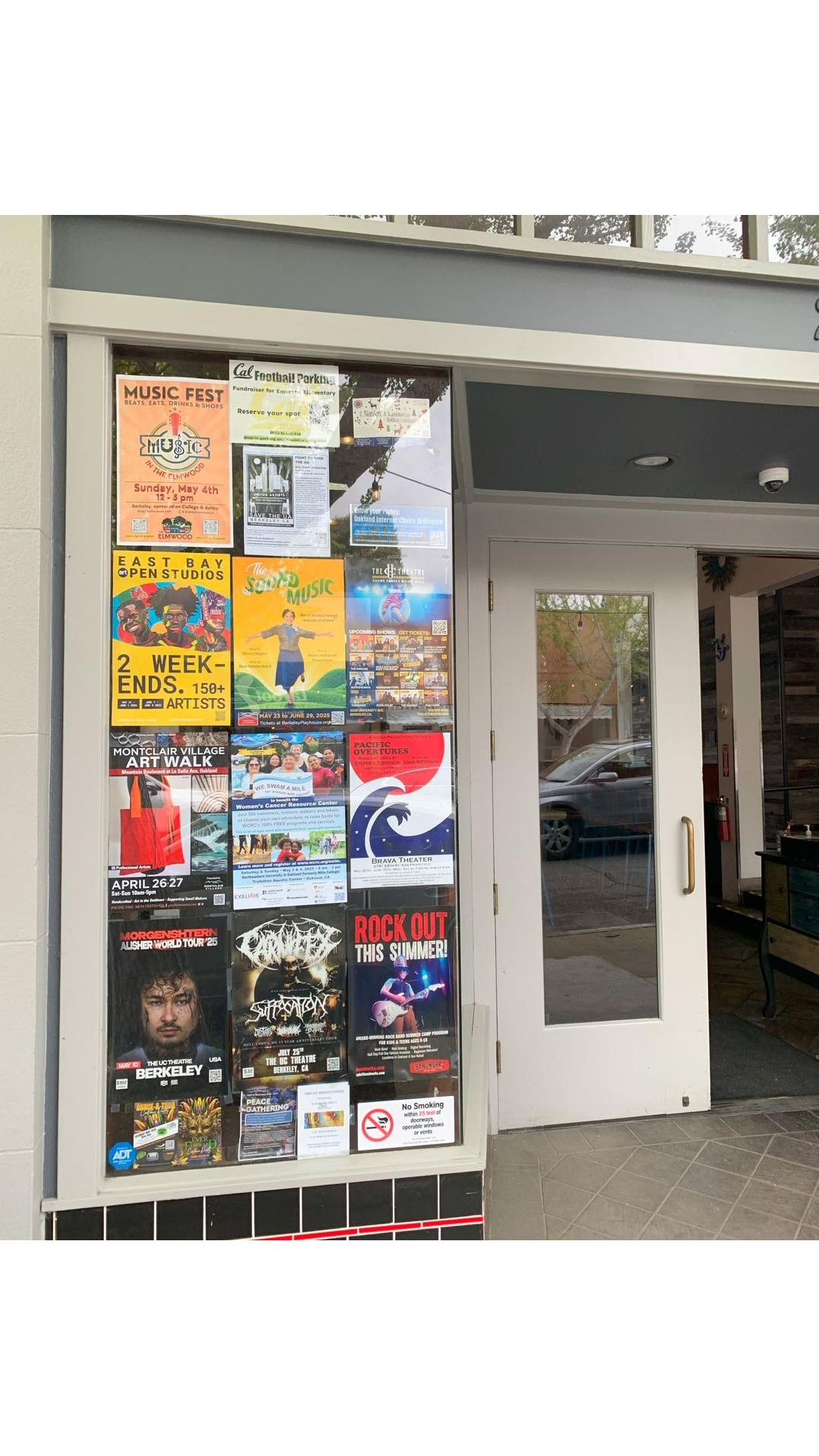
In today's increasingly digital world, many businesses have shifted their marketing budgets almost entirely online. Yet something remarkable is happening - physical media is experiencing a powerful resurgence. Far from being obsolete, printed flyers and direct mail pieces offer something that digital advertisements often struggle to provide: tangible, memorable connections with potential customers.
Physical marketing materials like flyers provide a sensory experience that digital simply cannot match. When someone holds your flyer in their hands, they engage with your brand on a deeper level than merely scrolling past a digital ad. This tactile connection creates an opportunity to make a lasting impression in ways that has consistently demonstrated through carefully crafted print campaigns that complement modern marketing strategies.
But is this just nostalgic thinking, or is there real data behind the continued effectiveness of physical media? Let's examine what the research actually shows about flyer marketing in today's business landscape.
The numbers supporting flyer marketing effectiveness might surprise even the most digitally-focused marketers. According to Direct Marketing Association (DMA) statistics, physical media continues to command impressive attention rates from consumers.
When people receive personalized mail addressed specifically to them, more than half open it immediately upon receipt. This immediate engagement rate far exceeds typical email open rates, which hover around 20% in most industries. Additionally, addressed mail isn't just opened once - recipients revisit these pieces an average of 6 times, creating multiple opportunities for your message to resonate.
Unlike digital content that often disappears from view within seconds, physical flyers and direct mail pieces have remarkable staying power. The average recipient will look at a piece of direct mail multiple times over days or even weeks, significantly extending your brand's exposure compared to fleeting digital impressions.
Perhaps most compelling for businesses seeking measurable results is the response rate differential. Direct mail campaigns consistently outperform their digital counterparts when it comes to driving actual customer responses. The physical format creates a sense of legitimacy and importance that motivates recipients to take action at significantly higher rates than typical email marketing.
While the data clearly shows that print media remains effective, here are the specific reasons why your business should consider incorporating flyers into your marketing strategy today.
In an era of digital ad fatigue, fake news, and online scams, consumer trust has become a precious commodity. According to MarketingSherpa research, a remarkable 82% of consumers trust print advertising more than any other medium when making purchasing decisions. This trust advantage gives flyer advertisements a significant edge over digital alternatives.
Print media inherently carries a perception of legitimacy that digital ads often struggle to achieve. When customers can physically hold your marketing material, they tend to associate it with established, reputable businesses that have invested in quality communication. This perception boost can be particularly valuable for:
The ultimate goal of any marketing effort is to be remembered when a customer is ready to make a purchasing decision. This is another area where print media significantly outperforms digital alternatives. Studies have shown that consumers are 70% more likely to recall businesses they've seen in print advertisements compared to those they've encountered in digital ads.
This enhanced memorability stems from several factors unique to physical media:
For businesses looking to build lasting brand recognition, flyers create stronger mental associations than fleeting digital impressions. This makes them particularly effective for businesses with longer sales cycles where brand recall becomes critical during the decision-making process.
A compelling reason to invest in flyer marketing is its superior ability to cut through the noise and generate meaningful engagement. In our hyper-connected digital environment, consumers have developed sophisticated filtering mechanisms to ignore online advertisements. Physical media bypasses these filters in several important ways.
Direct mail campaigns achieve response rates 37% higher than email marketing efforts. This engagement advantage becomes even more pronounced when flyers incorporate thoughtful design elements that drive consumer action:
The physical nature of flyers also means they remain present in consumers' environments rather than disappearing with a click. USPS research indicates that direct mail recipients spend approximately 30 minutes with their mail, compared to the fleeting seconds typically allocated to digital advertisements. This extended exposure creates multiple opportunities for your message to reach consumers.
Beyond their effectiveness, flyers offer practical advantages that make them accessible to businesses of all sizes. The perception that print marketing is prohibitively expensive compared to digital alternatives is often inaccurate when considering the full picture of campaign results and implementation costs.
Today's printing technologies enable rapid production cycles that can accommodate even the most time-sensitive marketing needs. From conceptualization to distribution, flyer campaigns can be executed within days rather than weeks, allowing businesses to respond quickly to:
The speed and flexibility of modern flyer production make them particularly valuable for businesses that need to adapt quickly to changing market conditions.
Successful flyer campaigns depend not just on great design, but also on strategic distribution. Businesses can target their ideal customers through several highly effective methods:
By carefully matching distribution methods to your specific business goals and target audience, you can significantly improve campaign performance and return on investment.
The visual elements of your flyer campaign play a crucial role in its effectiveness. Well-designed flyers incorporate several key elements that motivate consumer response:
Professional designers understand how these elements work together to create flyers that not only capture attention but also drive specific consumer actions. When these design principles are applied effectively, flyers become powerful conversion tools rather than just information pieces.
One common misconception about print marketing is that it's difficult to measure compared to digital campaigns. While it's true that print doesn't provide the same instant analytics as digital platforms, modern flyer campaigns can incorporate multiple tracking mechanisms that provide clear performance data.
Today's print campaigns can use several effective tracking methods:
These tracking mechanisms allow businesses to measure key performance indicators such as response rates, conversion rates, cost per acquisition, and overall ROI. By implementing proper tracking, flyer campaigns become as measurable as their digital counterparts.
Modern flyer campaigns frequently serve as bridges between offline awareness and online conversions. Strategic integration between print and digital channels creates powerful marketing synergies:
This integration allows businesses to use the trust and attention advantages of print while still benefiting from the convenience and tracking capabilities of digital platforms. Rather than viewing print and digital as competing channels, forward-thinking businesses use them as complementary tools in a comprehensive marketing strategy.
The most effective modern marketing strategies recognize that print and digital channels each have distinct strengths. Rather than choosing between them, successful businesses strategically integrate both to create comprehensive customer experiences.
For businesses seeking to maximize their marketing impact, the question isn't whether to use print or digital - it's how to use both most effectively. Flyer marketing remains an essential component of this balanced approach, offering unique advantages that digital channels simply cannot replicate.
Special Interest Marketing & Advertising Inc. specializes in creating effective flyer campaigns that help businesses build trust, increase brand recall, and generate higher engagement in today's competitive marketplace.


