Discover how different wavelengths of light influence cellular function, from NASA’s groundbreaking research to today’s wellness applications. Understanding the science, benefits, and potential risks helps you decide if photon therapy fits your personal wellness journey.
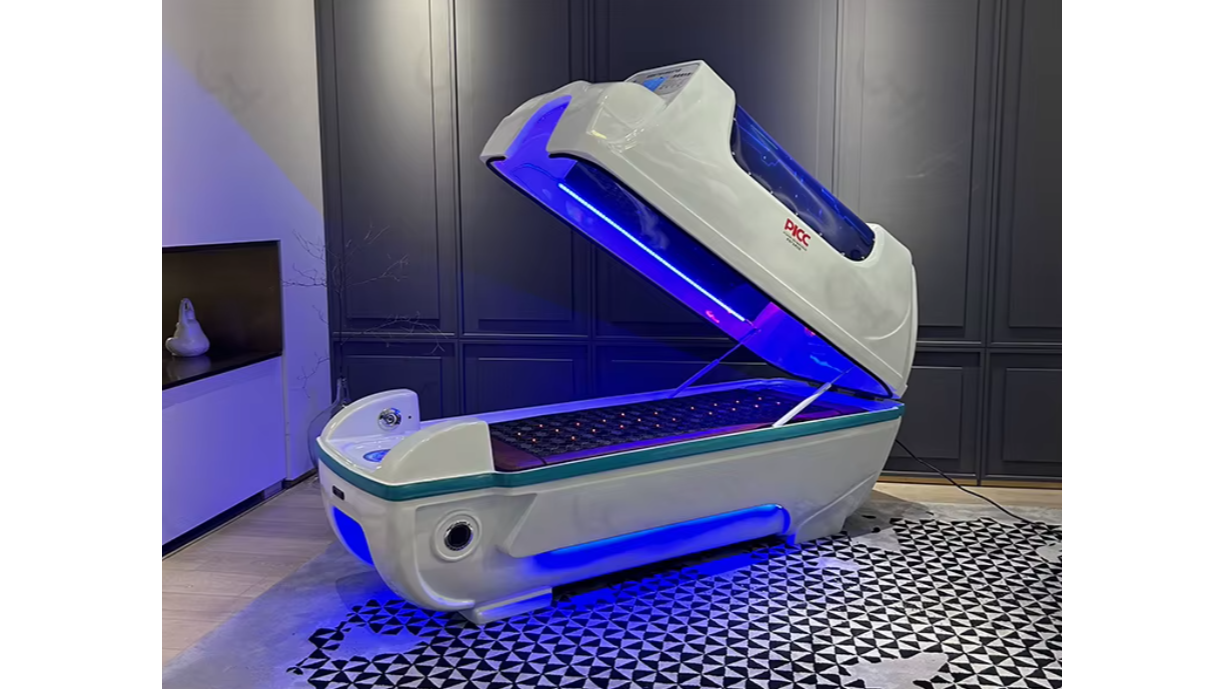
Your cells absorb red light the same way plants use sunlight, starting processes that NASA discovered while helping astronauts recover faster in space. Today's wellness centers use advanced to deliver these exact light wavelengths for supporting skin wellness, comfort, and overall vitality.
Your body makes less collagen and cell energy every year, leading to slower recovery and more inflammation that shows up as wrinkles and discomfort. Most approaches only mask these issues temporarily instead of supporting what's really happening inside your cells.
When red light at 660 nanometers enters your skin, your cells turn this energy into nitric oxide, which then creates something called ATP. Think of ATP like gasoline for your cells - it powers everything from tissue maintenance to immune support and keeps you feeling good. Scientists call this whole process photobiomodulation, which basically means using light to influence how your cells work and support their natural functions.
Different colors of light go to different depths in your body, with red light staying near the surface and near-infrared light reaching your muscles. Blue light at 415 nanometers stays right at the skin surface, where it interacts with bacteria that contribute to pimples and skin issues.
Studies show that people using photon therapy regularly experience increased collagen production, which is associated with firmer skin and fewer visible wrinkles after about two months. When researchers tested this on people with acne, they found that 85% of them had at least half their blemishes reduced after eight weeks. The sessions have been shown to calm red, irritated skin while supporting your body's natural skin cell renewal process more effectively.
Photon therapy has been known to help with chronic discomfort by calming inflammation deep in your tissues and supporting blood flow to areas of concern. Research suggests it may support faster recovery, especially for people with diabetes who usually take much longer to recover from minor injuries. Athletes using light therapy after workouts often report less muscle soreness and faster recovery times between training sessions or after physical stress.
Scientists tested light therapy on people with winter blues and observed real improvements in their mood after just two weeks of regular sessions. The therapy has been shown to boost energy production in cells, which may explain why people report feeling more energetic and sleeping better.
Photon therapy isn't suitable for everyone, and certain conditions require extra caution or complete avoidance of this wellness approach. People taking medications that increase light sensitivity, including some antibiotics and antidepressants, may experience adverse reactions from light exposure. Those with a history of skin cancer should consult healthcare providers before using any form of light therapy for safety reasons.
Pregnant and breastfeeding women should avoid photon therapy since research on fetal development and light exposure remains limited and inconclusive. People with epilepsy or seizure disorders face potential risks since bright flashing lights could potentially trigger seizure activity in sensitive individuals.
While most people experience no problems with photon therapy, some individuals may notice temporary side effects that require attention or adjustment. Common mild reactions include skin redness, warmth, dryness, or slight irritation that typically resolves within a few hours after sessions end. Some users report headaches or eye strain even when wearing protective goggles, especially during longer sessions or with higher intensity devices.
More serious but rare side effects can include burns, blistering, or hyperpigmentation when devices are used incorrectly or for excessive durations. Overuse of blue light therapy may contribute to skin aging through free radical damage, according to some research findings.
Professional wellness facilities have that use exact wavelengths and power levels to potentially achieve faster results than consumer devices. These professional-grade systems mix different light colors in one session, addressing multiple wellness goals at once in about 20 to 30 minutes per visit. Trained professionals can customize your sessions based on your specific wellness goals and track how your body responds to the light therapy.
Home devices like LED masks and handheld units let you save money over time, but need daily use for several weeks before you might notice changes. Most people need to use their home device for 10 to 30 minutes every single day to potentially see results from it.
Face Masks That May Support Skin Wellness
LED masks sit right on your face to direct light where you want it, potentially supporting improvements in acne, wrinkles, and dark spots. Most masks have both red and blue light settings, so you can switch between supporting collagen production and addressing acne bacteria as needed.
Full-Body Panels and Wellness Beds
Bigger panels can cover large areas at once, making them suitable for people wanting widespread comfort or those seeking total body wellness benefits. let you relax comfortably during longer sessions while the light targets specific parts of your body.
Photon light therapy offers a researched, non-invasive way to support wellness goals from skin appearance to comfort, using your body's own natural processes. NASA's space research created technology that now helps regular people support their wellness through simple light exposure at home or in professional settings.
Consulting with a professional helps you determine if photon therapy fits your wellness goals and identifies any conditions needing special consideration.


