Planning a boarding stay for your rabbit, guinea pig, or other small pet? Most owners miss critical vaccination requirements that could derail their trip plans, and there’s one health document that catches even experienced pet parents off guard.
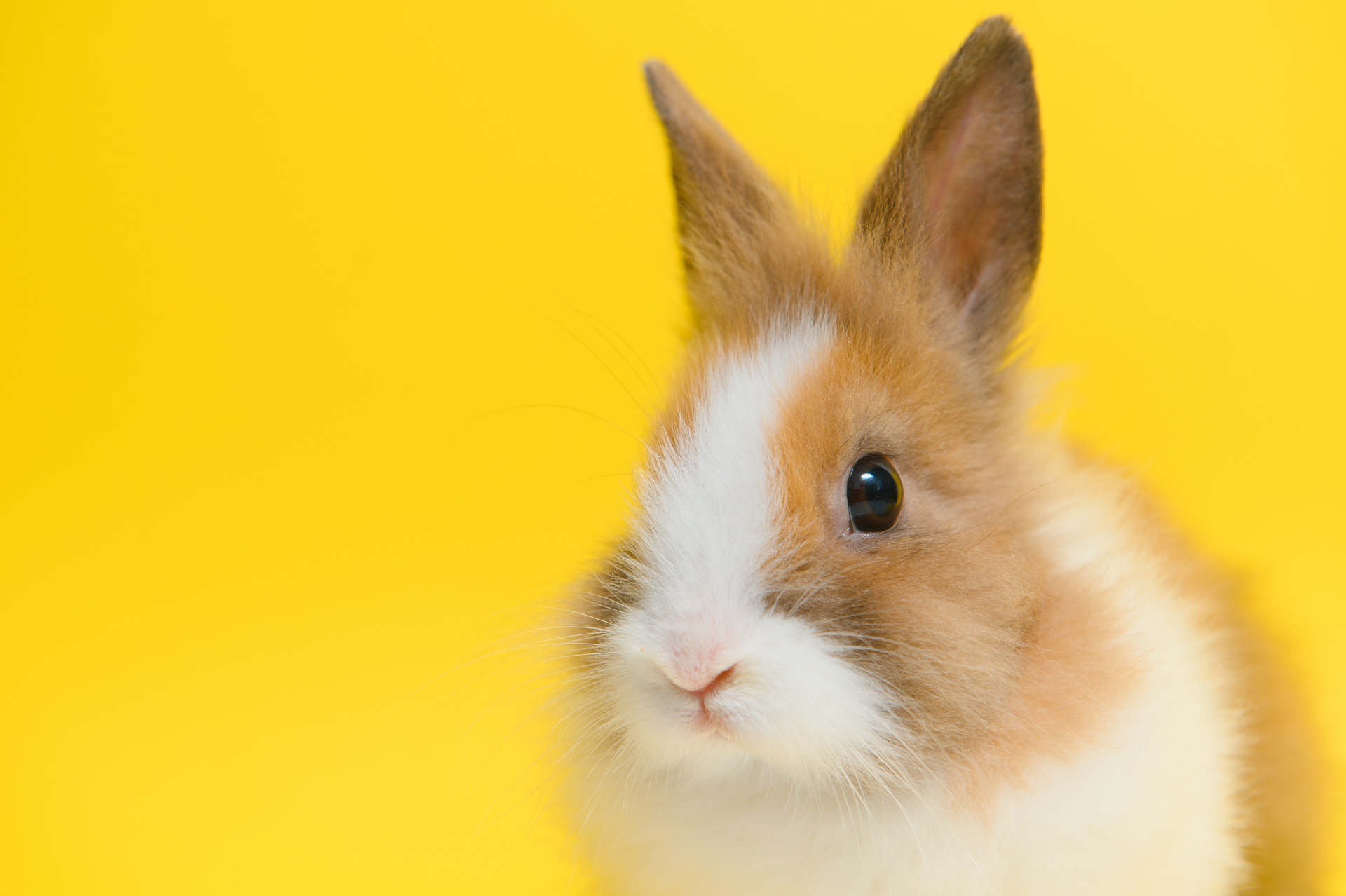
Planning a trip without your beloved small pet requires careful preparation to ensure their comfort and safety. Whether boarding a rabbit, guinea pig, or other small companion, understanding specific requirements and preparation steps makes the difference between a stressful experience and a successful stay away from home.
Many reputable boarding facilities require pets to meet strict health standards before admission. Small pets typically need a veterinary examination within 30 days of their boarding stay, confirming they're healthy enough for the group environment. This examination identifies potential health issues that could worsen under boarding stress or pose risks to other animals.
Parasite testing represents another critical requirement most owners overlook. Facilities often require a negative fecal examination within the past 6-12 months, ensuring pets don't carry internal parasites that spread quickly in boarding environments. Some facilities also require external parasite prevention treatments applied before arrival.
Temperature monitoring and behavioral assessments during the pre-boarding exam help veterinarians identify pets who may struggle with boarding stress. Illinois-based Belle Aire Kennels explains that the best pet boarding facilities will work closely with local veterinarians to ensure all health requirements are clearly communicated to pet owners well before their planned boarding dates.
Schedule veterinary examinations 4-6 weeks before planned boarding dates, allowing time for any necessary treatments or vaccination boosters. This timeline accommodates pets who need multiple vaccine doses or those recovering from minor health issues that could complicate boarding stays.
Fecal parasite testing should occur within the timeframe specified by your chosen boarding facility, though requirements typically range from 3-12 months. Pets testing positive for parasites require complete treatment and follow-up negative testing before boarding approval. External parasite prevention through flea and tick treatments should be current within 30 days of boarding.
Rabbits may require specialized vaccinations depending on your boarding facility's requirements and local veterinary recommendations. Viral Hemorrhagic Disease (VHD) Types 1 and 2 represent serious rabbit-specific illnesses with high mortality rates in unvaccinated populations. These diseases spread through direct contact, contaminated surfaces, and even airborne transmission.
Myxomatosis vaccination provides protection against another fatal rabbit disease transmitted by insects and direct contact. Annual boosters maintain immunity levels, though some veterinarians recommend more frequent vaccination for rabbits with regular exposure to other rabbits through boarding or social situations.
Bring enough of your pet's regular food to last the entire boarding period, plus 2-3 extra days in case of travel delays. Sudden food changes during boarding often cause digestive upset, adding unnecessary stress to an already challenging situation. Package food in clearly labeled containers showing the pet's name, feeding amounts, and meal timing.
Include detailed feeding instructions covering portion sizes, feeding frequency, and any food restrictions or preferences. Note if your pet requires hand-feeding, has difficulty with certain bowl types, or needs encouragement to eat during stressful periods. Some pets eat less during boarding, so mention normal appetite patterns to help staff identify concerning changes.
Familiar scents from home significantly reduce boarding anxiety for small pets. Pack unwashed blankets or bedding that carries your scent along with the pet's favorite sleeping spots. Avoid bringing irreplaceable items since boarding environments pose risks of loss or damage to personal belongings.
Choose durable toys that can withstand cleaning and potential interaction with other pets. Soft toys with squeakers may not survive group play sessions, while harder rubber toys often provide longer-lasting comfort. Puzzle toys or treat-dispensing items help combat boredom during longer boarding stays.
All medications must remain in original prescription containers with clear labeling showing the pet's name, medication name, dosage instructions, and prescribing veterinarian information. Never transfer medications to unmarked containers or pill organizers, as this creates safety risks and legal liability issues for boarding facilities.
Provide written medication schedules including exact timing, dosage amounts, and administration methods. Include emergency contact information for the prescribing veterinarian and backup medication supplies in case doses are accidentally missed or spilled during administration.
Rabbits are often social animals that may require companionship from other rabbits or extensive human interaction during boarding stays. Bonded rabbit pairs should board together when possible, as separation can cause significant stress and potential behavioral issues. Single rabbits may benefit from facilities offering supervised socialization opportunities with compatible rabbits.
Housing requirements include large, well-ventilated enclosures with protection from temperature extremes, drafts, and predators. Rabbits need constant access to high-quality hay for dental health and digestive function, plus daily portions of species-appropriate pellets and fresh vegetables. Litter box training helps maintain cleaner living conditions during boarding stays.
Rabbit carriers must provide adequate ventilation while preventing escape during transport to and from boarding facilities. Hard-sided carriers offer better protection than soft carriers, especially for anxious rabbits who may attempt chewing their way out. Carrier size should allow normal posture without being so large that rabbits slide around during transport.
Line carriers with absorbent bedding and include small amounts of hay for comfort during travel. Avoid overcrowding carriers with too many comfort items, as rabbits need space to adjust their position during longer transport periods.
Facility tours allow both pets and owners to assess boarding environments before committing to longer stays. During tours, observe how staff interact with current boarding animals and ask about daily routines, exercise schedules, and enrichment activities. Pay attention to cleanliness standards, noise levels, and overall facility maintenance that impacts pet comfort.
Bring your pet during the facility tour to gauge their reaction to new surroundings, other animals, and unfamiliar staff members. Some pets show immediate comfort in certain environments, while others display signs of stress that might indicate the need for alternative boarding arrangements or additional preparation time.
Short trial stays lasting 2-4 hours help pets acclimate to boarding routines without the stress of overnight separations. These sessions allow staff to observe individual pet personalities, feeding preferences, and social tendencies that inform longer boarding stay management.
Schedule trial sessions during typical boarding hours rather than quiet periods to expose pets to normal facility activity levels. Successful trial stays build confidence for both pets and owners, while challenging experiences provide opportunities to address specific concerns before longer boarding periods.
Professional boarding facilities distinguish themselves through staff training, emergency preparedness, and round-the-clock animal supervision. State certification requirements ensure facilities meet minimum standards for animal housing, veterinary care protocols, and staff qualifications that protect boarding pets' health and safety.
Some kennels provide 24-hour on-site supervision with trained staff members who monitor eating habits, bathroom routines, and social interactions that indicate pet well-being throughout their stay. This continuous monitoring provides immediate response capabilities for medical emergencies, behavioral issues, or environmental problems that arise during boarding stays.
Advanced facilities offer additional services like grooming, training reinforcement, and specialized care for elderly or special-needs pets. These services transform necessary boarding into positive experiences that benefit both pets and their families during travel separations.


