Think all peptides do the same thing? Think again. Discover the four types of peptides, what each one does for wrinkles, and why choosing the right formula matters more than most people realize.
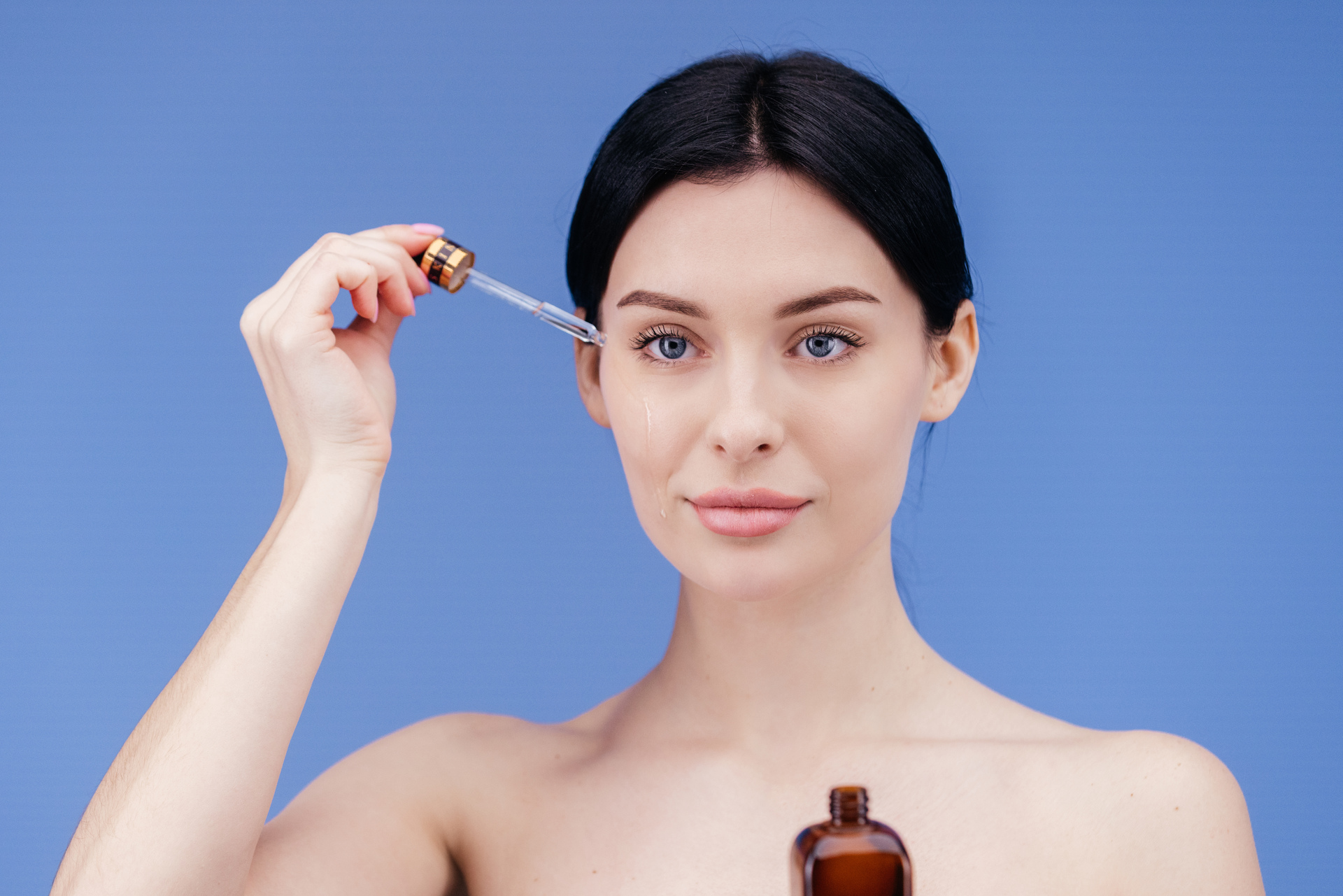
Peptide serums have quietly become one of the most talked-about tools in anti-aging skincare — and for good reason. Unlike many trending ingredients that come and go, peptides are rooted in real biology. They work with your skin's natural systems rather than forcing a reaction. But before reaching for any peptide serum, it's worth understanding exactly what they do, which types matter most, and how to use them effectively.
Skin aging isn't just about surface dryness or sun damage. A big part of it happens deeper — at the cellular level — where the production of collagen and elastin gradually slows down. Collagen keeps skin plump and structured. Elastin lets it snap back. When both start to decline, the result is visible: lines, sagging, and a loss of that firm, youthful texture.
This is where peptides come in. Peptides are short chains of amino acids—the same building blocks that make up the proteins in your skin. When applied topically, they act as messengers that support the skin's natural processes. Because different peptide sequences have different functions, skincare products often combine multiple peptides to target concerns such as visible wrinkles, firmness, and elasticity.
Many modern skincare brands have adopted this approach by developing proprietary peptide technologies and delivery systems. For example, Neuvera's PeptiLIFT serum features patented peptide G63 alongside clinically studied transdermal delivery, reflecting the growing industry focus on pairing peptide science with formulations designed for effective daily use.
Your skin constantly sends chemical signals that regulate hydration, healing, inflammation, and repair. Topical peptides mimic these natural messengers, so the skin can recognize and respond to them at a cellular level instead of leaving them on the surface.
That’s what makes peptides different from basic moisturizers. Depending on the peptide, they may support collagen production, calm irritation, or strengthen the skin barrier. The specific peptide blend matters because each amino acid sequence sends a different signal.
Fibroblasts produce collagen and elastin, but their activity slows with age. Certain signal peptides help remind these cells to keep producing the proteins that support firmness and structure.
With consistent use, peptides can help the skin gradually rebuild some of what aging breaks down, improving firmness, elasticity, and a more lifted appearance over time.
Signal peptides like Palmitoyl Tripeptide-5 and Matrixyl encourage fibroblasts to produce more collagen and elastin. The palmitic acid attachment helps them penetrate more effectively, supporting firmer texture, smoother skin, and better elasticity over time.
Argireline works by moderating nerve signals linked to repeated facial movements. This can temporarily soften muscle contractions and reduce the appearance of expression lines around the eyes and forehead, with a much milder effect than injectables.
GHK-Cu, also known as copper peptide, helps transport copper into the skin, where it supports collagen and elastin-related enzymes. It also offers antioxidant, wound-healing, and barrier-support benefits.
Enzyme inhibitor peptides help block excess MMP activity, which can break down collagen due to aging, UV exposure, and pollution. They work well alongside signal peptides by helping preserve existing collagen while new collagen is supported.
Apply peptide serum after cleansing and toning, while skin is still slightly damp, then follow with moisturizer. This helps absorption and fits easily into both morning and night routines because peptides are generally gentle and non-irritating.
Peptides work well with hydrating and barrier-supporting ingredients like hyaluronic acid, niacinamide, vitamin C, and vitamin E. Be cautious with strong exfoliating acids, as they may interfere with certain peptides, so use them at different times if needed.
Peptide serums work gradually by supporting collagen and structural protein production, so visible changes usually take weeks or months. Texture and hydration may improve first, followed by firmer skin and softer fine lines with steady daily use.
Peptides are useful anti-aging ingredients, but retinoids and AHAs have stronger evidence for deep renewal, cell turnover, and resurfacing. Peptides work best alongside them by supporting collagen, calming irritation, and strengthening the skin barrier.
Peptide serums occupy a genuinely useful place in skincare — one that's earned through real science rather than marketing momentum. They work at a biological level to support the proteins your skin relies on for structure, elasticity, and resilience. They're well-tolerated, stackable with most other actives, and versatile enough to address everything from fine lines to uneven tone to under-eye concerns.
The key is approaching them honestly. They're not a replacement for a well-rounded routine anchored by proven powerhouses like retinoids, nor are they an overnight fix. What they are is a smart, sustainable addition — one that supports and extends the work being done by everything else in your lineup. The more informed the decision to add one, the better the outcome.


