When your child’s snoring goes beyond typical childhood sleep sounds, it could signal a serious health condition affecting 2-4% of children worldwide that often goes undiagnosed for years.
You're not being an overprotective parent. You're picking up on warning signs that millions of other parents miss every single day - signs that often link orthodontic development and sleep health in ways most people never realize.
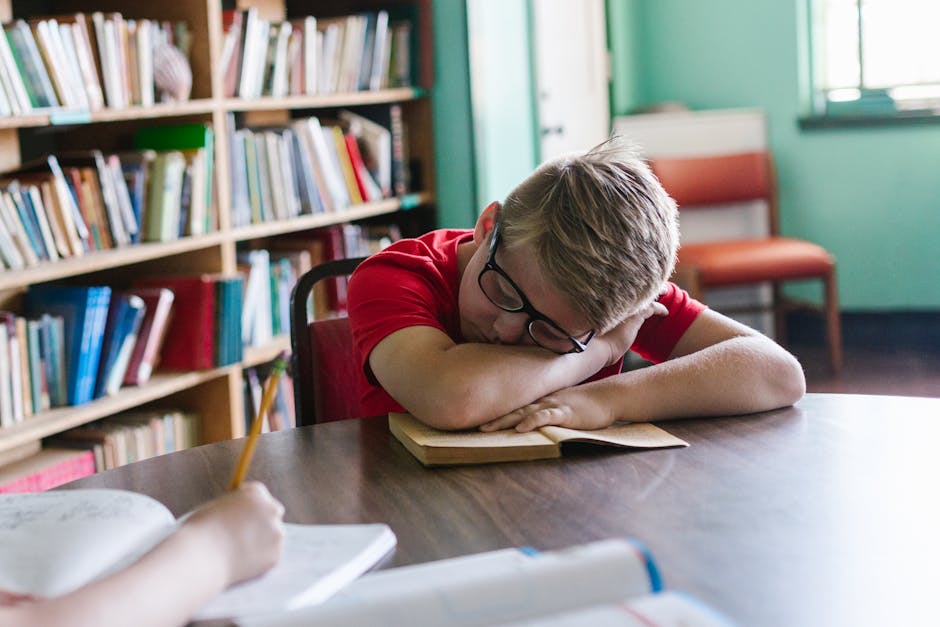
Does this sound familiar? Your child drags themselves out of bed every morning like they've run a marathon. The teacher sends home notes about daytime drowsiness or difficulty focusing. Your pediatrician suggests more screen time limits or an earlier bedtime, but you know your child is already getting 10+ hours of sleep.
Meanwhile, you're second-guessing yourself constantly. Is this just a phase? Are you overthinking normal kid behavior? The frustration builds when your once-bright child starts struggling academically, and everyone seems to have different theories about what's wrong.
Here's what many parents don't realize: children in orthodontic populations have double the risk of sleep disorders compared to other kids (Abtahi et al., 2020). That means if your child needs braces or has been seeing an orthodontist, the connection between their teeth and their sleep might be stronger than you think.
Trust your instincts. The American Academy of Pediatrics recommends routine screening for sleep-disordered breathing in children (Marcus et al., 2012), but often parents are the first to notice these patterns:
You've probably already noticed some of these, even if you haven't connected them to sleep apnea. Your child's snoring isn't just loud - it has pauses that make you hold your breath waiting for the next sound. They sleep with their mouth wide open, no matter how many times you gently close it. They kick off covers constantly and wake up with pajamas soaked in sweat, even when the room is cool.
Some nights, you catch yourself checking on them more often because something feels off about their breathing pattern.
The Daytime Struggles That Break Your Heart
Your bright, wonderful child seems to be working twice as hard as other kids just to get through the day. They're exhausted by afternoon, cranky when they used to be cheerful, and you find yourself making excuses to other parents about their behavior.
The worst part? Watching them struggle in school when you know how smart they are. Teachers might suggest ADHD testing, but deep down you suspect something else is going on.
The Physical Changes You Can't Ignore
Maybe you've noticed their mouth is always open, even when they're concentrating on homework. Their tongue has strange indentations along the edges from pressing against their teeth. Those dark circles under their eyes make them look older than their years, and you find yourself using concealer for school pictures.
This isn't about being a perfectionist parent or having unrealistic expectations. Research shows that untreated pediatric sleep apnea can affect everything from your child's immune system to their ability to grow properly. Studies demonstrate that orthodontic interventions can achieve significant improvements in pediatric sleep apnea outcomes (Pirelli et al., 2015), which means there are real solutions available.
Your child deserves to wake up refreshed, focus easily in school, and have the energy to just be a kid.
The good news is that you don't have to navigate this alone or wait months for answers. The American Association of Orthodontists' 2019 White Paper on "Obstructive Sleep Apnea and Orthodontics" confirms what many parents suspect: the connection between dental development and breathing problems is real and treatable.
Healthcare professionals who specialize in pediatric airway issues understand this connection. Dr. Jennifer Smith, an orthodontist who works with pediatric patients at Alberta Children's Hospital, explains the importance of early identification: "Many parents don't realize that orthodontic issues and sleep problems are connected. Early screening can identify children who need medical evaluation for breathing disorders, allowing families to get the right care before problems become more serious."
The key is finding professionals who listen to your concerns and take your observations seriously, rather than dismissing them as normal childhood issues. Look for providers who understand that creating healthy smiles means ensuring children can breathe properly too.
First, trust yourself. You know your child better than anyone, and if you're noticing multiple warning signs, you're not imagining things. Start by documenting what you observe - when symptoms occur, how often, and any patterns you notice. This information will be valuable when speaking with healthcare providers.
Don't wait for your child's symptoms to get worse or for someone else to validate what you're already seeing. The earlier these issues are identified, the more treatment options are typically available.
Consider consulting with your pediatrician first, and ask specifically about sleep-disordered breathing if you're seeing multiple warning signs. You may also want to seek evaluation from an orthodontist who has experience with airway issues, especially if your child has dental concerns alongside sleep symptoms.


