Every contractor hunting for online tool deals faces a deadly gamble—counterfeit power tools kill workers and destroy businesses in ways you never imagined. The most dangerous fakes aren’t what you’d expect, and spotting them requires knowing these insider red flags.
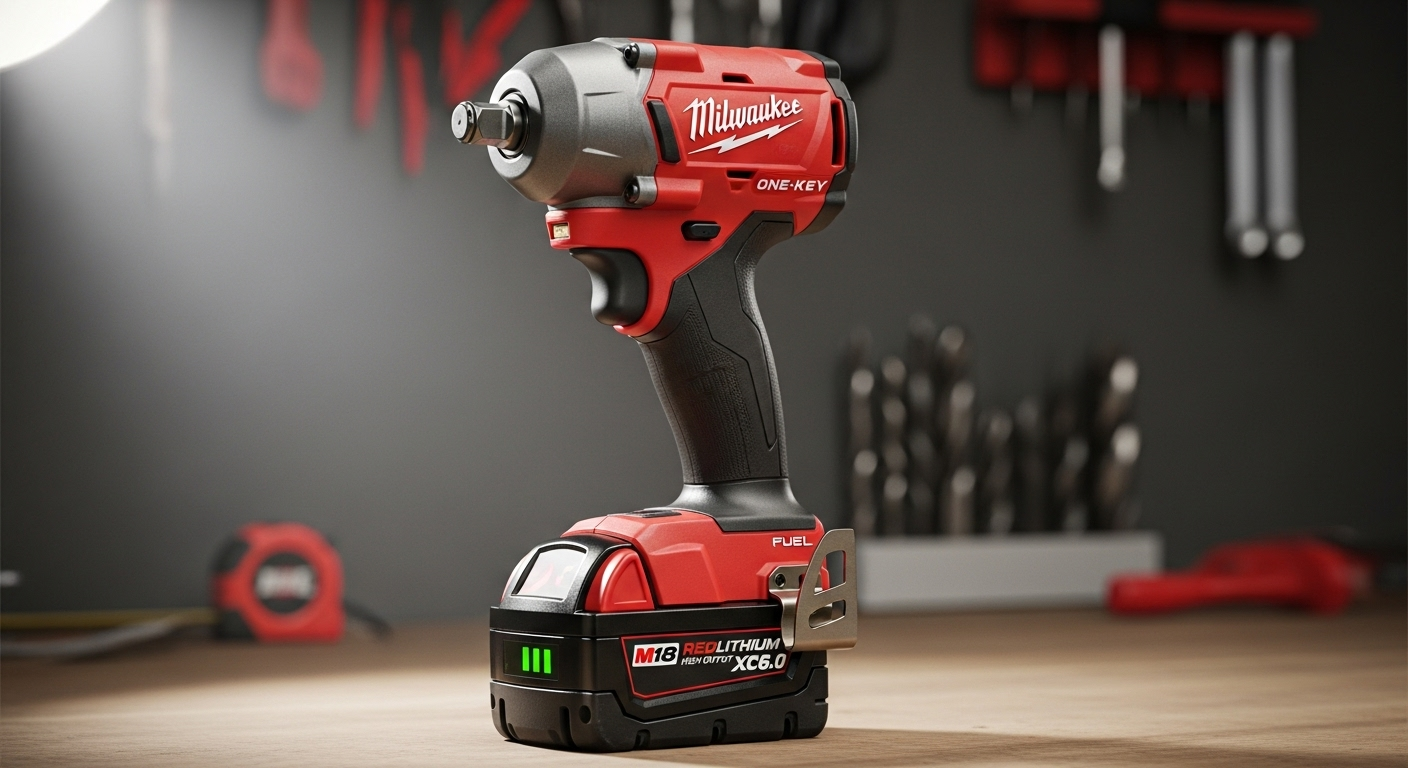
Construction professionals face a dangerous gamble every time they purchase power tools online. While cheaper alternatives might seem appealing for budget-conscious contractors, the hidden risks of counterfeit tools can literally be a matter of life and death.
Counterfeit power tools are deadly weapons disguised as construction equipment. These unsafe lookalikes can result in malfunctions that cause serious injuries including electrical shock, electrocution, and even death. Counterfeit electrical tools are also capable of causing fire outbreaks that can destroy entire job sites.
The core problem lies in manufacturing shortcuts. Counterfeit electrical tools and equipment often lack independent testing and may not even meet minimal performance specifications. Many counterfeit products use inferior materials, without regard for any labeled ratings, certification, or customer safety. Instead of investing in proper quality control, counterfeit manufacturers rely on deception, low prices, and internet sales to infiltrate construction sites nationwide.
Safety standards exist for a reason. When contractors unknowingly use fake tools that haven't undergone proper testing, they're gambling with their lives and the lives of their crew members. Finding verified wholesale distributors becomes vital for maintaining workplace safety and avoiding these potentially fatal scenarios.
According to a 2025 OECD report, in 2021, global trade in counterfeit goods was valued at approximately USD 467 billion, or 2.3% of total global imports. For individual contractors, the financial impact goes far beyond the initial purchase price.
Counterfeit machine tools lead to compromised efficiency, frequent machine breakdowns, and reduced equipment lifespan. Using counterfeit components increases maintenance costs significantly while reducing the useful life of equipment. The motor isn't as powerful, battery life is severely compromised, and overall performance falls short of industry standards because quality control wasn't part of the manufacturing process.
Genuine tools usually come with a warranty or guarantee that covers defects and malfunctions, while fake tools often lack any warranty protection. When counterfeit tools fail—and they will fail—contractors are left holding the financial burden. Warranty coverage varies among manufacturers, with some offering one year while others may provide longer or even limited lifetime warranties, but counterfeit sellers disappear when problems arise.
Defective products resulting from fake industrial tools tarnish a contractor's reputation and erode customer trust. When tools fail mid-project, delays become inevitable. These delays don't just cost money—they damage professional relationships and can lead to lost future contracts. Counterfeit products impact project safety, schedules, costs, and quality in ways that can permanently harm a construction business.
Smart contractors know how to identify fake tools before making costly mistakes. These warning signs can save both money and lives.
If prices seem impossibly low compared to established retailers, exercise extreme caution. Most tool manufacturers have suggested retail prices, and significant deviations below market rates often indicate counterfeit products. Compare prices across multiple verified dealers to establish reasonable price ranges.
Fake tools come with hastily affixed logos or labels that might be turned upside down or poorly designed. Check for proper spelling, official certification marks, and professional-grade labeling. Legitimate tools display clear model numbers, safety certifications, and manufacturer information.
Most tool manufacturers issue dealer certificates or list their authorized dealers on their official websites. Before making purchases, ask sellers for their dealer or distribution certificates. Verify their authorized status directly with the manufacturer.
Request product part numbers or model numbers before purchasing. Use these numbers to confirm approved specifications through the manufacturer's website. This allows you to check for discrepancies between approved products and what's being offered for sale.
Counterfeit tool investigators have identified specific tools that fake manufacturers target most frequently. These high-demand items generate the most profit for counterfeiters.
Cordless combo kits represent some of the most counterfeited tools in the construction industry. These kits offer high value and popular brand recognition, making them attractive targets for counterfeiters. The complexity of combo kits also makes it easier for counterfeiters to hide inferior components within seemingly legitimate packaging.
Rotary hammers, hammer drills, grinders, polishers, jigsaws, and standard drills top the list of counterfeited tools. These tools see heavy use on construction sites, making their failure particularly dangerous and costly. The high-torque nature of these tools means that inferior materials can lead to catastrophic failures under stress.
Federal regulations aren't suggestions—they're legal requirements that protect workers and employers from liability.
OSHA standards address hand and power tool hazards, emphasizing the employer's responsibility for safe equipment and the employee's responsibility for proper use and maintenance. Employers who allow uncertified tools on job sites face significant legal liability when accidents occur.
OSHA requires electric tools to be tested by a Nationally Recognized Testing Laboratory (NRTL) and be listed and labeled accordingly. These NRTLs are certified by OSHA to test products to ensure they meet applicable safety standards. This isn't optional—it's a federal requirement. Tools that lack proper NRTL certification violate workplace safety standards and can result in OSHA citations and fines.
Smart contractors protect their businesses, crews, and reputations by purchasing only from verified dealers. Establish relationships with authorized distributors who can provide dealer certificates and warranty documentation. Verify seller credentials through manufacturer websites before making purchases.
The construction industry depends on reliable, safe equipment. When tools fail, people get hurt and projects suffer. Investing in authentic tools from verified dealers isn't just about quality—it's about protecting everything you've worked to build.
Contractors serious about tool authenticity and safety standards should first ensure that any power tool products they buy are authentic.


