Drug testing isn’t just about catching problems; it’s about preventing them. From urine and saliva tests to breathalyzers and hair analysis, each method serves distinct purposes in workplace safety. Discover which approach protects your team while cutting costs and liability risks.
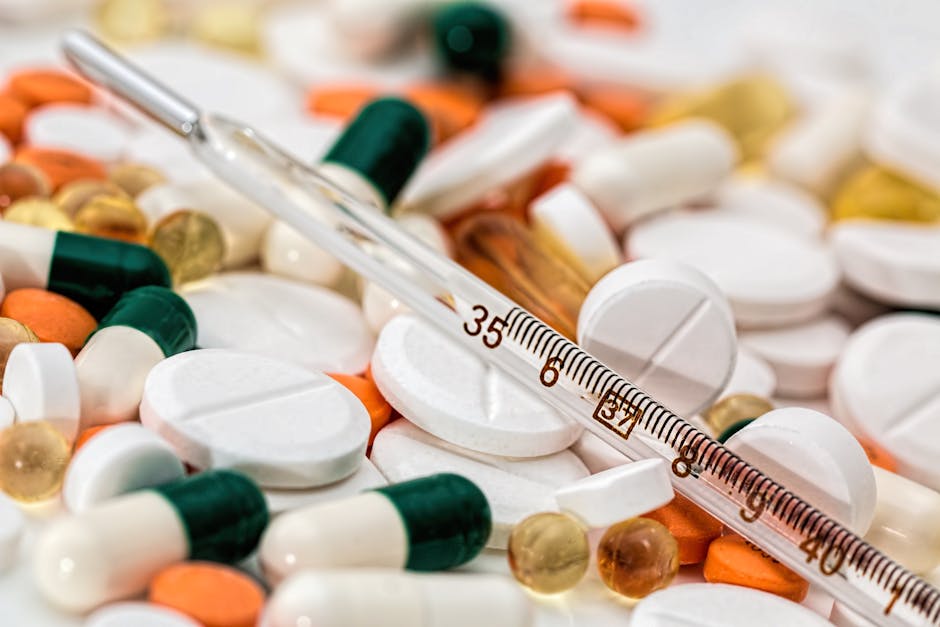
Occupational health drug screenings help employers identify substance abuse issues before they lead to workplace accidents, absenteeism, or costly liability claims that damage company operations.
Organizations implementing comprehensive drug testing programs gain critical insights into workforce health while creating safer environments for all employees and customers. Let's explore how the right screening approach protects your business and keeps everyone safer.
Occupational health screening serves as a vital assessment tool that evaluates whether job applicants and current employees can safely fulfill their role requirements. These medical evaluations include physical examinations and various health protocols designed to verify fitness levels and overall well-being before employment begins. The screening process helps organizations determine if candidates meet the physical demands of positions involving heavy machinery, hazardous materials, or safety-critical decisions.
Drug and alcohol testing forms the cornerstone of occupational health programs, systematically assessing the presence of illegal substances or alcohol in employee systems. Employers conduct these tests during pre-employment phases, randomly throughout employment periods, or immediately following workplace incidents and accidents. Safety-sensitive positions like drivers, pilots, and machinery operators face particular scrutiny because impairment in these roles creates disastrous consequences for workers, colleagues, and the public.
Different testing methods detect substance use across varying timeframes, giving employers flexibility to match screening approaches with their specific workplace needs.
Urine tests remain the most widely used format because they detect drug presence for approximately four to five days after use. These tests work for both instant on-site screening and laboratory analysis, providing employers with flexible options based on urgency and budget constraints. CLIA-waived and FDA-approved urine tests deliver results within minutes, helping organizations make faster hiring decisions without sacrificing accuracy or reliability.
Oral fluid tests offer advantages over urine collection by detecting very recent substance use within one to two days of consumption. The non-invasive collection process eliminates privacy concerns associated with supervised urine testing while maintaining high accuracy standards for workplace screening programs. Saliva testing devices range from simple single-panel tests to comprehensive 14-panel configurations that screen for multiple substances simultaneously.
Breathalyzers measure current blood alcohol content instantly through exhalation, making them ideal for post-accident testing or reasonable suspicion scenarios. Home Office-approved devices deliver immediate results without causing discomfort or requiring sample collection in private facilities away from work areas. These tests complement drug screening programs by addressing alcohol impairment, which contributes to over half of all fatal workplace accidents annually.
Hair analysis detects historical drug use patterns spanning up to six months, providing courts and employers with long-term substance abuse evidence. This testing method proves particularly valuable when organizations need to verify sustained abstinence or investigate patterns of chronic substance use. Hair tests cost more than urine or saliva options but deliver unmatched detection windows for comprehensive background screening purposes.
Organizations implementing systematic drug testing see immediate improvements across multiple business metrics that directly impact profitability and operational efficiency.
Workplace safety increases dramatically when impaired employees get identified before operating dangerous equipment or making critical decisions affecting others. Companies conducting regular screenings report fewer accidents, injuries, and near-miss incidents compared to organizations without formal testing policies in place. Insurance providers recognize this risk reduction by offering workers' compensation premium discounts to businesses maintaining certified drug-free workplace programs.
Healthcare costs decline when employers screen out substance abusers who generate disproportionate medical expenses, sick leave, and disability claims over time. Absenteeism drops significantly in workplaces with active testing programs because employees understand the consequences of showing up impaired or missing work. Productivity climbs when teams consist of reliable workers who show up on time, focus on tasks, and contribute consistently without substance-related performance issues.
Legal compliance becomes simpler for organizations following Department of Transportation regulations or industry-specific requirements mandating regular drug and alcohol testing. Companies demonstrate their commitment to employee welfare by implementing screening programs that fulfill legal obligations under the Health and Safety at Work Act. This proactive approach protects businesses from negligence claims when accidents occur despite reasonable precautions and documented safety protocols.
Successful drug screening programs start with written policies clearly explaining what substances get tested, when testing occurs, and what consequences follow positive results. Employees need advance notification that drug testing forms part of employment conditions, with policies documented in contracts, handbooks, or offer letters. Smart employers test all applicants for the same positions equally rather than selecting specific individuals, which creates discrimination claims and legal exposure.
Organizations should choose between random testing that deters ongoing substance use versus reasonable suspicion testing that targets specific behavioral concerns without creating surveillance anxiety. Pre-employment screening catches problems before they start, while post-accident testing determines whether impairment contributed to workplace incidents requiring investigation. Each testing scenario serves different purposes, and comprehensive programs typically combine multiple approaches for maximum effectiveness and legal defensibility.
Occupational health drug screening transforms from an optional precaution to an essential business practice as substance abuse rates climb and legal liability standards tighten. Begin by evaluating your current workplace risks, reviewing industry requirements, and selecting testing methods that match your operational needs and budget constraints.
Partnering with experienced providers offering comprehensive testing equipment and handling technical details helps you focus on building safer, more productive work environments. Companies implementing professional screening programs today avoid the costly accidents, lawsuits, and reputation damage that plague organizations that wait until substance problems become impossible to ignore.


