Fleet managers booking heavy vehicle inspections face a critical choice between HVIS and HVAIS systems – but choosing wrong could mean costly delays. Here’s what most operators don’t know about the inspection requirements that determine which path saves time and money.
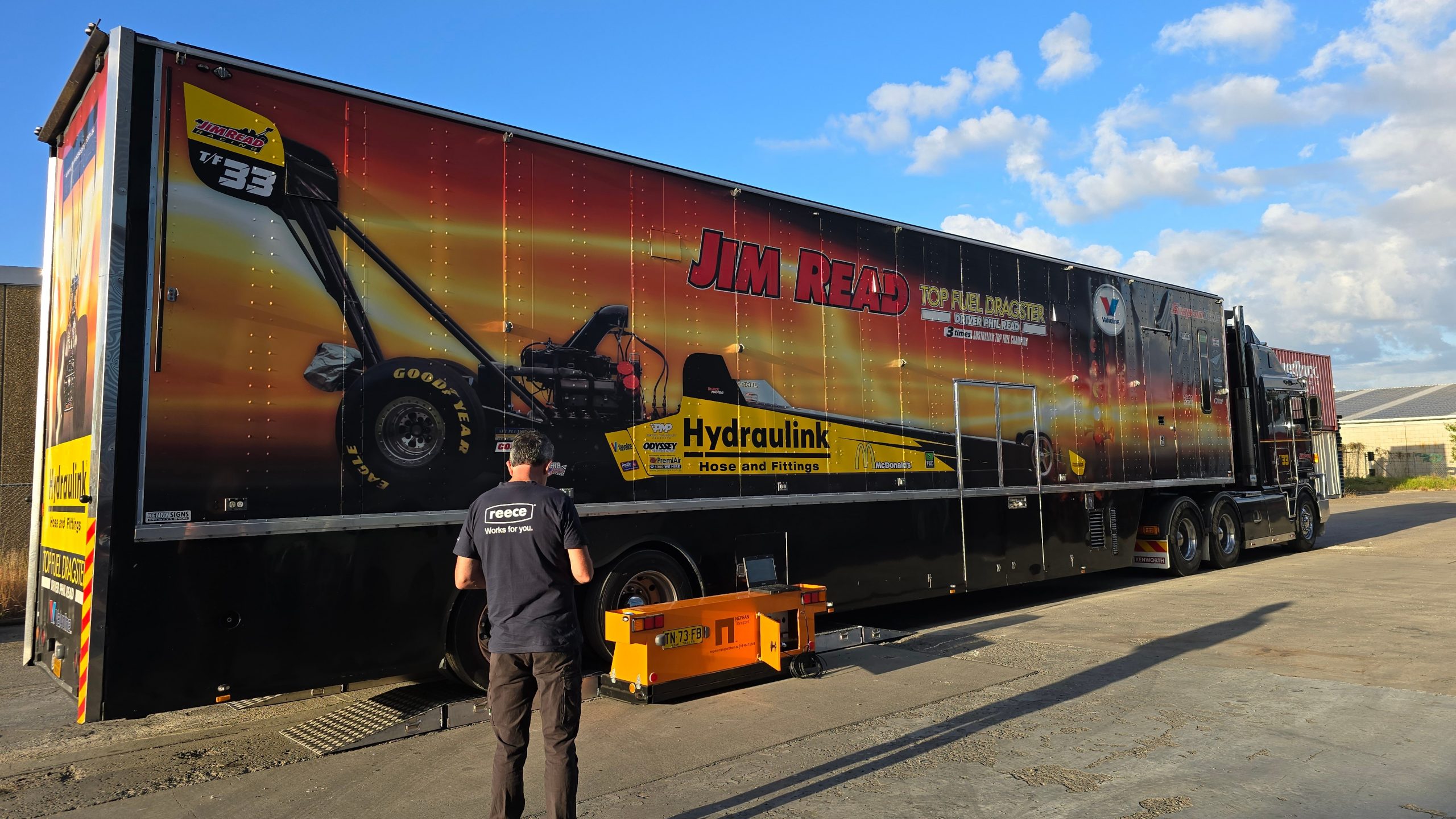
Fleet managers face mounting pressure to maintain compliance with Transport for NSW inspection requirements whilst keeping operational costs under control.
The Heavy Vehicle Inspection Scheme (HVIS) and Heavy Vehicle Authorised Inspection Scheme (HVAIS) form the backbone of NSW's heavy vehicle safety framework, yet many fleet operators struggle with preparation strategies that consistently deliver passing results.
Understanding which inspection pathway applies to each vehicle in the fleet represents the first step toward compliance success.
The inspection validity periods differ between systems — HVAIS reports remain valid for 42 days, whilst HVIS certificates must generally be completed within the renewal period. This timing difference affects fleet scheduling strategies, particularly when managing multiple vehicle renewals across different registration periods.
Brake system functionality represents the most scrutinised aspect of any heavy vehicle inspection. Air reservoirs must drain completely with easily operable drain valves, whilst brake components require freedom from leaks and proper adjustment. Fleet managers should implement systematic brake testing protocols that include parking brake effectiveness, service brake balance, and emergency brake response times.
Steering and suspension components demand thorough examination for worn bushes, bearings, and joints that compromise vehicle stability. Excessive play in steering mechanisms or visible suspension wear patterns signal potential inspection failures. Tyre assessments extend beyond basic tread depth measurements — inspectors examine sidewall integrity, irregular wear patterns, and proper inflation pressures across all wheel positions.
Vehicle cleanliness directly impacts inspection outcomes, particularly underneath chassis areas where inspectors assess structural integrity. Accumulated dirt and grime obscure potential defects, potentially extending inspection times or requiring rescheduling. Fleet operators should prioritise thorough cleaning protocols that include engine bay access for tilt-cab vehicles.
Presentation standards extend to cargo areas remaining unladen during inspection periods. Any loose items within tilt-cab mechanisms require secure storage to prevent interference with inspection procedures. Windscreen clarity, particularly in driver vision zones, affects overall vehicle safety assessments.
Driver licensing requirements align with specific vehicle categories during inspection delivery. Heavy combination vehicle inspections require appropriately licensed drivers, whilst standard heavy vehicle categories demand corresponding licence classifications. Missing or incorrect licensing creates immediate compliance barriers before inspections commence.
Registration documentation, previous inspection reports, and maintenance records support the inspection process. Digital copies provide backup verification, whilst original certificates demonstrate ongoing compliance history.
Strategic booking approaches maximise fleet availability whilst ensuring compliance deadlines. HVIS bookings can be made ahead of renewal dates, enabling fleet managers to coordinate inspection schedules with operational requirements. High-demand periods require extended booking lead times to secure preferred dates.
Cancellation policies demand a 24-hour advance notice to avoid additional booking fees. Fleet managers should implement backup scheduling protocols that account for mechanical issues or operational changes affecting inspection timing.
Staggered registration renewal dates across fleet vehicles prevent operational bottlenecks during inspection periods. Fleet managers can request registration date adjustments to distribute inspection requirements throughout the year, reducing scheduling conflicts.
Inspection validity periods affect scheduling flexibility: HVAIS reports remain valid for 42 days, while HVIS certificates must be current at the time of registration renewal. Strategic scheduling ensures vehicles complete inspections early within validity periods, creating buffer time for addressing any identified defects without registration lapses.
Brake system failures represent the leading cause of heavy vehicle inspection failures across NSW. Air leaks in pneumatic systems, worn brake lining materials, and contaminated brake fluid create immediate safety concerns that inspectors cannot overlook. Fleet maintenance protocols should include monthly brake system inspections with documented adjustment records.
Parking brake effectiveness testing requires specific measurement protocols that many operators overlook. Inadequate parking brake performance on gradients represents a significant safety risk that inspection standards strictly enforce.
Tyre-related failures include tread depth deficiencies, sidewall damage, and improper wheel fitment. The mandatory 1.5mm minimum tread depth applies across all tyre positions, whilst irregular wear patterns indicate alignment or suspension problems requiring correction before inspection.
Wheel hub assembly integrity affects overall vehicle safety ratings. Loose wheel nuts, damaged hub components, and bearing wear create failure points that thorough pre-inspection checks easily identify.
Lighting system defects range from simple globe failures to complex wiring harness problems. All required lights must operate correctly during inspection, including clearance lights, indicator systems, and brake light functionality. Fleet electrical maintenance programs should include systematic bulb replacement schedules and wiring inspections.
Electrical system voltage testing ensures proper charging system operation. Low voltage conditions affect lighting brightness and electronic component reliability, creating potential inspection failure points.
Chassis and body mounting integrity requires detailed examination for corrosion, crack propagation, and joint separation. Structural failures represent serious safety risks that inspection standards strictly enforce. Regular structural assessments identify developing problems before they reach failure thresholds.
Exhaust system security and leak detection prevent environmental compliance failures. Damaged exhaust components create noise violations and emissions problems that inspection protocols specifically address.
Digital fleet management platforms transform inspection scheduling from reactive processes to proactive compliance strategies. Automated reminder systems trigger inspection booking procedures based on registration renewal dates, whilst integrated booking platforms streamline reservation management across multiple vehicles.
Predictive scheduling algorithms account for vehicle usage patterns, seasonal demand fluctuations, and maintenance history data. These systems optimise inspection timing to minimise operational disruption whilst maintaining compliance requirements.
Electronic maintenance documentation provides audit trails that support inspection processes. Digital systems capture pre-inspection preparation activities, defect correction records, and compliance certification history. These records demonstrate ongoing maintenance commitment during inspection assessments.
Cloud-based storage ensures documentation accessibility across multiple locations whilst maintaining data security standards. Integration with mobile inspection applications enables real-time record updates during field operations.
Daily vehicle inspections form the foundation of successful heavy vehicle inspection outcomes. NSW encourages pre-trip and post-trip inspections with documented results for fleet safety management. Systematic daily checks identify developing problems before they reach inspection failure thresholds.
Driver training programs ensure consistent inspection procedures across fleet operations. Standardised checklists and reporting protocols create reliable data streams that maintenance teams use for proactive repairs.
Detailed maintenance records demonstrate ongoing vehicle care that inspectors recognise during assessments. Service histories, component replacement schedules, and preventive maintenance activities support vehicle roadworthiness claims.
Maintenance interval compliance tracking ensures services occur according to manufacturer specifications. Extended service intervals or deferred maintenance create inspection risks that proper documentation helps avoid.
Professional truck repair partnerships ensure inspection readiness through targeted maintenance addressing common failure points. Experienced facilities offer pre-inspection assessments identifying defects before official inspections, provide emergency repairs when failures occur, and develop fleet-specific protocols that minimize downtime and improve success rates during registration renewals.
For heavy vehicle maintenance and repair services that ensure your fleet passes Transport for NSW inspections consistently, experienced technicians such as 10 Four Truck Repairs specialise in keeping Australian heavy vehicle fleets roadworthy and compliant.


