NSW fleet owners face a complex web of legal responsibilities under Chain of Responsibility laws that could cost them thousands in penalties—even for safety breaches they didn’t directly cause. Understanding these shared accountability rules isn’t just about avoiding fines.
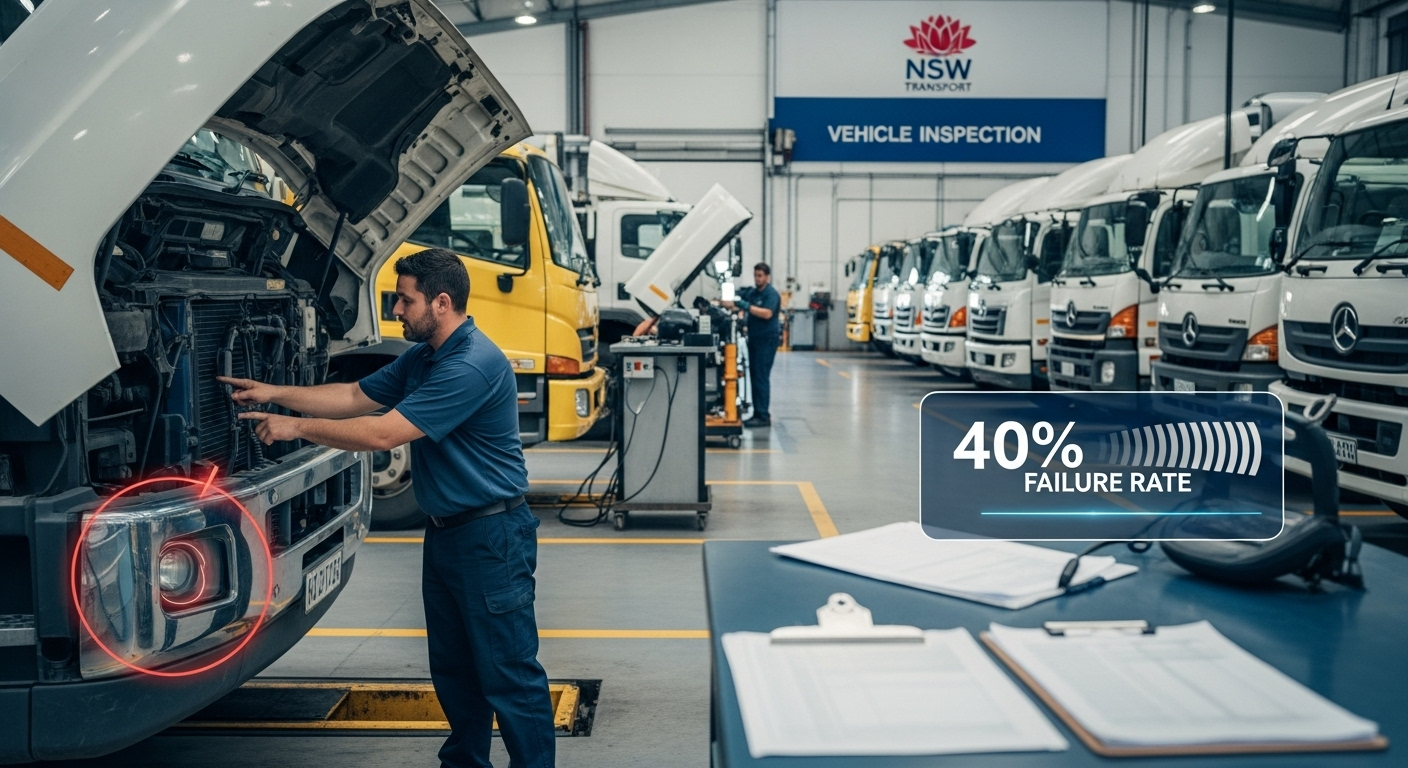
Fleet owners operating heavy vehicles in NSW face a complex web of legal responsibilities that extend far beyond basic vehicle maintenance. The Heavy Vehicle National Law (HVNL) and Chain of Responsibility (CoR) legislation create shared accountability across the entire transport supply chain, meaning fleet operators can face serious penalties for safety breaches they may not have directly caused.
Understanding these responsibilities isn't just about avoiding fines—it's about protecting your business, your drivers, and the broader community. The HVNL places specific duties on fleet owners that, if ignored, can result in penalties reaching thousands of dollars, vehicle registration suspensions, and even criminal charges for executive officers. The team at 10 Four Truck Repairs has observed firsthand how fleet operators who understand and implement proper compliance systems avoid these costly disruptions whilst maintaining safer operations.
The Chain of Responsibility legislation fundamentally shifts the traditional approach to transport safety by ensuring that everyone with influence over heavy vehicle operations shares accountability for compliance outcomes. This means fleet owners, schedulers, loading personnel, and even customers can be held responsible for safety breaches, creating a framework designed to improve road safety outcomes.
The Chain of Responsibility framework operates on a fundamental principle: if you have control or influence over any aspect of heavy vehicle transport operations, you share responsibility for ensuring safety compliance. This approach recognises that transport safety depends on decisions made throughout the supply chain, not just by the driver behind the wheel.
Fleet owners must demonstrate they've taken "reasonable steps" to prevent breaches occurring within their operations. These reasonable steps aren't defined by a simple checklist—they're determined by examining what a reasonable person in the same position would do to prevent foreseeable risks. This means fleet operators need robust systems covering vehicle maintenance, driver management, loading procedures, and route planning.
The legislation explicitly recognises that transport activities involve multiple parties who each contribute to overall safety outcomes. Schedulers who set unrealistic delivery timeframes, loading supervisors who exceed weight limits, and maintenance managers who defer critical repairs can all face penalties under the CoR provisions. This shared responsibility model encourages better communication and coordination across the entire transport supply chain.
The 'responsible person' concept under the HVNL captures anyone who has a role in the transport supply chain and exercises control or influence over transport activities. Fleet owners automatically fall into this category, but the definition extends much further than many operators realise.
Responsible persons include fleet managers, schedulers, loading supervisors, maintenance coordinators, and even executives who set operational policies. The key factor isn't your job title—it's whether you have the ability to influence transport safety outcomes through your decisions or actions. This broad definition ensures that safety responsibility rests with those who have practical control over transport operations.
Understanding your status as a responsible person helps determine the specific obligations that apply to your role. Fleet owners typically carry the broadest range of responsibilities, including ensuring vehicle roadworthiness, managing driver fatigue risks, and maintaining proper loading practices. However, each responsible person must understand their specific sphere of influence and implement appropriate control measures.
Every responsible person under the HVNL carries a primary duty of care to ensure the safety of their transport activities. This duty requires taking reasonable steps to eliminate or minimise risks that could cause death, injury, or damage arising from transport operations.
The primary duty operates as an overarching obligation that informs all other specific requirements under the legislation. Fleet owners must consider safety implications in every operational decision, from vehicle purchasing and maintenance scheduling to route planning and driver training. This duty requires proactive risk management rather than reactive responses to problems after they occur.
Demonstrating compliance with the primary duty involves documenting your risk assessment processes, control measures, and ongoing monitoring activities. Regulators expect to see evidence that safety considerations inform business decisions, not just compliance with minimum technical requirements. This means maintaining detailed records of how safety risks are identified, assessed, and managed across all transport activities.
Executive officers of transport companies face specific due diligence obligations under the HVNL, regardless of their direct involvement in day-to-day operations. These requirements recognise that senior leaders set the organisational culture and resource allocation that determines safety outcomes.
Due diligence obligations require executive officers to acquire and maintain knowledge about transport safety risks, understand the operations of their organisation, and ensure appropriate resources are allocated to manage safety risks. They must also verify that proper information and reporting systems exist to inform them of safety performance and compliance issues.
Executive officers can face personal liability for safety breaches even when they haven't directly participated in the activities that caused the breach. This personal accountability creates powerful incentives for senior leaders to prioritise transport safety and ensure their organisations have robust compliance systems in place.
Heavy vehicle defect notices are categorised based on the safety risk posed by identified defects, with each category carrying different operational restrictions and clearance requirements. Understanding these categories helps fleet operators respond appropriately when defects are identified during roadside inspections.
Major defect notices apply when vehicle defects pose an imminent and serious safety risk. Vehicles subject to major defect notices cannot be used on roads except to move to specified repair locations under strict conditions. These notices require immediate attention and typically involve defective vehicle labels that can only be removed by authorised persons.
Minor defect notices address safety risks that don't pose immediate serious danger but still require rectification within specified timeframes. Vehicles may continue operating under conditions specified in the notice until the rectification deadline. Self-clearing defect notices cover defects that don't pose safety risks, such as obscured number plates, and allow up to 28 days for rectification without requiring formal inspection for clearance.
Using a heavy vehicle in contravention of a defect notice carries significant financial penalties beyond the cost of rectifying the identified defects. Maximum penalties reach $8,000 for major or minor defect notices and $3,980 for self-clearing defect notices, creating substantial financial risks for operators who fail to comply with notice conditions.
Registration suspension represents another serious consequence of defect notice non-compliance. When defect notices aren't cleared within specified timeframes, registration authorities may suspend or cancel vehicle registrations, effectively removing vehicles from service until compliance is achieved. This enforcement mechanism ensures operators cannot simply ignore defect notices without facing operational consequences.
The financial impact of defect notices extends beyond direct penalties to include lost productivity from vehicle downtime, emergency repair costs, and potential flow-on effects to customer relationships. Fleet operators who maintain proactive maintenance programmes significantly reduce their exposure to these costly disruptions whilst ensuring safer operations.
Clearing defect notices becomes more complex when vehicles are inspected in one jurisdiction but registered in another, requiring fleet operators to navigate different clearance procedures across Australian states and territories. Understanding these cross-jurisdictional requirements prevents delays and ensures proper defect notice clearance.
Each jurisdiction maintains specific procedures for clearing defect notices issued by other states or territories. NSW registered vehicles can have interstate defect notices cleared by authorised examiners at authorised inspection stations, whilst other states may require specific documentation or inspection procedures. Fleet operators must follow the clearance instructions specified on each defect notice regardless of where the inspection occurs.
Some jurisdictions require defect clearance documentation to be forwarded to registration authorities even when inspections are conducted interstate. Failure to complete these additional requirements can result in ongoing compliance issues despite successful defect rectification. Fleet operators with multi-jurisdictional operations benefit from understanding these variations and implementing systems to ensure proper clearance procedures are followed consistently.
Effective compliance under the HVNL requires robust documentation systems that demonstrate proactive maintenance practices and safety management. Fleet operators must maintain detailed records covering vehicle inspections, maintenance activities, defect identification and rectification, and ongoing safety monitoring activities.
Maintenance records should document both scheduled preventive maintenance and reactive repairs, including parts replaced, work performed, and inspector qualifications. These records serve as evidence of reasonable steps taken to ensure vehicle safety and can be crucial during regulatory investigations or legal proceedings. Digital systems that timestamp entries and prevent retrospective alterations provide additional credibility for compliance documentation.
Safety record requirements extend beyond basic maintenance logs to include driver vehicle inspection reports, incident documentation, and corrective action records. Fleet operators should implement systems that capture pre-trip and post-trip inspection findings, ensuring defects are identified and addressed promptly. These detailed records demonstrate ongoing attention to safety management and help identify patterns that might indicate systemic issues requiring attention.
The Heavy Vehicle Operator Safety Information Program (HVOSIP) provides an online platform facilitating the exchange of driver licence and demerit point information between heavy vehicle operators and Transport for NSW. This system enables fleet operators to monitor driver qualification status and identify potential risks before they impact operations.
HVOSIP allows fleet operators to access current information about driver licence conditions, restrictions, and demerit point accumulations with driver consent. This real-time access helps ensure only properly qualified drivers operate heavy vehicles and enables proactive management of drivers approaching licence suspension thresholds. Regular monitoring through HVOSIP demonstrates due diligence in driver management practices.
The platform also facilitates information sharing between operators when drivers move between companies, ensuring important safety information follows drivers throughout their careers. Fleet operators who actively use HVOSIP demonstrate commitment to safety management and reduce their exposure to risks associated with unqualified or high-risk drivers.
The regulatory environment for heavy vehicle operations continues to evolve, with enforcement agencies increasingly focused on Chain of Responsibility compliance and safety outcomes. Fleet operators who wait for problems to emerge before implementing proper compliance systems face significantly higher risks of penalties, operational disruptions, and reputational damage.
Proactive compliance implementation involves conducting reviews of current practices, identifying gaps against HVNL requirements, and developing systematic approaches to address deficiencies. This process requires examining maintenance practices, driver management systems, loading procedures, scheduling practices, and executive oversight arrangements. Fleet operators who invest time and resources in building robust compliance systems protect themselves from costly enforcement actions whilst improving operational efficiency.
The cost of non-compliance extends far beyond direct financial penalties to include insurance implications, customer relationship impacts, and potential criminal liability for serious breaches. Fleet operators who prioritise compliance create competitive advantages through improved safety records, reduced insurance premiums, and customer confidence in their services.
Partnering with experienced maintenance providers helps fleet operators develop and implement compliance-focused maintenance systems whilst reducing the administrative burden of managing complex regulatory requirements. Professional maintenance partners bring specialised knowledge of HVNL requirements and practical experience in building systems that satisfy regulatory expectations.
Effective maintenance partnerships go beyond basic service delivery to include compliance consulting, documentation systems, and proactive risk management. These partnerships enable fleet operators to benefit from accumulated expertise whilst focusing their internal resources on core business activities. Quality maintenance partners also provide valuable insights into industry best practices and emerging regulatory trends.
The right maintenance partner helps fleet operators balance compliance requirements with operational efficiency, ensuring safety standards are maintained without unnecessary costs or operational disruptions. This partnership approach creates sustainable compliance systems that adapt to changing regulatory requirements whilst supporting business growth objectives.


