Non-surgical treatments have changed how people approach aging, offering targeted solutions for wrinkles, volume loss, and skin texture without extensive downtime. Understanding which procedures work best for your specific concerns helps you make confident decisions about your appearance.
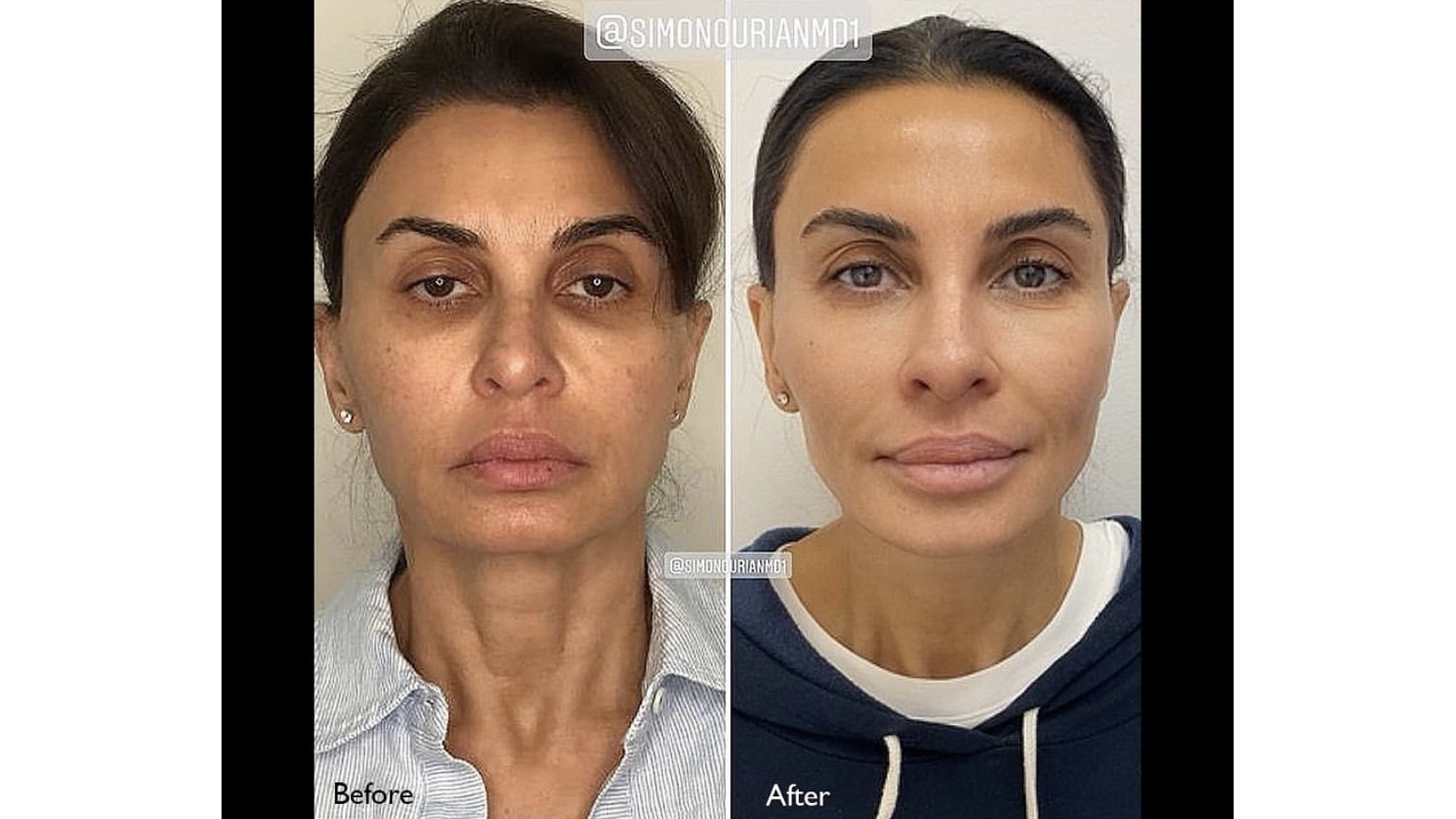
Your bathroom mirror reveals changes that seem to appear overnight—deepening lines around your mouth, volume loss in your cheeks, or stubborn dark spots. These visible signs of aging drive thousands toward cosmetic solutions each year, but surgery's commitment level keeps many from taking action.
A Beverly Hills-based specialist in cosmetic dermatology explains that non-surgical procedures now deliver real improvements without operating rooms or long recovery periods, giving you control over how you age. The right approach depends on understanding what each treatment actually does and which option matches your specific concerns.
The move toward minimally invasive procedures reflects what people actually want from aesthetic treatments in their everyday lives. You need results that work around your schedule, not treatments that force you to disappear from work for weeks. These options skip the incisions entirely, which means you avoid infection risks and don't end up with surgical scars.
Money matters when you're planning any cosmetic work, and non-surgical treatments cost significantly less than their surgical counterparts. You can target specific problems like unwanted pigmentation without paying for a full surgical procedure. The results fade over time, which actually works in your favor since your face keeps changing as you age.
Most health insurance won't cover cosmetic work, whether it's surgical or not, but lower prices make these treatments reachable for more people.
Botox remains the top requested treatment because it works so well on lines that form when you make facial expressions. The injection stops specific muscles from contracting temporarily, which gives the skin above those muscles a chance to smooth out. Doctors focus on forehead lines, the creases around your eyes, and those vertical lines that show up between your eyebrows.
The whole procedure often takes fifteen to thirty minutes, and you'll start seeing changes within three to five days after treatment. You'll need to come back every three to four months since the muscle-relaxing effect wears off gradually as normal activity returns. The quick visit and minimal disruption to your routine explain why busy professionals choose this option so frequently.
Dermal fillers work differently from Botox because they add fullness back instead of relaxing muscles that cause wrinkles. These gels contain hyaluronic acid, which your skin already has naturally, so they blend in smoothly after your doctor places them. Providers use fillers to make lips fuller, bring back cheek volume, smooth the deep lines around your mouth, and fix minor bumps.
Different filler types last for different amounts of time based on what they're made from and where they go in your face. The hyaluronic acid versions usually give you six to nine months of results, while options designed to boost collagen can last two years. You'll see changes right away, though some people get minor swelling that goes away within a few days after treatment.
Laser resurfacing sends focused light energy into your skin to wake up your natural healing process and create more collagen. This technology handles multiple problems at once—acne scars, sun damage, large pores, fine lines, and uneven coloring that builds up over years. Ablative lasers take off the outer skin layers for bigger changes, while non-ablative types heat the tissue underneath more gently.
How long you need to recover depends on the laser strength your provider uses during your session. Gentler treatments might make your skin red for just a few days, while stronger approaches may take two weeks before everything heals. Getting several sessions spread out over weeks often works better than one intense treatment all at once.
Chemical peels take another route to better skin texture by using controlled acids that dissolve dead cells and damaged tissue. The peel's strength decides how deep it goes and how much recovery time you'll need afterward. Light peels can happen every few weeks with barely any downtime, while deeper versions need months between treatments and cause visible peeling.
CoolSculpting and similar technologies use extreme cold to damage fat cells in problem areas without hurting the tissue around them. The treated cells die off slowly, and your body gets rid of them naturally through regular processes over the next few months. This works best for targeting specific spots like your stomach, thighs, or under your chin rather than losing weight all over.
Most people need several sessions to get the results they want, with each one focusing on a specific area for about an hour. Changes appear gradually as your body processes those damaged cells, and you'll typically see the final outcome around three months after your last visit. Keeping those results means maintaining your weight steady since the fat cells you still have can get bigger if you gain weight.
The fat cells eliminated through these methods don't grow back, but your remaining cells throughout your body will expand if you eat more. Following expert recommendations on aftercare helps you keep the improvements you worked to achieve through your treatment plan.
Using different procedures together often creates more noticeable improvements than picking just one treatment by itself. Your provider might suggest combining muscle-relaxing injections with volume-adding fillers to fix both expression lines and age-related hollowing during one appointment. Adding laser work or chemical peels improves your overall skin quality and makes everything look more polished and natural together.
This combined approach needs careful planning to get balanced results that look natural instead of overdone or artificial. The timing between procedures matters because some treatments cause temporary puffiness or sensitivity that could mess up the next procedure if scheduled too close together. Doctors look at your face structure and specific worries to build custom plans that fix multiple issues while keeping everything harmonious.
The tools and techniques in non-surgical procedures keep advancing quickly, making continued education necessary for providers who want to deliver current methods. Asking about specific training in the procedures you're considering shows you their commitment to mastering these specialized skills beyond basic credentials.
Understanding what happens before, during, and after your chosen procedure helps you prepare properly and spot normal healing versus worrying complications. Detailed talks about realistic outcomes prevent disappointment from expectations that no procedure can actually deliver no matter how skilled the provider. Learning about possible side effects and how providers handle complications shows you their honesty and commitment to keeping patients safe.
Getting clear cost information matters too, since some practices quote procedure prices without including necessary follow-up visits or touch-up treatments. Complete pricing information upfront, including what happens if results don't meet expectations, protects you from surprise expenses showing up later.
Regular touch-up appointments help maintain what you achieved by addressing concerns as they start developing rather than waiting until major changes happen. This approach often needs less product and creates more natural outcomes than trying to reverse years of aging all at once. Setting up a consistent schedule with your provider creates a partnership focused on helping you look your best over time.
Good skincare habits protect what you invested in professional treatments by supporting your skin's health between doctor appointments. Daily sun protection stops new damage from undoing your improvements, while quality products help maintain the texture and tone you gained.
Non-surgical procedures work with your existing face rather than creating completely new features or erasing decades of aging overnight. Understanding what these treatments can't do helps you appreciate the improvements they actually provide without feeling let down. Multiple sessions spaced right often deliver better results than expecting huge changes from just one appointment and nothing else.
Your age, skin condition, and specific worries all affect which treatments will work best and what results you can realistically expect. Younger people might reach their goals with conservative treatments, while fixing more advanced aging typically needs more intensive approaches or combinations.
Non-surgical options give you real solutions for aging concerns without the demands on your time and recovery needs. The range of treatments means you can probably find something that fixes your issues while fitting your schedule and budget.
Expert evaluation helps you figure out which procedures match your concerns and what realistic improvements look like, specifically for you.


