Struggling to balance noise and power in your exhaust system? The right muffler can boost horsepower while matching your sound preferences. Choose chambered designs for balanced performance or straight-through options for maximum power with that aggressive rumble you crave.
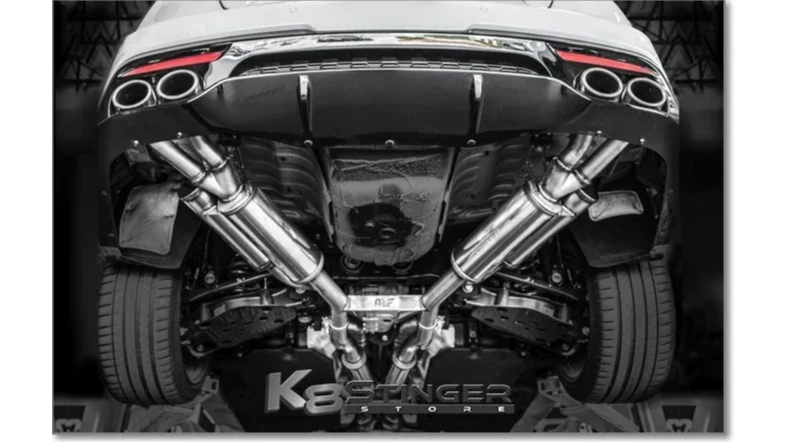
Choosing the right muffler isn't just about making your car quieter or louder – it's about finding the perfect balance between sound and performance for your specific needs. A well-selected aftermarket muffler can transform your driving experience by enhancing exhaust flow, boosting power, and creating your ideal sound profile.
Your factory-installed muffler was designed to meet basic requirements, but often sacrifices performance potential for quiet operation. Understanding the fundamental tradeoff between noise control and performance is essential when selecting a replacement. Here's what you need to know about different types of aftermarket mufflers and how they balance these competing priorities.
Chambered mufflers represent the most versatile option for many drivers. These mufflers contain internal chambers that redirect exhaust gases through a series of paths before exiting. This design creates a distinctive, often deep and resonant tone while still providing reasonable sound control.
The chambers create sound-canceling patterns that reduce overall volume without severely restricting flow. This makes chambered mufflers particularly popular for drivers who want improved performance with a moderate sound increase – perfect for daily drivers that still want that performance edge.
Designs vary widely, with some offering multiple chambers for better sound dampening and others using fewer chambers for increased flow. The chamber configuration directly influences both the sound quality and performance characteristics.
Turbo mufflers feature an S-shaped path that forces exhaust gases to travel through sound-absorbing materials. This design effectively dampens sound but creates more restriction than other types. Despite the name, they're not specifically designed for turbocharged engines.
The benefit of turbo mufflers is their excellent sound dampening capabilities. They're ideal for drivers who want a quieter exhaust note while still getting some performance improvements over stock mufflers. They work particularly well in urban environments where noise restrictions might be a concern.
The downside is their more restrictive nature, which can limit peak performance compared to other aftermarket options. This represents a clear case where sound control is prioritized over maximum performance gains.
Straight-through mufflers feature a perforated tube wrapped in sound-absorbing material. The simple design allows exhaust gases to flow through with minimal restriction, resulting in maximum performance potential.
The tradeoff is obvious: these mufflers produce a significantly louder, more aggressive exhaust note. They're popular among performance enthusiasts who prioritize horsepower and torque gains over quiet operation. For those who enjoy hearing their engine roar, straight-through designs deliver an unmistakable sound signature.
However, they're not ideal for everyday commuting or in areas with strict noise regulations. The aggressive sound can become tiresome on long drives and may attract unwanted attention in residential areas.
The primary performance benefit of aftermarket mufflers is the potential increase in horsepower and torque. By reducing backpressure and allowing exhaust gases to exit more efficiently, your engine can breathe better. This improved exhaust flow means the engine doesn't have to work as hard to push out spent gases, freeing up power that would otherwise be lost.
Different muffler designs offer varying levels of performance gains. Straight-through mufflers typically provide the most significant improvements, while turbo mufflers might offer more modest gains. The actual numbers depend on your specific vehicle, engine configuration, and the rest of your exhaust system.
Improved exhaust flow is the mechanism behind most performance gains. Factory mufflers often create bottlenecks in the exhaust path, restricting the natural flow of gases. Aftermarket mufflers can eliminate these restrictions through intelligent internal design and optimized pipe diameters.
This improved flow efficiency affects every aspect of your vehicle's performance, from throttle response to top-end power. Many drivers notice their vehicle feels more responsive after installing a performance muffler, even before measuring any horsepower gains.
A less obvious benefit of enhanced exhaust flow is reduced engine wear. When exhaust gases can exit more efficiently, your engine operates at more optimal temperatures and doesn't have to work as hard. This can translate to improved engine longevity over time.
With the right muffler choice, you might see modest improvements in fuel economy. By reducing the work required from your engine to expel exhaust gases, a well-designed performance muffler can create more efficient engine operation overall.
However, this benefit depends heavily on your driving style and muffler selection. Aggressive driving with a high-flow muffler might actually decrease fuel efficiency despite the improved exhaust flow. The performance-oriented driver who frequently accelerates hard will likely see fuel consumption increase regardless of muffler type.
Many aftermarket mufflers are constructed from higher-grade materials than factory-installed units. Stainless steel options, in particular, offer superior corrosion resistance compared to the mild steel used in many OEM mufflers. This improved construction can mean a longer service life, especially in regions with harsh winter conditions where road salt accelerates corrosion.
Additionally, performance-oriented designs often feature more robust internal components that can better withstand the heat cycles and vibrations that typically cause muffler failure over time.
Before selecting a new muffler, research the legal noise limits in your area. Many cities and states have specific regulations regarding vehicle noise levels. For example, Houston limits passenger cars to 65 decibels during the daytime, and 58 after sundown.
Violating these noise ordinances can result in fines and the requirement to reinstall a compliant exhaust system. Some performance mufflers, particularly straight-through designs, may exceed these limits. Always consider the legal implications of your muffler choice, especially if you use your vehicle for daily commuting in urban areas.
While some mufflers can improve fuel efficiency through better exhaust flow, others might actually reduce it. Mufflers designed primarily for sound (either quieter or louder) may not optimize for fuel economy. Ultra-high flow mufflers that produce aggressive sounds might encourage more spirited driving, which naturally consumes more fuel.
If fuel economy is a priority, look for mufflers specifically designed to balance flow characteristics with efficiency. Many manufacturers provide fuel economy ratings or comparisons to help with your decision.
Muffler replacement costs vary widely based on the muffler type, vehicle, and whether you're doing the installation yourself or hiring a professional. Budget-friendly mufflers start around $20, while premium performance options from top brands can exceed $500.
Installation complexity also varies by vehicle. Some require simple bolt-on replacements, while others might need custom pipe bending or welding. Factor these installation costs and requirements into your decision-making process.
Many vehicle owners worry that aftermarket modifications will void their warranty. Thankfully, the Magnuson-Moss Warranty Act protects consumers in this regard. This federal law prevents manufacturers from voiding your entire vehicle warranty simply because you've installed aftermarket parts.
However, if an aftermarket muffler directly causes damage to another component, the manufacturer may deny warranty coverage for that specific repair. Choose quality mufflers from reputable manufacturers to minimize this risk.
V8 engines naturally produce a distinctive, powerful sound that many enthusiasts want to enhance. For V8s, chambered mufflers often provide the best balance, accentuating the engine's natural rumble without becoming overwhelmingly loud.
High-performance V8s in sports cars or muscle cars pair well with aggressive straight-through mufflers if sound regulations permit. These engines have the power characteristics to take full advantage of reduced backpressure.
For V8 trucks used for towing, consider mufflers that provide a moderate increase in performance without excessive noise that would become tiresome on long trips.
V6 engines benefit from mufflers that enhance their unique sound signature. These engines don't naturally produce the same rumble as V8s, so muffler selection should focus on bringing out their higher-pitched, sportier tone.
Moderately restrictive chambered mufflers often work well for V6 engines, providing improved flow characteristics without making the exhaust note too raspy or thin-sounding. For performance-oriented V6s, look for mufflers specifically designed to complement their firing order and exhaust pulses.
Four-cylinder engines present unique challenges for muffler selection. With their higher-frequency exhaust notes, they can sound buzzy or tinny with the wrong muffler choice. For these engines, focus on mufflers that add depth to the exhaust note while providing performance benefits.
Turbo mufflers often work well on 4-cylinder engines, especially those with factory turbochargers. These mufflers provide the right balance of sound control and flow for smaller displacement engines. For naturally aspirated 4-cylinders, chambered mufflers with moderate flow restriction can help create a more satisfying sound without becoming obnoxiously loud.
Selecting the ideal muffler ultimately comes down to your personal priorities. Ask yourself: Do you value maximum performance, a specific sound profile, or a balance between the two? Is your vehicle primarily for daily commuting, weekend fun, or track days? Your answers will guide your muffler selection process.
Consider testing different muffler sounds by listening to vehicles with similar setups. Many enthusiast forums and video platforms feature sound clips that can help you preview how different mufflers might sound on your specific vehicle.
Finally, don't hesitate to consult with exhaust specialists who can provide personalized recommendations based on your vehicle and preferences. Their experience can help you navigate the many options available and find the perfect muffler for your needs.
For expert advice on selecting and installing the perfect muffler for your vehicle, visit A & N Performance Muffler Shop, where they specialize in creating the ideal balance of performance and sound for any application.


