What if there was a college program that followed you through all four years instead of abandoning you after freshman orientation? Newman University’s Navigator program spans from freshman year vision boards to senior e-portfolios, but the most surprising benefit isn’t what you’d expect. https://newmanu.edu/navigator
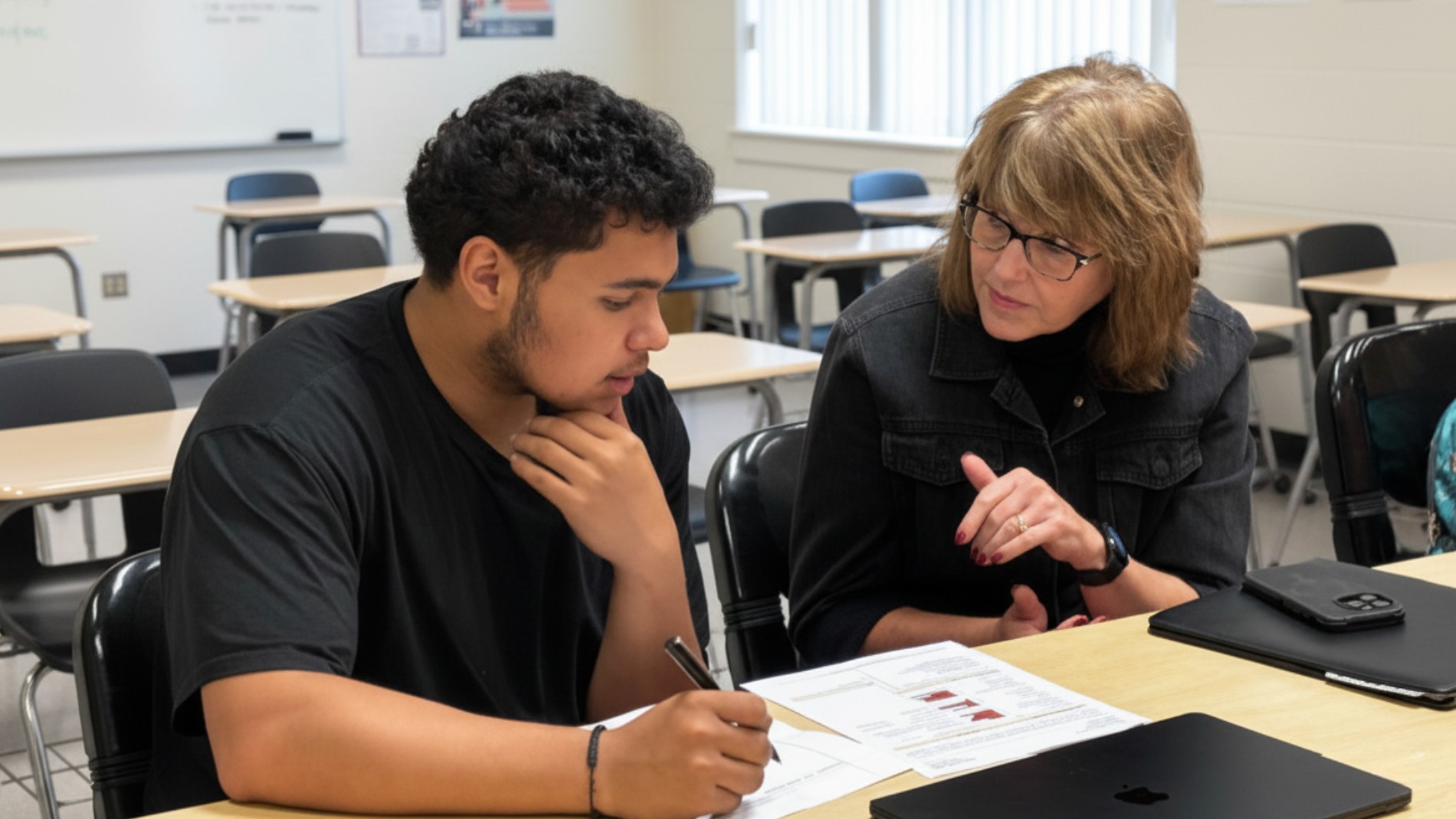
Most college students navigate their academic journey with limited guidance, attending a single orientation course before being left to figure out everything from major selection to career preparation on their own. Newman University takes a dramatically different approach, recognizing that true student success requires sustained support throughout the entire college experience.
The Navigator program at Newman University represents a four-year experience designed to transform students from uncertain freshmen into confident, career-ready graduates. Unlike traditional orientation programs that provide a brief introduction to campus life, Navigator follows students through every stage of their college journey with dedicated courses: Flight Planning, Lift-Off, Destination Check, and Launch.
This systematic approach addresses a critical gap in higher education. Studies indicate that student success programs with intensive academic and career advising along with targeted supports significantly improve outcomes like college persistence and credit accumulation. Newman's Navigator program embodies this research-backed approach, creating an experience that helps students transition not only into college life but also into graduate school, careers, or whatever next steps await them.
The program's structure ensures that students receive consistent, personalized support throughout their academic journey. Navigator Director Lawna Kurtyka notes that students take four courses that follow them throughout their four years, providing individualized services that larger universities often cannot offer due to scale constraints.
Most universities limit their student success programming to a single semester, leaving students to navigate the remaining three and a half years with minimal structured guidance. Navigator breaks this mold by providing continuous support through distinct phases of college development. Each course builds upon the previous one, creating a scaffolded learning experience that grows with students' evolving needs.
The program recognizes that college challenges don't end after freshman year. Sophomore students face different pressures than freshmen, while juniors need career-focused guidance that differs from senior-year transition planning. This multi-year approach ensures students receive relevant support precisely when they need it most.
Newman's size advantage becomes particularly evident in the Navigator program's personalized approach. Students work with consistent instructors across multiple courses, building relationships that extend far beyond typical academic interactions. This continuity creates a stable foundation that helps students feel genuinely connected to their educational community.
The personalized nature extends to flexible program paths. While most students complete all four Navigator courses, the program adapts to different student populations. Nursing, education, and allied health majors meet later requirements through coursework in their fields, while transfer students may follow modified paths based on their specific needs and previous experience.
Flight Planning begins with perhaps the most important question students can ask: "What is my purpose?" Rather than jumping immediately into career specifics, the program helps students examine vocation in its broadest sense – understanding what they're passionate about and why those passions matter.
This examination proves especially valuable for students entering college during or after the COVID-19 pandemic, many of whom missed crucial socialization and group participation opportunities during their high school years. By focusing on foundational skills like collaboration and purpose identification, Navigator addresses gaps that might otherwise hinder students' professional development.
Once students begin understanding their "why," Navigator helps them map out the "how." The four-year planning process goes beyond simple course sequencing to include examination of majors, consideration of complementary experiences, and integration of personal goals with academic requirements.
Biology and pre-dentistry major Keegan Schreiber describes this planning as a "huge blessing," noting how the four-year course projection and mission statement development helped focus her college experience and future career planning. Students like Schreiber continue referencing their Navigator-created plans throughout their college years, using them as living documents that evolve with their growing understanding of their field and themselves.
Goal setting in Navigator goes far beyond vague aspirations. Students learn the SMART goal formula – creating objectives that are Specific, Measurable, Achievable, Relevant, and Time-bound. This systematic approach teaches students how to break down large ambitions into manageable steps while maintaining accountability for their progress.
Faculty guidance ensures that student goals align with both personal interests and realistic career pathways. This collaborative approach helps students avoid common pitfalls like setting overly ambitious timelines or pursuing goals that don't match their strengths and interests.
The Lift-Off phase transforms abstract career thinking into concrete professional skills. Students work on resume development, learning not just formatting basics but how to effectively communicate their experiences, skills, and potential to employers. Many students find that their high school resumes, while adequate for college applications, require significant enhancement for professional opportunities.
Interview preparation includes both traditional in-person practice and virtual interviewing skills – a crucial addition given the prevalence of remote hiring processes. Students practice elevator pitches through multiple formats, including video recordings that allow for detailed feedback and improvement.
Theoretical career examination becomes experiential through required job shadowing opportunities. Newman's network of faculty, staff, and community connections provides students access to professionals across diverse fields. Education majors shadow teachers in multiple school districts, while pre-med students observe healthcare professionals in various specialties.
These shadowing experiences often exceed students' expectations, providing not just career insights but potential mentorship connections. Students learn to reach out professionally, ask meaningful questions, and build relationships that extend beyond their college years.
Navigator students don't just attend career fairs – they prepare strategically for maximum impact. Armed with polished resumes, practiced elevator pitches, and clear career objectives, students approach these events as networking opportunities rather than overwhelming obligations.
The program's emphasis on elevator pitch development pays dividends in numerous contexts beyond career fairs. Students report increased confidence in professional communications, from casual networking conversations to formal job interviews.
The Navigator program culminates with professional e-portfolio development and presentation. These showcases demonstrate students' growth, accomplishments, and readiness for post-graduation opportunities. Faculty, staff, and community professionals evaluate portfolios, providing valuable feedback while offering students practice in professional presentation skills.
E-portfolios serve multiple purposes beyond Navigator completion. Students use them in job applications, graduate school interviews, and professional networking situations. The portfolio development process itself teaches students to articulate their value proposition clearly and compellingly.
Launch phase support extends to whatever path students choose post-graduation. Whether pursuing graduate education, entering the workforce, or examining other opportunities, students receive targeted guidance for their specific transition needs. This might include graduate school application strategies, job search techniques, or professional development planning.
The program recognizes that not all students follow linear paths. Some change directions during college, while others pursue non-traditional post-graduation opportunities. Navigator's flexibility ensures relevant support regardless of students' evolving plans.
Navigator's peer mentoring component creates a unique leadership development opportunity. Students can apply to serve as peer guides for Flight Planning courses, working alongside faculty to support incoming students. This responsibility builds leadership skills while reinforcing Navigator principles through teaching and mentoring others.
Peer mentors like education major Jocelyn Edwards describe their role as creating a buffer between professors and students, ensuring newcomers have accessible support from someone who recently navigated similar challenges. This peer-to-peer connection often proves more comfortable for students hesitant to approach faculty directly.
Navigator explicitly addresses soft skills development – an increasingly crucial need given pandemic-related disruptions to students' social and collaborative experiences during high school. Through group projects, presentations, and peer interactions, students develop communication, teamwork, and leadership abilities that employers consistently identify as vital.
Biology major Jenna Ju emphasizes that Navigator benefits extend beyond career preparation to personal growth. The networking and communication skills developed in the program help students become more confident in reaching out to others, asking for help, and building meaningful professional relationships.
Navigator actively builds mentorship opportunities connecting students with professionals in their fields of interest. Research indicates that mentoring programs can significantly impact student success, with studies finding that 88% of mentored students credit their mentors with helping them achieve career goals, while 92% of mentored students return for sophomore year.
Newman is expanding these mentorship connections through partnerships with alumni and community professionals. These relationships provide students with industry insights, career guidance, and professional networks that extend far beyond their college years.
The combination of structured support, practical skill development, and personalized guidance creates graduates who stand out in competitive job markets and graduate school applications. Students report feeling more prepared and confident as they approach post-graduation opportunities, armed with clear personal missions, professional skills, and strong networks.
Biology major Joe Davis notes that Navigator's uniqueness becomes apparent when comparing experiences with friends at larger universities. While those students receive traditional advising, Navigator students benefit from career preparation that builds systematically over four years. The program's emphasis on effort-based outcomes – "the more effort you put in, the more you get out" – ensures students who engage fully receive maximum benefit.
Andrea Fuentes captures the program's impact succinctly: "Through workshops, career planning sessions and real-world projects in Navigator, I feel more prepared and excited to take on future opportunities and begin my professional journey." This confidence and preparation represent Navigator's ultimate goal – transforming students into graduates ready to make meaningful contributions to society.
Learn how Newman University's approach to student success can transform your college experience and career preparation at newmanu.edu.


