Thinking of buying a portable oxygen concentrator? With prices starting around $2,000, the gap between new and used models feels like an easy choice. But there’s a hidden cost most people overlook, and it could change how you calculate what’s really worth it.
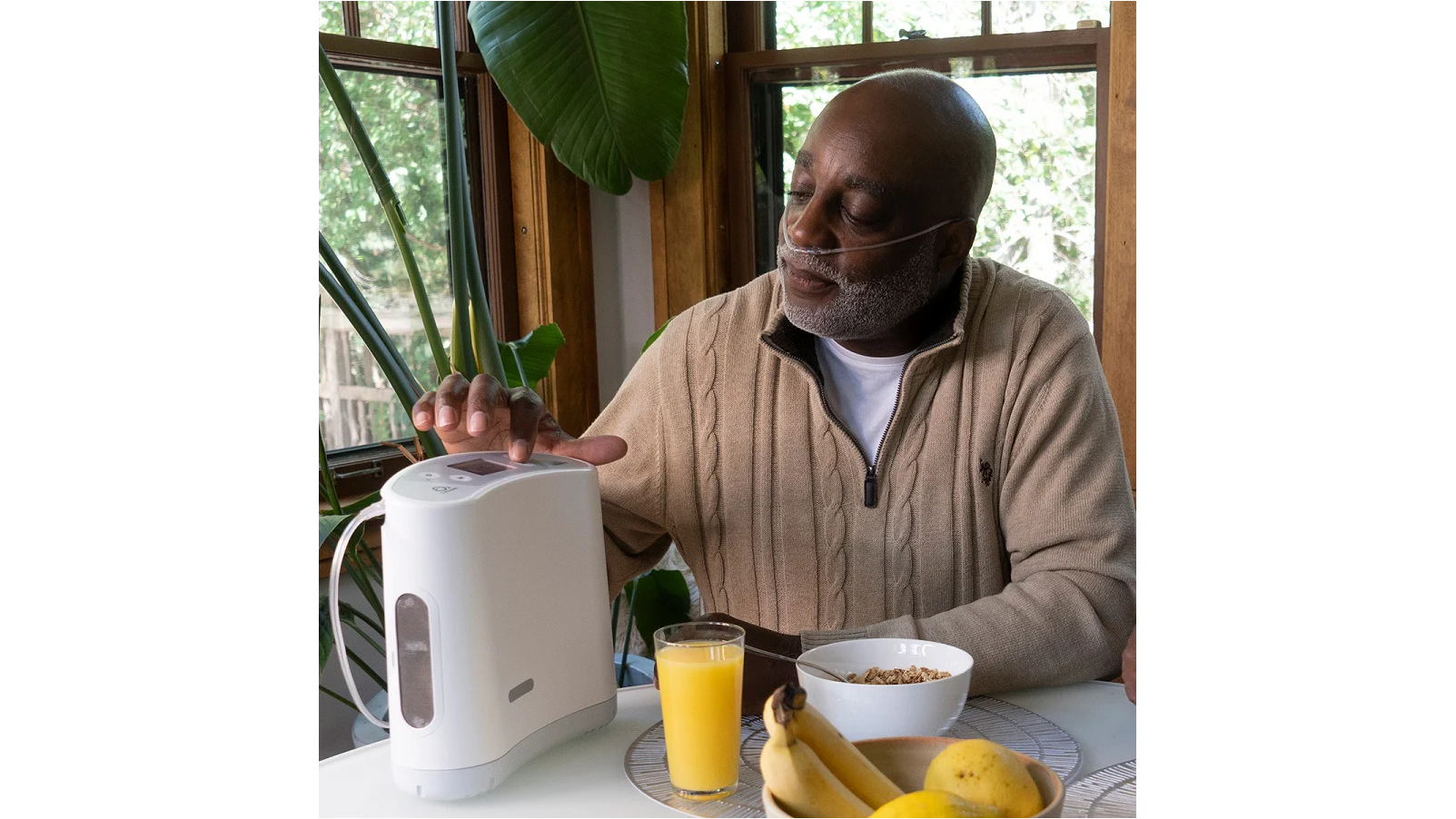
Choosing between a new and a used portable oxygen concentrator affects more than just your wallet. It can also influence long-term health outcomes, reliability, and peace of mind. The right decision comes down to weighing short-term savings against safety, warranty protection, and total lifetime cost.
It's no secret that used concentrators are more affordable up front. New units typically range from $1,995 and $3,200, while certified pre-owned models cost $1,000 to $2,500, depending on condition and seller. For patients managing long-term oxygen therapy, that's a major difference.
But the sticker price is only part of the story.
Used units may need battery replacements (which can cost hundreds), new sieve beds, or more frequent maintenance. Experts at Main Clinic Supply recommend looking at the total cost of ownership, not just what's on the price tag, when comparing options.
Medicare can offset costs for some patients, but the rules vary. It may cover a percentage of rental fees with the right prescription, but coverage for purchases, especially used equipment, is inconsistent. That means your insurance, usage pattern, and medical documentation will all play a role in what you actually pay over time.
Portable oxygen concentrators deliver therapy in two ways: continuous flow (a steady stream of oxygen) and pulse dose (oxygen delivered only when you inhale). Most portable models use pulse dose, which isn't suitable for everyone, especially if your doctor has prescribed a higher, continuous flow rate.
This prescription matters. Flow rate is measured in liters per minute and must match precisely to be effective. If you require higher volumes or constant delivery, your options in the used market may be limited. Older models often can't support those demands, making newer units with advanced systems a more reliable choice, especially for progressive conditions.
Battery performance plays a huge role in how much freedom you get from your concentrator. How long a device runs depends on the brand, flow setting, and battery type (single or double). For example, a double battery on the Inogen Rove 6 can last nearly 13 hours, while the Caire FreeStyle Comfort can hit 16 hours on lower flow settings.
The catch? Used devices may come with older batteries. This reduced capacity means shorter outings, more charging, and less freedom. If you live an active lifestyle, this matters. Replacement batteries can cost $200-$500 each, and many models need two to last the full day. That's a big factor when calculating the true cost of a used unit.
Not all concentrators are approved for airline travel. To fly, your device must meet FAA standards—and yes, the airline will ask for paperwork. Models like the Inogen Rove, SeQual Eclipse, and AirSep Lifestyle meet these requirements, but you'll need to double-check the specific unit's certification before booking that flight.
Newer units typically come FAA-approved out of the box, while some older used models may not meet current regulations. If travel is a priority, focus on recently manufactured devices to avoid last-minute headaches and ensure you meet safety and airline policies.
Where you buy your concentrator is just as important as what you buy. Seller reputation directly impacts device safety, warranty access, and long-term support. That's why it's critical to choose an accredited medical supplier with a verified business address, clear return policies, and customer service you can actually reach.
Reputable sellers and certified oxygen supply providers—like Main Clinic Supply—perform thorough inspections, replace worn-out components, and provide clear documentation of the unit's usage history. This level of transparency helps buyers assess both the condition of the equipment and its expected lifespan.
Brand-new concentrators come with fresh, unused components, including pristine sieve beds and batteries at full capacity. That means no wear-and-tear, no questionable repairs, and no risks tied to previous use. You're getting consistent oxygen purity and reliable delivery straight out of the box.
New units also meet hospital-grade sterility standards, so there's no need for deep cleaning or decontamination before use. Unlike used equipment, which may require extra disinfection steps, new concentrators are ready to go with standard maintenance protocols only.
Today's models aren't just lighter; they're smarter. Advanced units like the Inogen One Rove 6 use Intelligent Delivery Technology to automatically adjust oxygen output based on your breathing pattern. Whether you're resting, moving, or asleep, the device adapts in real time for optimal therapy.
Newer machines also offer longer battery life, reduced noise, sleeker interfaces, and better energy efficiency. These upgrades don't just enhance performance, they make everyday use easier, quieter, and more comfortable.
With new equipment, you're covered. Most models offer three years of protection on the machine, plus one year for batteries and sieve beds. Some manufacturers provide a shorter warranty across the board, so it's worth checking the details. But overall, buying new means you're backed if something goes wrong.
Warranties typically include free repairs, replacement parts, and direct support from the manufacturer, all of which can save you hundreds in surprise costs. It's a level of protection most used units just don't come with.
Buying a used portable oxygen concentrator from uncertified sources like Craigslist, eBay, or random online sellers might save money, but it comes with serious risks. These devices often skip professional inspections, recalibration, and maintenance. This means worn sieve beds, internal damage, or poor upkeep can lead to inconsistent oxygen concentration. And when you rely on it daily, that’s not something you want to gamble on.
Unverified sellers can't provide service records, oxygen purity test results, or even confirm if the unit's ever been professionally cleaned. That's a red flag for anyone who needs stable, therapeutic oxygen delivery to function safely day to day.
Used oxygen concentrators can harbor unseen internal contamination from previous users, especially if the device wasn't properly decontaminated. This goes far beyond a surface wipe-down. Bacterial growth deep within the internal components can pose serious risks when that air flows straight into your respiratory system.
Only certified suppliers have access to the specialized equipment, antimicrobial solutions, and clinical-grade protocols required to eliminate these threats. For any used unit, proper reconditioning and hospital-grade sanitization are essential because nothing less is safe when it comes to oxygen therapy.
The best choice depends on your medical requirements, lifestyle, and budget. For daily, high-demand use, a new unit with full warranty coverage and modern features offers maximum reliability and peace of mind.
Certified pre-owned models can be a smart solution for those with lighter oxygen needs, as backup units, or when working within tighter financial limits. However, regardless of budget, the equipment must match your prescription and come from a certified, accredited supplier to ensure safety and support.
For guidance on selecting a device that meets your medical and personal needs, consulting with specialists like the team at Main Clinic Supply, can provide the clarity and confidence you need to make an informed, medically sound decision.


