From Creole gumbo to fruity Hurricanes, New Orleans blends French, African, and Caribbean flavors into America’s most distinctive food scene. Don’t leave without trying po’ boys, beignets, and the iconic Sazerac cocktail. New Orleans Local Unplugged tells the story of this culinary capital.
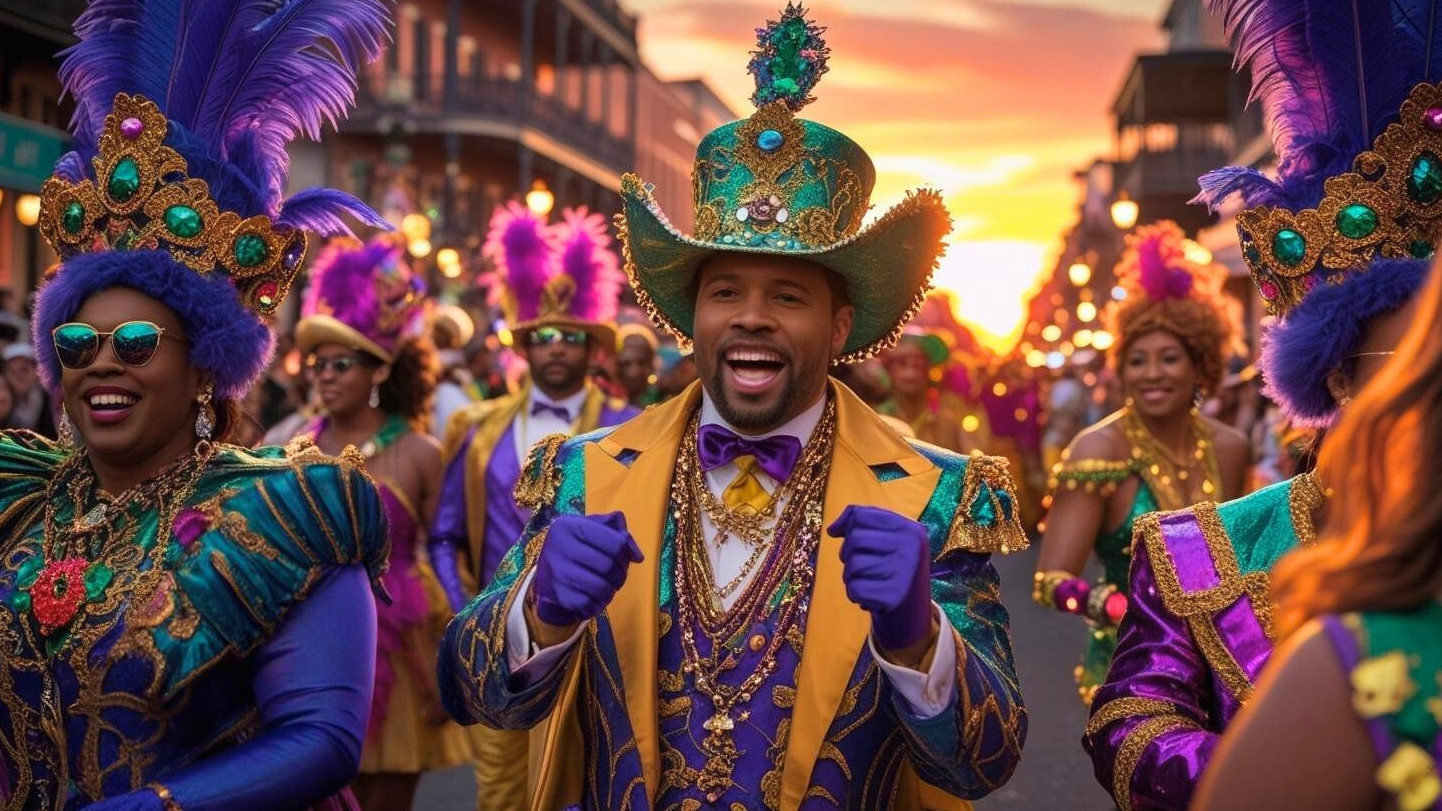
When you step into New Orleans, you're not just visiting a city – you're entering America's most distinctive food culture. The cuisine here tells the story of the region's complex history, blending French, Spanish, African, and Caribbean influences into something unique.
What sets New Orleans cuisine apart is its remarkable fusion of techniques and ingredients. Creole cooking, with its sophisticated European roots enhanced by African and Caribbean flavors, sits alongside hearty Cajun country fare. Both traditions celebrate the abundant seafood from nearby Gulf waters and the fertile Mississippi Delta. The result is a food scene unlike anywhere else in America – where a single meal might feature spicy seafood gumbo, red beans and rice simmered with smoky andouille sausage, and pillowy beignets dusted with powdered sugar.
The food culture here isn't just about what's on your plate – it's a way of life. New Orleanians take immense pride in their culinary heritage, passing down recipes through generations and debating the merits of different restaurant versions with passionate intensity. Mealtimes are celebrated occasions rather than mere necessities, and the city's calendar revolves around food-focused festivals that highlight everything from crawfish to gumbo. In New Orleans, food isn't just sustenance, it's a daily celebration of culture, history, and community. And the stories in New Orleans Local Unplugged illustrate that point.
Gumbo represents the cultural mix of New Orleans in a single bowl. This rich, flavorful stew begins with a dark roux – flour slowly cooked in fat until it reaches a deep chocolate color. The holy trinity of Louisiana cooking (onions, bell peppers, and celery) forms the aromatic base, while okra or filé powder (ground sassafras leaves) provides thickening power.
Two primary variations dominate the scene: seafood gumbo loaded with plump Gulf shrimp, sweet blue crab, and sometimes briny oysters; and chicken and andouille sausage gumbo offering a hearty, smoky profile. Both are typically served over rice, creating a deeply satisfying meal that carries centuries of culinary history in every spoonful. The Gumbo Shop in the French Quarter serves exemplary versions of both styles, though locals fiercely debate which restaurant truly makes the best in town.
Jambalaya showcases how New Orleans transforms humble ingredients into something magnificent. Similar to Spanish paella but with distinct Creole or Cajun flavors, jambalaya combines rice, meat, seafood, and vegetables in a single pot. The Creole version, more common in New Orleans proper, includes tomatoes for a reddish tint, while rural Cajun jambalaya typically omits them for a brownish hue.
This one-pot wonder typically features spicy andouille sausage paired with chicken, shrimp, or both. The proteins are browned first, followed by the trinity of vegetables, rice, and stock, then simmered until the rice absorbs all the complex flavors. The result is a beautifully seasoned, complete meal that has fed Louisiana families for generations. For an authentic taste, try Mother's Restaurant, where their jambalaya captures the essence of this beloved dish.
Perhaps no dish captures New Orleans' practical approach to delicious eating better than red beans and rice. Traditionally served on Mondays (washday, when women needed an easy meal that could simmer unattended while doing laundry), this humble combination has become a cornerstone of local cuisine.
Red kidney beans are slow-cooked with the trinity, garlic, herbs, spices, and usually ham hocks, pickled pork, or andouille sausage until they create a creamy, flavorful pot liquor. Served over fluffy white rice, this seemingly simple dish delivers remarkable depth of flavor. Many locals claim the beans taste even better on Tuesday, after the flavors have had time to meld overnight. For the quintessential version, head to Willie Mae's Scotch House, where their velvety red beans accompany their famous fried chicken.
The word étouffée (pronounced eh-too-FAY) comes from the French word meaning "smothered," which perfectly describes this luscious, thick seafood stew. Crawfish étouffée is the classic version, though shrimp étouffée runs a close second in popularity throughout the city.
Unlike gumbo, étouffée starts with a lighter roux and features a higher ratio of seafood to sauce. The crawfish tails or shrimp are gently "smothered" in the rich, butter-laden sauce until they're perfectly cooked, resulting in a decadent dish that's spicy, complex, and impossible to forget. Served over rice, étouffée offers the perfect middle ground between a sauce and a stew. Commander's Palace in the Garden District serves a crawfish étouffée that perfectly balances tradition with refined technique, making it well worth the visit.
The po' boy sandwich tells a uniquely New Orleans story. Born during the 1929 streetcar strike, these hearty sandwiches were created by Bennie and Clovis Martin, former streetcar conductors turned restaurant owners, who served free sandwiches to their striking colleagues – the 'poor boys' – hence the name.
Today's po' boys feature crusty French bread with a soft interior, traditionally filled with crispy fried seafood (shrimp, oyster, or catfish) or roast beef 'debris' – meat simmered until falling apart, served with gravy. Dressed po' boys come with lettuce, tomato, pickles, and mayonnaise. The combination of textures – the crunch of the bread against the tender filling- creates an unforgettable sandwich experience that captures New Orleans' ability to elevate simple ingredients.
Another sandwich with immigrant roots, the muffuletta showcases the influence of Italian immigrants who settled in New Orleans. Created at Central Grocery in the French Quarter in the early 1900s, this massive sandwich features a round loaf of sesame-studded Sicilian bread filled with layers of Italian meats (salami, ham, mortadella), provolone cheese, and the signature olive salad – a marinated mix of olives, vegetables, and herbs that gives the sandwich its distinctive flavor.
A full muffuletta can easily feed two or more people, and the flavors improve as the olive salad's olive oil soaks into the bread. The combination of salty, tangy, and savory elements makes this sandwich a perfect reflection of how New Orleans accepts and transforms culinary traditions from around the world.
New Orleans celebrates Gulf oysters in multiple preparations, each showcasing different aspects of these briny bivalves. Oysters Rockefeller, invented at Antoine's Restaurant in 1899, features oysters on the half-shell topped with a rich, herb-green sauce and breadcrumbs, then baked – named for John D. Rockefeller because the sauce was as rich as he was.
Charbroiled oysters represent a more recent innovation – oysters grilled over an open flame with garlic butter, herbs, and Parmesan cheese. This preparation delivers smoky, savory perfection that converts even reluctant oyster eaters with its irresistible aroma and flavor.
Though originally from the Lowcountry of South Carolina and Georgia, shrimp and grits have been adopted by New Orleans chefs who have added local flavors to create a distinctly Crescent City version. Plump Gulf shrimp are cooked with the trinity, garlic, and Creole spices, then served over creamy stone-ground grits often enriched with butter and cheese.
The dish strikes a perfect balance between comforting and sophisticated, making it a staple on brunch menus across the city. The combination of tender shrimp and velvety grits provides a textural contrast that highlights why this dish has become a New Orleans favorite.
Crawfish, those small freshwater crustaceans resembling tiny lobsters, are a Louisiana obsession during their spring season. While crawfish boils are communal events typically enjoyed at homes or casual restaurants, New Orleans chefs incorporate these sweet-flavored crustaceans into numerous dishes.
From crawfish étouffée with its rich, roux-based sauce to crawfish pies featuring savory filling encased in flaky pastry, these versatile crustaceans appear in countless New Orleans specialties. Their sweet, delicate flavor makes them worth seeking out during your visit, especially during peak season from February to May.
Seafood boils exemplify Louisiana's communal dining traditions. Typically featuring crawfish, shrimp, crabs, or a combination, these feasts involve seafood boiled with corn, potatoes, sausage, and a blend of spices. The entire mixture is often dumped directly onto a newspaper-covered table for everyone to share.
The experience is as much about the social aspect as the food itself – gathering around the table, peeling shellfish, and enjoying conversation makes the seafood boil a perfect representation of New Orleans' community-centered food culture.
No New Orleans food journey is complete without beignets – square pieces of dough fried until golden and buried under a mountain of powdered sugar. Eat these pillowy French-style doughnuts when they are fresh and hot. That's when the contrast between their crisp golden exterior and soft, airy interior is at its peak.
The traditional accompaniment is café au lait – coffee mixed with hot milk, often including chicory, which adds a distinctive, robust flavor. The combination offers a perfect balance of sweet, bitter, and creamy notes that has become a quintessential New Orleans breakfast experience.
This flamboyant dessert dates back to 1951 at Brennan's Restaurant, named after loyal customer Richard Foster. Bananas are sautéed in a buttery sauce of brown sugar and cinnamon, then bathed in banana liqueur and rum before being flambéed tableside with theatrical flair. The caramelized bananas are served over vanilla ice cream, creating an irresistible hot-cold contrast.
These sweet pecan confections showcase the French influence on New Orleans candy-making. Traditional pralines (pronounced "prah-leens" locally) combine sugar, butter, cream, and pecans into a fudge, like patty that melts in your mouth, balancing sweetness with the nuts' richness. They make perfect edible souvenirs that capture the sweet side of New Orleans cuisine.
Often called America's oldest cocktail, the Sazerac began in the 1830s as a medicinal tonic created by Antoine Peychaud, a Creole apothecary who mixed cognac with his proprietary bitters. Over time, the recipe evolved to include rye whiskey, a touch of absinthe (or Herbsaint), sugar, and Peychaud's bitters, resulting in a sophisticated, complex drink that represents New Orleans' cocktail craftsmanship.
This fruity rum cocktail was created during World War II at Pat O'Brien's Bar when whiskey was scarce and distributors forced bars to buy multiple cases of rum with each whiskey purchase. The classic recipe combines light and dark rum with passion fruit syrup, lime juice, and orange juice, served in a distinctive hurricane lamp-shaped glass that has become an iconic French Quarter souvenir.
This labor-intensive cocktail was created in the 1880s by Henry C. Ramos. The recipe calls for gin, cream, egg white, sugar, lemon and lime juices, orange flower water, and soda water – shaken vigorously to achieve the perfect frothy texture. The result is a cloud-like, refreshing cocktail that showcases the art of mixology at its finest.
New Orleans has a tradition of sophisticated morning cocktails. Brandy Milk Punch, a brunch favorite, combines brandy (or bourbon), milk, sugar, and vanilla with a sprinkle of nutmeg – creamy, sweet, and potent. Café Brulot offers a theatrical after-dinner coffee drink infusion with brandy, orange liqueur, citrus peels, cinnamon, and cloves, often prepared tableside with an impressive flame display.
As you try the culinary wonders of New Orleans, each dish reflects the city's cultural mix, French foundations, Spanish influences, African ingredients and techniques, Caribbean spices, and the contributions of various immigrant groups.
Every bite tells a story of cultural exchange and culinary creativity that makes New Orleans one of America's most important food destinations. Blazer Digital Media, through their New Orleans Local Unplugged digital magazine, can help you discover the authentic tastes of this remarkable city.


