Modern dental technology transforms emergency care through digital imaging, teledentistry consultations, and same-day restorations that eliminate lengthy waits. AI-powered diagnostics catch hidden damage, while advanced sedation options and laser treatments turn previously frightening procedures into comfortable experiences, prioritizing speed and patient well-being.
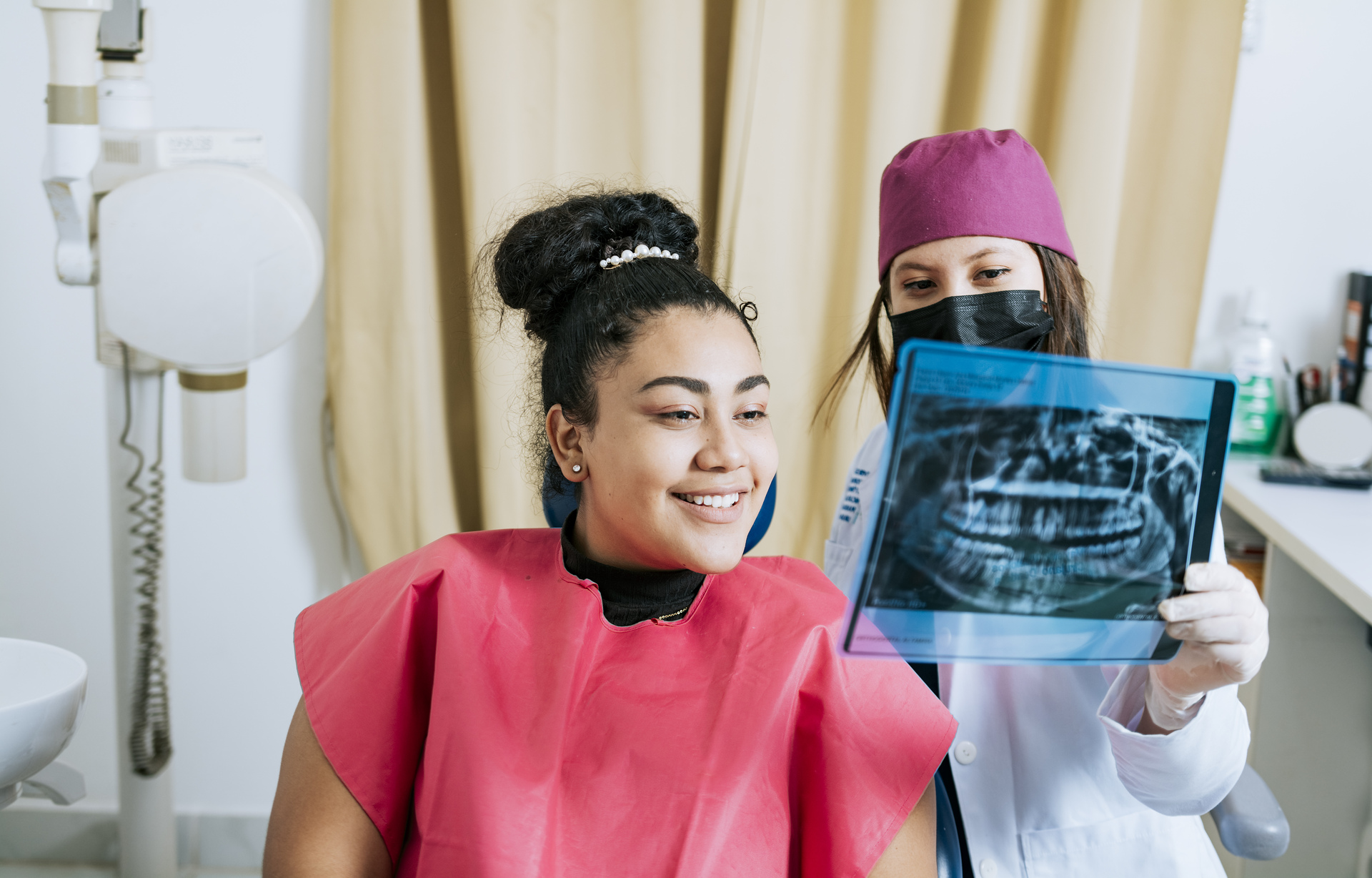
A sudden toothache at midnight or a cracked tooth during dinner creates panic because traditional dental care meant waiting hours or days for help. Modern dental technology has changed emergency dental care by making diagnosis faster, treatment more comfortable, and outcomes more predictable than before.
Rock Hill, SC-based River District Smiles Dentistry shares the latest technologies used in modern dentistry, explaining how these advances help patients when every minute counts.
Most dental emergencies happen outside regular office hours when patients have limited options and minimal information about what's wrong with their teeth. Traditional X-rays took time to develop, required multiple angles for complete views, and exposed patients to higher radiation levels during already stressful situations. Dental professionals relied primarily on visual checks and patient descriptions, which sometimes missed underlying damage that would cause bigger problems later on.
The waiting game frustrated everyone involved because patients sat in discomfort while dentists worked with incomplete information about what was actually happening. Manual impression materials made patients gag and required multiple attempts to get usable molds, adding unnecessary time to procedures that already felt urgent. Without clear visual aids, dentists struggled to explain complex problems to frightened patients who needed to understand their options quickly and make decisions.
Time sensitivity separates emergency dental care from routine appointments because infections spread rapidly and injuries worsen quickly without the right treatment at the right moment. Patients experiencing severe pain or trauma often feel too anxious to absorb complex medical information or make clear decisions about what should happen next. The emotional part of dental emergencies means technology must address both clinical needs and patient comfort at the same time for things to work.
Digital X-rays appear on computer screens within seconds, allowing dentists to look at your dental structure immediately without any waiting period between exposure and viewing. These systems use up to ninety percent less radiation than traditional X-rays while producing clearer, more detailed images of teeth, roots, and surrounding bone tissue. Three-dimensional scans create complete views of your mouth from every angle, revealing hidden cracks, infections, or damage that flat images might miss completely.
Cone beam scans provide dentists with detailed data about tooth position, nerve locations, and bone density in minutes instead of requiring hours of processing time. This detailed information removes guesswork during emergency procedures and helps dental professionals plan precise treatments that address the full extent of damage found. Early detection of complications becomes possible because digital images can be enhanced, zoomed in on, and analyzed in ways that traditional films never allowed.
Teledentistry platforms connect patients with dental professionals through video calls when immediate office visits might not be necessary or even possible at that moment. Someone experiencing dental discomfort at night can receive professional assessment and guidance without leaving home, reducing unnecessary emergency room visits for situations that aren't urgent. Dentists can visually check injuries, recommend immediate pain management steps, and figure out whether the situation requires urgent in-office treatment or can wait safely.
These virtual consultations provide peace of mind during stressful situations because patients receive expert opinions within minutes rather than waiting hours or days for help. Remote monitoring allows dental professionals to follow up on healing progress after emergency treatments without requiring patients to take time off work or find rides. The convenience factor matters tremendously for busy families, elderly patients with mobility challenges, and anyone facing unexpected dental problems during really inconvenient times.
Modern Sedation Options That Work:
Laser technology has changed emergency dental procedures by making treatments less invasive and significantly more comfortable for patients who feel anxious about dental work. These precise instruments reduce bleeding, minimize swelling, and often remove the need for traditional drilling that many people find absolutely terrifying during procedures. Laser treatments typically heal faster than older methods because they cause less trauma to surrounding tissues during emergency procedures that need to happen quickly.
Digital impression systems replace messy putty materials with comfortable scanning wands that capture detailed tooth models in minutes without causing gagging or major discomfort. This technology speeds up the creation of temporary crowns, bridges, or other restorations needed during emergency visits when getting things done quickly really matters.
Computer-aided design and manufacturing systems create custom dental restorations like crowns during single appointments, removing the need for temporary solutions and multiple frustrating visits. Patients who crack or lose teeth can leave the office with permanent fixes rather than wearing uncomfortable temporaries for weeks while outside laboratories to work. Three-dimensional printing technology produces surgical guides, custom night guards, and temporary prosthetics right in the office within hours rather than days or entire weeks.
This immediate treatment capability matters tremendously during dental emergencies because patients want their problems solved quickly without extended recovery periods that disrupt their lives. The precision of computer-designed restorations ensures better fits, improved comfort levels, and longer-lasting results compared to traditional laboratory-made alternatives that took much more time.
Artificial intelligence diagnostic tools analyze digital X-rays and patient data to identify dental issues with remarkable accuracy and speed that human eyes alone can't match. These systems help dentists detect early-stage infections, hidden fractures, or developing complications that might escape notice during visual examinations alone when things are happening fast. Machine learning systems can prioritize emergency cases by severity levels, helping dental practices efficiently manage multiple urgent situations and ensure the most critical cases get attention.
The technology reduces diagnostic errors and provides dental professionals with valuable second opinions that improve treatment outcomes for emergency patients who need accurate answers. AI systems trained on huge databases of dental images can recognize patterns and problems that even experienced dentists might overlook during high-pressure emergencies.
Intraoral cameras provide real-time views of dental problems on computer screens, allowing patients to see exactly what dentists observe inside their mouths. This transparency reduces anxiety because people understand their dental conditions rather than simply trusting verbal descriptions of problems they cannot see for themselves. Dentists can point out specific areas of concern, explain treatment options visually with real images, and help patients make informed decisions about emergency care.
The educational part of these visual tools empowers patients to participate actively in treatment decisions rather than feeling helpless during dental emergencies when everything feels chaotic. Treatment planning software creates visual simulations showing expected outcomes, helping patients understand what their smiles will look like after emergency repairs or major restorations.
Dental practices that invest in advanced technology show their commitment to providing efficient, comfortable emergency care when patients need help most urgently and desperately. These modern offices combine multiple technological solutions to handle the full range of emergency dental situations, from minor chips to severe infections requiring immediate help. Practices equipped with digital imaging, teledentistry capabilities, and in-office fabrication systems handle most emergencies completely within single visits instead of requiring multiple appointments.
Regular dental checkups using advanced diagnostic technology catch small problems like hairline cracks or early decay before they turn into painful emergencies that ruin weekends. Maintaining good oral hygiene habits prevents many dental emergencies by keeping teeth and gums healthy enough to resist damage from daily wear and normal use. Custom-fitted mouthguards protect teeth during sports activities and prevent the dental trauma that leads to emergency room visits and urgent unplanned dental appointments.
Addressing minor dental issues right away prevents them from growing into serious problems requiring emergency intervention and extensive, expensive treatments nobody wants to pay for. Professional cleanings remove harmful bacteria and tartar buildup that contribute to infections, abscesses, and other conditions requiring urgent dental care and quick action.
Severe tooth pain that doesn't respond to over-the-counter medications signals serious problems requiring professional evaluation and treatment within hours, absolutely not days or weeks. Knocked-out teeth have the best chance of successful reimplantation when patients reach dental offices within thirty to sixty minutes of when the injury actually happened. Facial swelling, especially near the jaw or neck areas, indicates potentially dangerous infections that can spread rapidly without immediate antibiotic treatment and proper drainage.
Uncontrolled bleeding from dental injuries, loose adult teeth, or severe damage to dental restorations all represent genuine emergencies requiring same-day professional attention without question. Waiting too long to address these situations often results in more complex treatments, longer recovery periods, and significantly higher costs than immediate intervention requires.
Dental emergencies no longer mean enduring hours of uncertainty and discomfort thanks to technological advances that have transformed urgent dental care completely and permanently. Choosing dental providers who use advanced technology ensures access to efficient, comfortable emergency care when dental disasters strike at the absolute worst possible times.


