Choosing multimedia art means understanding how materials work together to create the depth your walls currently lack. From evaluating craftsmanship to finding pieces that match your space’s purpose, the right approach transforms generic decoration into meaningful expression that evolves with daily viewing.
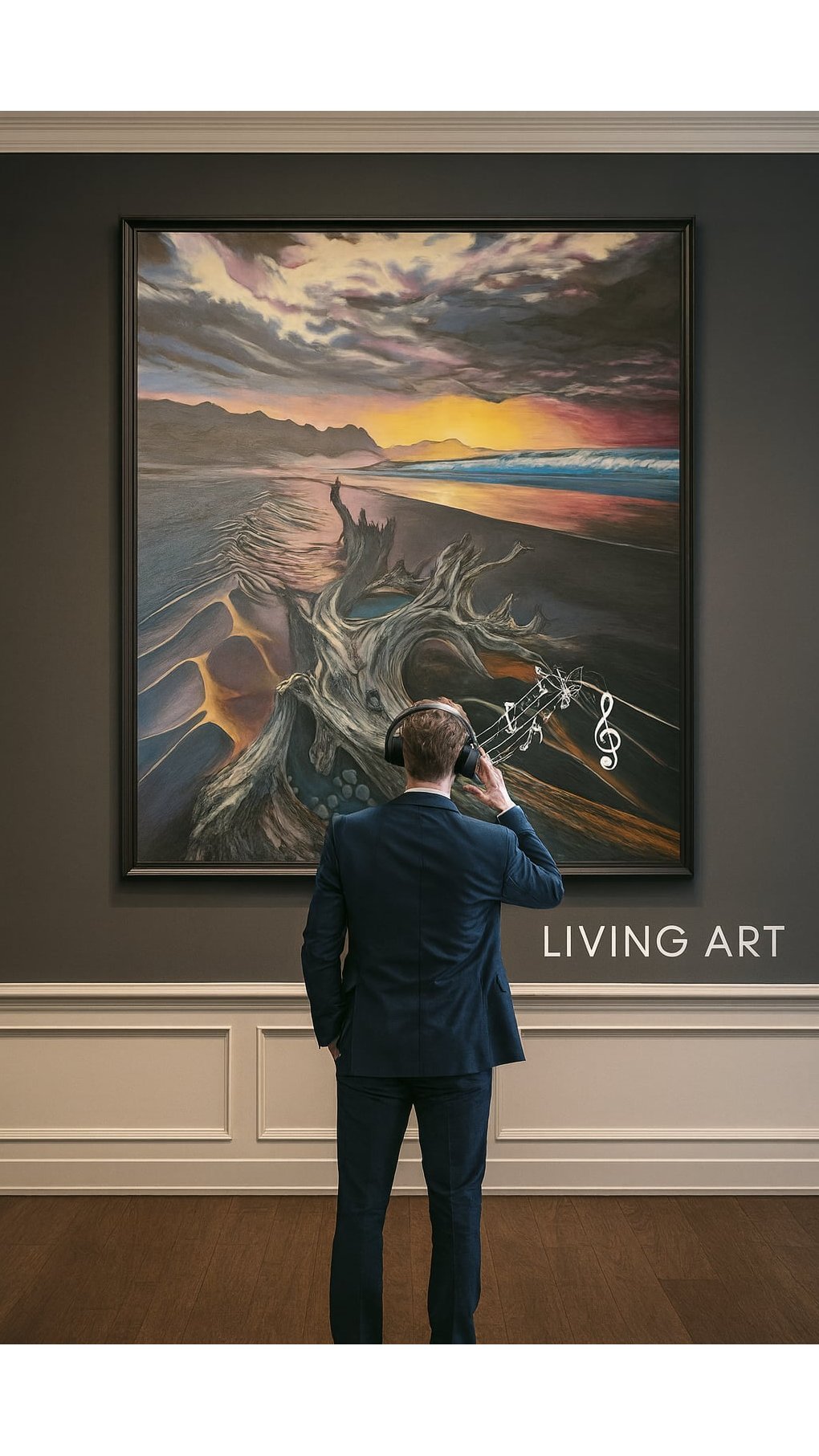
Most homeowners spend weeks choosing paint colors and furniture, but overlook what actually transforms empty walls into conversation starters. Multimedia wall art layers traditional techniques with modern materials to engage viewers on multiple sensory levels.
Standard prints look flat because they offer only one dimension of artistic communication. When artists combine art with music, paint with fabric, photography with hand-drawn elements, or add three-dimensional objects, something shifts—the work starts telling richer stories. Here's what separates meaningful multimedia pieces from ordinary decoration.
A single painting or photograph can't capture the complexity of emotions you want your space to express. That's the core problem with traditional artwork—it presents one artistic viewpoint without the depth modern living spaces need.
Finding pieces that genuinely reflect personality proves harder than filling blank wall space with generic decoration. Because most people struggle to identify what distinguishes meaningful art from simple decoration, they settle for mass-produced prints. Their homes end up feeling impersonal, lacking the emotional depth that makes a house genuinely comfortable.
Various materials and techniques within a single piece create layered meaning that standard artwork can't achieve. An artist might combine paint with fabric or incorporate photography alongside hand-drawn elements. Even better, three-dimensional objects cast shadows that change appearance throughout the day as natural light shifts.
This approach creates visual interest that evolves depending on viewing angle and lighting conditions. The combination of textures invites closer inspection, revealing new details with each interaction. Rather than static decoration, you get an ongoing relationship between artwork and observer.
Strategic combinations enhance rather than overwhelm the central artistic vision—that's where the power comes from. When balanced thoughtfully, sound and image create immersive experiences that flat prints simply cannot match. Tactile elements like carved wood or textured canvas add a physical dimension you can almost feel from across the room.
Despite varied components, successful multimedia works maintain cohesion because skilled artists understand how each element contributes to the overall narrative. Traditional techniques like painting honor artistic heritage, while modern approaches such as digital manipulation embrace contemporary innovation. The result bridges past and present in ways that feel fresh yet familiar.
Different spaces serve distinct functions, so your art choices should support rather than fight against those purposes. Living rooms benefit from pieces that invite conversation and contemplation. Bedrooms need artwork promoting calm without overwhelming the restful atmosphere you're trying to create.
Scale matters significantly because textured, layered pieces appear more visually dominant than flat artwork of identical dimensions. Before making your final selection, measure your wall space carefully and consider how the piece will interact with existing furniture and lighting fixtures. Architecture plays a role, too—high ceilings can handle bolder, larger works that might overwhelm a cozy room.
When materials complement textures and finishes already present in your room's design, multimedia artworks work best. Homes with natural wood elements pair beautifully with pieces incorporating organic materials like canvas, paper, or natural fibers. Meanwhile, spaces featuring metal accents and clean lines benefit from works including industrial components or geometric digital elements.
Color palettes deserve special attention because layered works often display colors differently depending on lighting and viewing angle. Take photos of your space in various lighting conditions, then compare them against images of artwork you're considering. This simple step ensures colors will genuinely enhance rather than clash with your existing design choices.
Thoughtful material selection means each component serves the artistic vision rather than simply adding visual complexity for its own sake. Artists working with multiple materials understand how different components age and interact with environmental conditions over the years of display. That knowledge shows in their choices.
Technical execution reveals skill level through clean integration of diverse elements and proper adhesion, preventing components from separating over time. Protective finishes shield delicate materials from dust, moisture, and UV damage. These details separate investment-worthy pieces from decorative items that deteriorate quickly or demand constant maintenance to remain presentable.
Meaningful multimedia art expresses a distinct artistic perspective rather than simply combining popular techniques without purpose. Canadian artists in this medium often draw inspiration from diverse landscapes, multicultural communities, and tensions between urban development and natural preservation. These influences show through in their work.
Compelling pieces balance technical skill with emotional resonance, creating works that engage viewers intellectually while triggering genuine emotional responses. This combination of craft and concept transforms decorative objects into meaningful art. Even after years of daily viewing, the best pieces continue to reveal new layers of meaning you hadn't noticed before.
Galleries focusing on contemporary and multimedia art provide curated selections where experts have already vetted technical quality and artistic merit. Staff at these spaces understand the complexities of multimedia work and can explain materials, techniques, and concepts behind each piece. This guidance helps buyers make informed decisions rather than impulse purchases based solely on initial visual appeal.
Direct relationships with artists offer opportunities to commission custom pieces tailored specifically to your space and preferences. Artists working across Canadian provinces bring regional influences and perspectives that add cultural depth to their multimedia creations. These connections result in works reflecting authentic artistic vision rather than manufactured trends.
Digital galleries have expanded access by allowing viewers to explore collections from artists across the country without geographic limitations. Quality online platforms provide detailed photographs from multiple angles, information about materials and dimensions, and often video content showing pieces under different lighting conditions.
Accurately assessing texture, scale, and color accuracy through screens presents challenges that make return policies and satisfaction guarantees particularly important. Some galleries now offer virtual consultation services where experts guide you through selections via video call. This approach brings personalized service to the convenience of online shopping.
Different materials within multimedia pieces require different care approaches, making it essential to understand specific components in your artwork. Pieces incorporating paper or fabric need protection from direct sunlight, which causes fading. Works with metal elements may require occasional treatment to prevent tarnishing in humid environments.
Regular dusting with soft, dry cloths prevents buildup that can dull surfaces and work into textured areas where removal becomes difficult. Unless specifically recommended by the artist or gallery, avoid cleaning products—chemicals can react unpredictably with mixed materials. What seems helpful might cause irreversible damage to components you're trying to protect.
Temperature and humidity fluctuations stress multimedia artworks by causing different materials to expand and contract at varying rates. This can lead to warping, cracking, or separation over time. Hanging pieces away from heating vents, air conditioning units, and exterior walls experiencing temperature extremes helps maintain stable conditions that preserve artwork integrity.
Strategic lighting enhances multimedia pieces by highlighting textures and creating shadow play that gives dimensional works their full visual impact. LED fixtures work best because they generate minimal heat and UV radiation compared to traditional bulbs. They protect sensitive materials while providing illumination that brings layered compositions to life.
Quality multimedia wall art adds depth and texture that standard decoration cannot achieve. The combination of various materials creates pieces that evolve as you interact with them, revealing new details that keep spaces feeling fresh.
Understanding what distinguishes thoughtful multimedia work from simple mixed-media decoration helps you invest in pieces that maintain their impact for years. Artists continue pushing boundaries in this field, creating works that honor traditional craftsmanship while embracing creative possibilities that new materials provide. When you take time to research perspectives and techniques that resonate with your values, you invest in more than decoration. The right multimedia piece becomes an inspiration that reflects the thought you put into creating a home that represents who you are, transforming ordinary walls into spaces with genuine emotional depth and personal meaning.


