As energy prices fluctuate and stove installations rise across the UK, more homeowners are weighing the pros and cons of multi fuel versus wood burning stoves. Here’s what to consider—plus expert-backed tips on keeping your stove efficient, safe, and built to last.
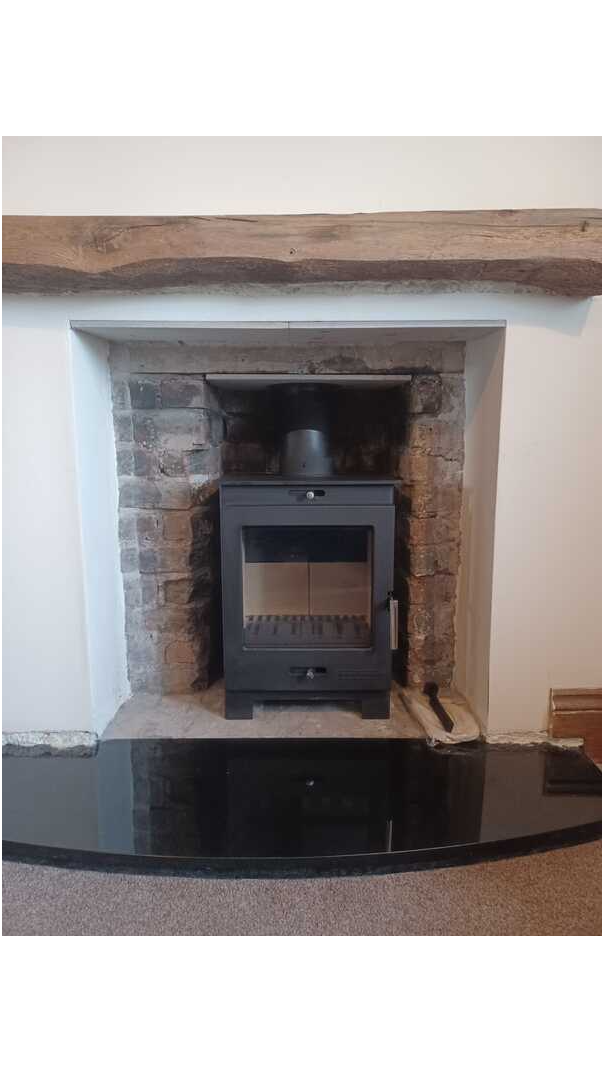
If you're in the market for a solid fuel stove, chances are you've asked yourself: "Should I go for multi-fuel or just wood burning?" But it isn't just a matter of fuel preference—it's also about heating performance, emissions, upkeep, and long-term savings.
And with rising from 9.4% to 10.3% of UK homes between 2022 and 2024 (UCL, 2025), it's a choice more people are making than ever before.
Wood-burning stoves are designed specifically for burning wood logs. That means they're optimised for combustion and generally run cleaner and hotter—if you use well-seasoned hardwood with under 20% moisture.
Multi-fuel stoves, on the other hand, are built to handle various fuels—wood, smokeless coal, briquettes—giving you more flexibility depending on availability, cost, and regulations in your area.
Both stove types boast high efficiencies when used correctly:
But efficiency isn't just about what's on the box. It's about how the stove is used—and maintained.
According to the Stove Industry Alliance, wood logs are 74% cheaper per kilowatt hour than electric heating and 21% cheaper than gas. Multi-fuel stoves let you adapt if wood isn't accessible or allowed (especially in smoke control zones), but some fuels like coal and smokeless fuels may produce higher particulate emissions than wood.
Whichever you choose, fuel quality matters. Burning wet wood, for example, tanks your efficiency and hikes up creosote buildup.
While wood-burning stoves have drawn scrutiny over pollution, DEFRA reports that stoves contribute only 1% to 2% to London's PM2.5 emissions. That said, indoor pollution and health risks increase dramatically when stoves are poorly maintained.
Both stove types must meet Ecodesign and often DEFRA approval standards to be sold legally in the UK since 2022. Keeping your stove compliant starts with regular upkeep.
Even the most efficient stove can become a hazard without professional care.
Annual servicing helps:
Professionals like those at recommend a yearly check to clean internal components, inspect flues, and ensure safety standards are met. Certified engineers—such as those accredited by UK bodies like HETAS and OFTEC—service a range of stoves such as wood, multi-fuel, and biomass, offering advice for both rural homes and smoke-controlled zones.
If you're focused purely on clean, high-efficiency heating and plan to stick with seasoned wood, a modern wood-burning stove may be your best bet. If fuel flexibility and all-year adaptability matter more, especially in regulation-heavy areas, a multi-fuel stove could be worth the extra cost.
In both cases, the biggest performance variable isn't the stove—it's the upkeep. Regular is the key to keeping your heating system efficient, safe, and compliant.
If you're unsure how to keep your setup running cleanly and safely, consulting local experts—such as the team at Hopkins Log Burners—can help you protect your home, your investment, and your peace of mind for winters to come.


