Daily motivation needs practical tools that stick. While self-help books gather dust, functional items like inspirational mugs deliver consistent positive messaging during routine activities, making mindset shifts more sustainable.
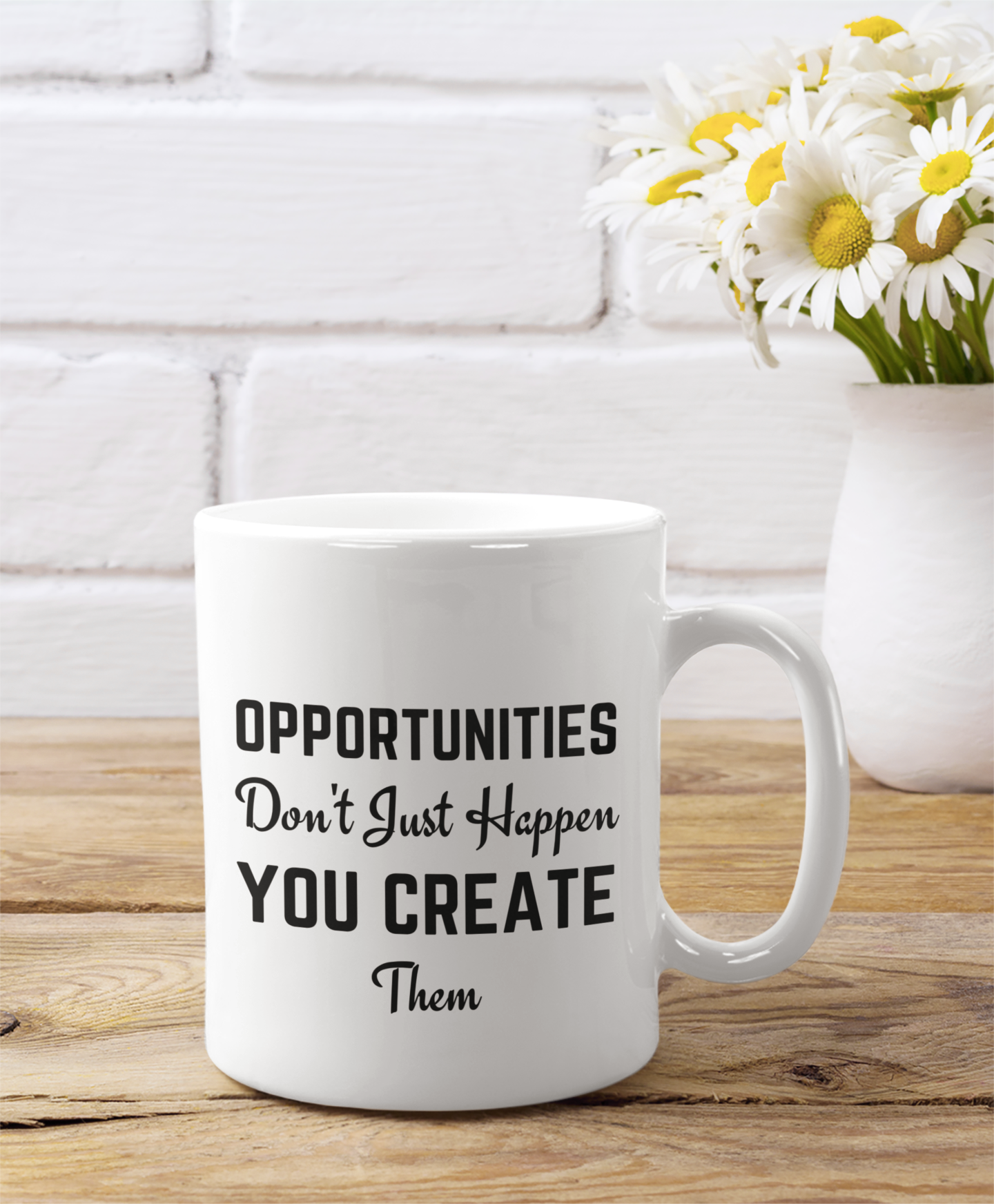
Your morning routine shapes your entire day, yet most people start with news feeds and email notifications that drain energy before they've even left the house. Studies have shown that 93% of adults drink coffee at least once a week, creating a great opportunity for positive reinforcement that most people completely ignore.
The self-help industry generates billions annually, but completion rates tell a different story. Most purchased books remain unfinished, apps get deleted after a week, and expensive courses become digital shelf decorations that trigger guilt rather than growth.
Generic motivational products fail because they demand time you don't have and energy you haven't built yet. A 300-page book requires hours of focused reading when you're already overwhelmed with daily responsibilities, while meditation apps send notifications that compete with work emails and family needs.
Self-help products also suffer from the "special occasion" problem where people save them for when they have proper time and mental space. This creates a cycle where the tools you need most during stressful periods remain unused because stress makes you feel unprepared to engage with them properly.
The psychology behind failed self-help attempts often stems from unrealistic expectations about dramatic life changes rather than small, consistent improvements that compound over time. People expect instant transformation from products that require sustained effort and behavioral changes that feel overwhelming when you're already struggling with motivation.
Your environment influences behavior more than willpower alone. Visual cues and daily reminders work because they require zero additional effort while providing consistent reinforcement during activities you're already performing automatically.
Morning beverage consumption represents an established habit that happens regardless of mood, energy level, or schedule changes. By attaching positive messages to this existing routine, you bypass the resistance that comes with trying to add new behaviors to an already packed schedule.
The repetition factor cannot be overstated when it comes to mindset development. While a book delivers its message once during reading, functional items provide daily reinforcement that helps new thought patterns become automatic responses rather than conscious efforts that require mental energy.
Research in environmental psychology demonstrates that physical surroundings significantly impact cognitive function and emotional state. Positive visual cues in frequently used spaces create subconscious associations that influence decision-making throughout the day, even when you're not actively thinking about the message.
This principle explains why motivational posters in offices often fail while personal items with meaningful messages succeed. The difference lies in personal ownership and functional integration rather than passive decoration that becomes invisible over time.
Not all positive messaging creates equal impact. Generic phrases like "believe in yourself" lack specificity and personal relevance, while action-oriented statements that suggest concrete behaviors tend to generate better results.
The most effective motivational messages combine encouragement with actionable guidance. Phrases like "opportunities don't just happen, you create them" provide both motivation and direction, helping users understand what steps they can take rather than simply feeling good temporarily.
Personal relevance increases effectiveness significantly, which explains why customizable options outperform mass-produced generic statements. When messages align with individual goals and challenges, they create stronger psychological connections that translate into behavioral changes.
Quality matters when selecting functional motivational items because poor construction undermines the positive message. Faded text or cracked surfaces create negative associations that counteract the intended psychological benefits.
Premium materials and thoughtful design elements like raised text or attractive color schemes increase the likelihood that items will be used consistently rather than relegated to storage. The visual appeal and tactile experience contribute to the overall effectiveness of the motivational tool.
Industry professionals who specialize in creating meaningful motivational products emphasize the importance of authenticity over generic inspiration. Companies that focus on thoughtful design and message selection understand that customers need tools that integrate seamlessly into existing routines without requiring additional commitment or energy.
Forget Me Not Novelties, a personalized motivational item retailer, noted that customers consistently report better results from functional products compared to traditional self-help purchases. The difference lies in consistent exposure during natural daily activities rather than requiring separate time allocation for motivation practices.
These experts recognize that effective motivation comes from small, consistent reinforcements rather than dramatic interventions that feel overwhelming. By providing tools that work within existing habits, they help customers build positive mindset changes that feel natural and sustainable rather than forced or artificial.
Quality functional items that deliver consistent positive reinforcement often provide better value than expensive courses or books that require time and energy you may not have available during challenging periods when motivation matters most.
Motivational mugs work through environmental psychology principles by providing consistent visual reminders during established daily routines. The repeated exposure to positive messages during morning beverages creates subconscious associations that influence decision-making throughout the day, helping new thought patterns become automatic responses rather than conscious efforts that drain mental energy.
The most effective motivational messages combine encouragement with actionable guidance rather than generic platitudes. Phrases that suggest concrete behaviors or specific mindset shifts tend to generate better results because they provide both inspiration and direction, helping users understand what steps they can take rather than simply feeling good temporarily.
Cost-effectiveness depends on usage patterns rather than initial price points. Simple functional items often provide better value because they integrate seamlessly into existing routines and deliver consistent reinforcement over time, while expensive courses or books frequently remain unused when people lack the time or energy to engage with them properly during stressful periods.
Specialists in personalized motivational products focus on thoughtful design and message selection that goes beyond generic inspiration. Look for retailers who understand that customers need authentic tools that integrate seamlessly into existing routines, offering premium materials and carefully curated phrases that align with personal goals and values. You can explore quality options at established online stores that specialize in inspirational mug gifts.


