Moving house in Switzerland requires careful planning due to logistics, regulations, and geography. Understanding the challenges and learning the best preparation strategies helps ensure smoother relocations throughout the country.
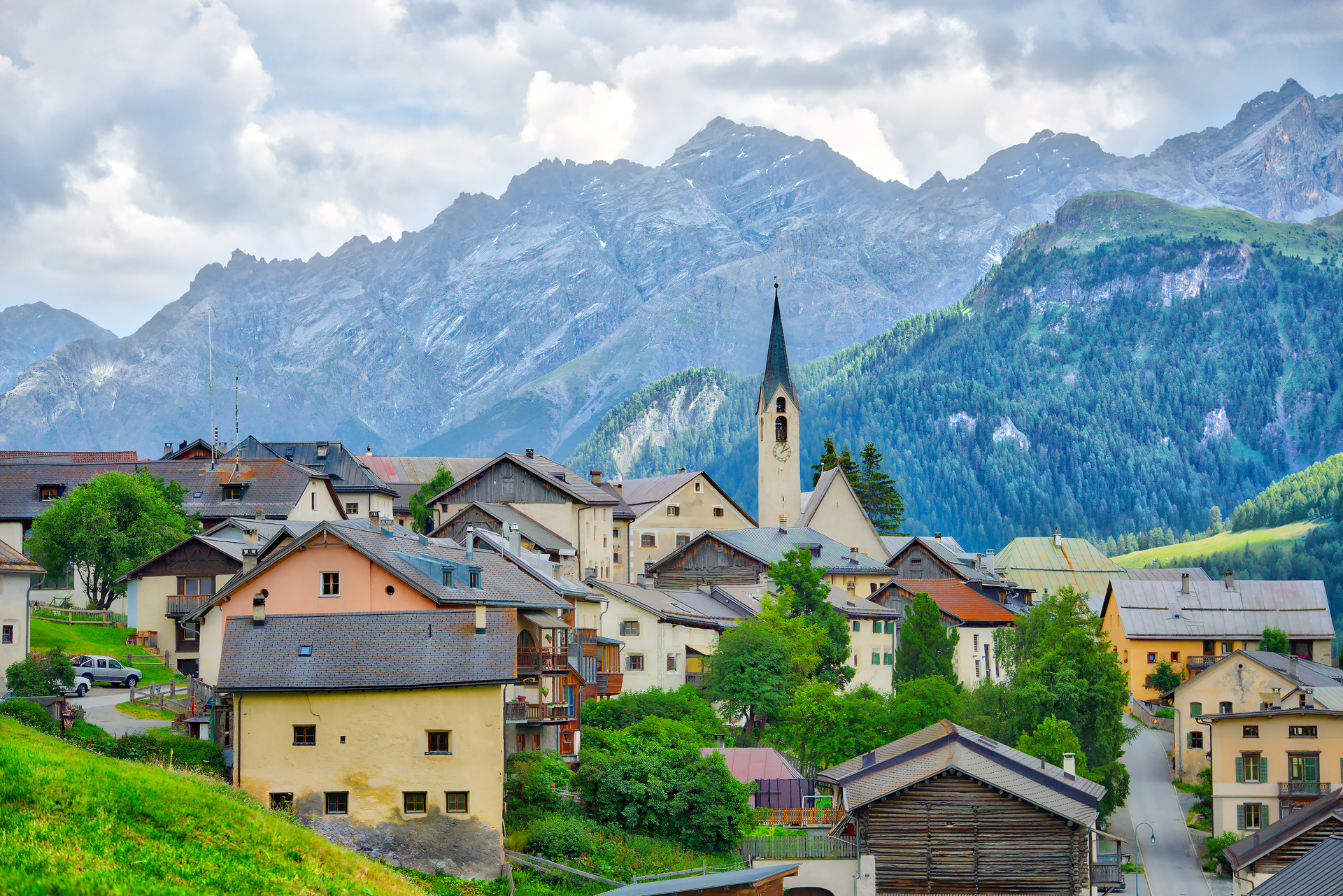
Switzerland is a beautiful country with soaring alpine mountains, rolling fields and lakeside towns. The houses span chalets, old stonework, and sleek modern builds. There's something for everyone, so it is no surprise that buying a home here is popular both with native-born Swiss and people throughout Europe.
This has led to a thriving housing market. According to the Swiss Federal Statistical Office, hundreds of thousands of people change residences in Switzerland each year, with urban regions such as Zurich seeing particularly high mobility. Despite this frequency, relocating remains one of the most complex household transitions, shaped by tight urban infrastructure, strict regulations, and the challenging geography that makes the country such a sought-after destination. A move in Switzerland is rarely just about transporting furniture from one address to another; it is a logistical exercise that rewards preparation and local expertise.
Many relocations encounter unexpected complications long before moving day arrives. Dense city centers often involve narrow streets, limited parking, and strict time windows for loading and unloading. In contrast, relocations involving rural or alpine areas introduce an entirely different set of challenges. Properties in mountain villages may be inaccessible to standard moving trucks, requiring smaller vehicles or even alternative transport solutions. Weather adds further uncertainty, as snow, ice, and heavy rainfall can disrupt carefully planned schedules, particularly during the winter months.
Legal and administrative considerations also play a role. Building regulations, municipal permits, and property management requirements can vary by canton and even by neighborhood. Overlooking these details can result in delays, additional costs, or disputes with landlords and local authorities. These factors make moving in Switzerland a process where assumptions often lead to complications - and prospective homeowners ignore local movers' knowledge at their peril.
Successful relocations typically begin with a detailed assessment of access routes, building layouts, and environmental conditions. Route surveys help identify whether standard vehicles are suitable or if specialized equipment is required. In areas with limited infrastructure, contingency planning becomes essential to account for weather disruptions or restricted storage options.
Another important consideration is deciding how much of the process to manage independently versus relying on professional support. While smaller moves may seem manageable without assistance, larger household or corporate relocations often involve dismantling furniture, securing fragile items, and coordinating storage solutions. Improper packing or handling increases the risk of damage, particularly when navigating long distances or difficult terrain. A bumpy mountain road can wreak havoc on poorly packed plates and crockery.
Experienced moving firms like Kuoni Umzüge GmbH advise their clients not to overlook the importance of timing. Coordinating move-in and move-out dates, securing permits in advance, and aligning transport schedules with building access rules can significantly reduce stress and cost overruns. And no one wants to attempt a mountain road in winter whilst hauling literally everything but the kitchen sink.
Veteran home buyers may be tempted to simply hire a van and DIY their move. However, in Switzerland, experienced moving providers operating offer so much more than transport services. The local knowledge, built over decades, that they can contribute enables realistic planning for both urban and remote relocations. Their familiarity with Zurich’s regulatory environment, combined with experience handling long-distance and alpine moves, allows for tailored solutions that address access limitations, storage needs, and specialized handling requirements.
Beyond logistics, established movers often reflect broader community engagement, supporting local organizations and social initiatives. This helps newcomers to contribute to their community before they have even unpacked.
Relocating in Switzerland is a process shaped by necessities of geography, regulation, and timing. Careful preparation, realistic expectations, and informed decision-making help transform a potentially disruptive event into a manageable transition.


