While the diesel engine is the engine of choice of the trucking industry, it is not as bulletproof as many fleet owners and drivers imagine. Learn about their chinks and how to get them to last longer.
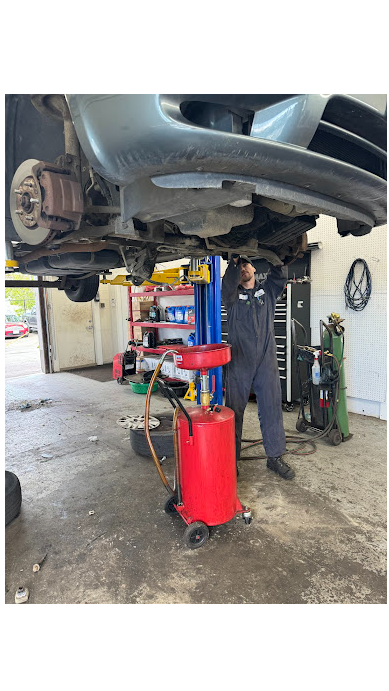
Diesel engines earned their place in commercial fleets for good reason. They deliver strong torque, hold up under heavy loads, and typically last far longer than their gasoline counterparts. For businesses that depend on uptime, such as delivery companies, contractors, and service fleets, diesel trucks remain the workhorse of choice. When maintained properly, they offer predictable performance and solid long-term value.
That reliability, however, often leads to overconfidence. Diesel engines are tough, but they are not indestructible. As emissions systems grow more complex and skilled technicians become harder to find, even minor issues can escalate quickly.
A disabled diesel truck does not just mean a repair bill, it means missed jobs, rerouted drivers, and frustrated customers. Unlike passenger vehicles, fleet trucks are rarely spare assets, as each day spent in the shop translates to thousands of dollars in losses.
Most shutdowns do not happen without warning. They are usually the result of issues that develop gradually, then reach a tipping point typically during a critical job or delivery window.
Costly diesel failures rarely happen without warning. Regular check-ins with qualified diesel mechanics help fleet owners catch early signs of trouble before they escalate into major repairs or roadside downtime.
Having experienced technicians familiar with a fleet allows them to spot subtle changes in performance or diagnostics that could signal a developing problem. So, for fleet operators, building a relationship with a qualified diesel shop transforms routine maintenance from an expense into protection against the far steeper price of protracted downtimes.


