Think content marketing is all AI and overrated? Let’s take a practical look at common content marketing myths, why they persist, and how thoughtful strategy can help businesses build credibility, consistency, and long-term growth.
Recent industry analysis shows that companies with documented content strategies report a 33% higher return on investment than those without one. Yet many organizations continue to feel unsure about how content actually works or why their efforts seem ineffective. Misconceptions remain widespread, creating confusion and causing many to abandon promising strategies before they have time to deliver meaningful impact.
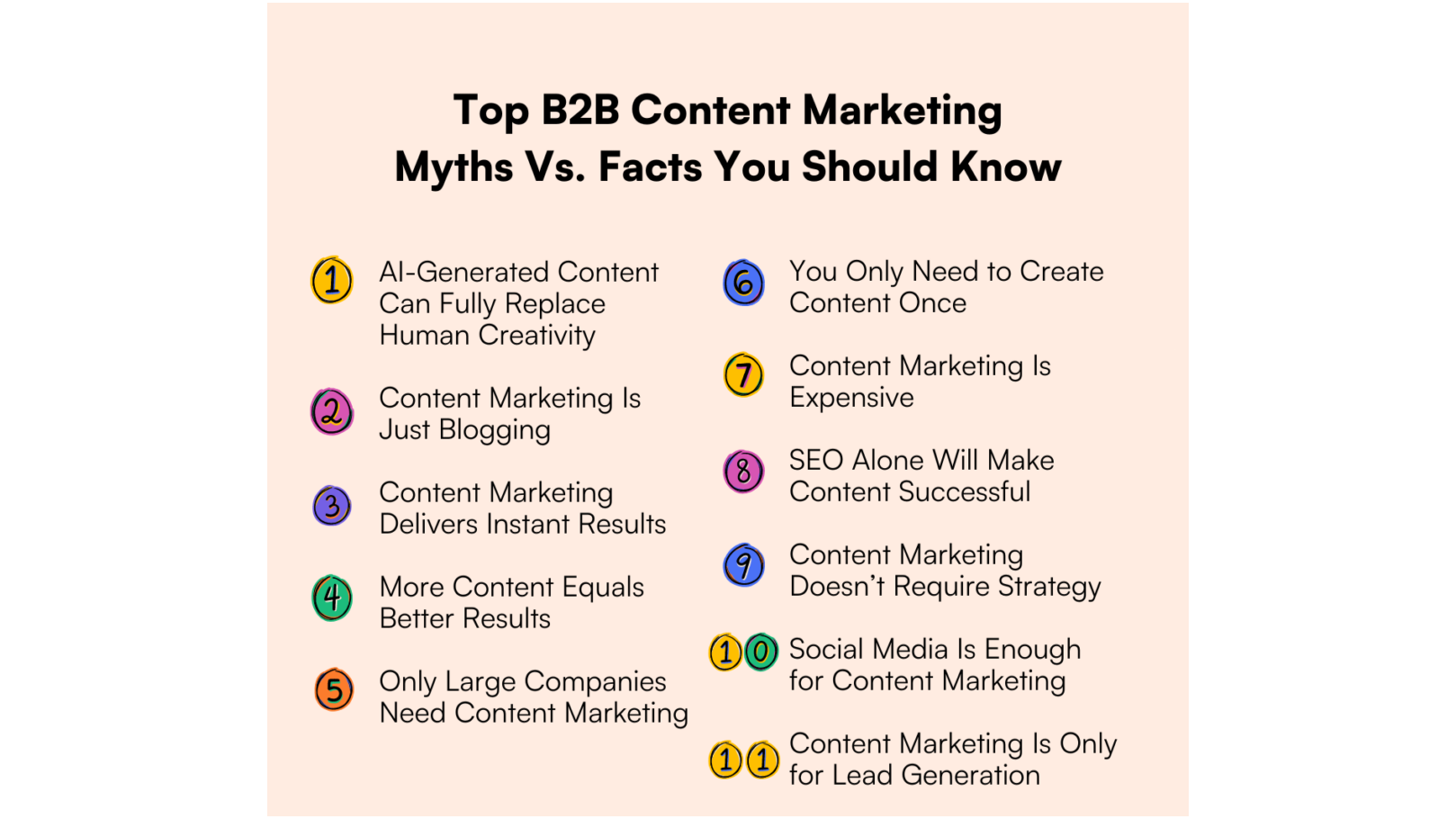
A major challenge is the expectation of speed. Many assume content should produce instant traction, making slower early results feel like failure rather than a natural part of growth. Others believe content is interchangeable with blogging, overlooking the broader ecosystem of formats that build visibility and trust over time. In some cases, the influence of new technology contributes to confusion, with the idea that artificial intelligence can replace human intuition, dampening the perceived need for creativity and narrative skill. So let's break it down and get to the truth.
Marketing specialists, Hargroves Helping Hand Media Group, shared what they think are the most common myths about content marketing that are holding businesses back:
Strong content does not end with publication. Assets grow in value when updated, repurposed, and redistributed. A single idea can serve multiple audiences when it evolves across formats such as articles, audio, visual snippets, or long-form guides.
Content scales. Solo consultants, local service providers, and small organizations can use well-focused, consistent content to build authority. High-budget campaigns are not a requirement; purpose and clarity typically outperform volume and expense.
Search visibility matters, but holding attention requires relevance and substance. Meaningful engagement comes from clarity, perspective, and value—not simply from keyword mechanics.
While AI can streamline processes and support ideation, authentic connection still depends on human experience, insight, and narrative judgment. Technology assists; it does not meaningfully replicate lived expertise.
So what is the truth about this misunderstood branch of marketing? Content is not simply a tool for generating leads; it also educates, nurtures, and reinforces a brand’s identity across time. Businesses that embrace a broad, adaptable content ecosystem tend to build deeper audience relationships and stronger foundations for future growth.
As conversations around content continue, many businesses are beginning to look beyond quick wins and embrace strategies centered on clarity and longevity. Debunking these myths offers an opportunity to recalibrate expectations and strengthen the long-term potential of any content campaign.


