Choosing your first synthesizer between Moog and Korg? While both brands shaped electronic music history, some industry experts recommend one over the other for beginners… and their reasoning might surprise you.
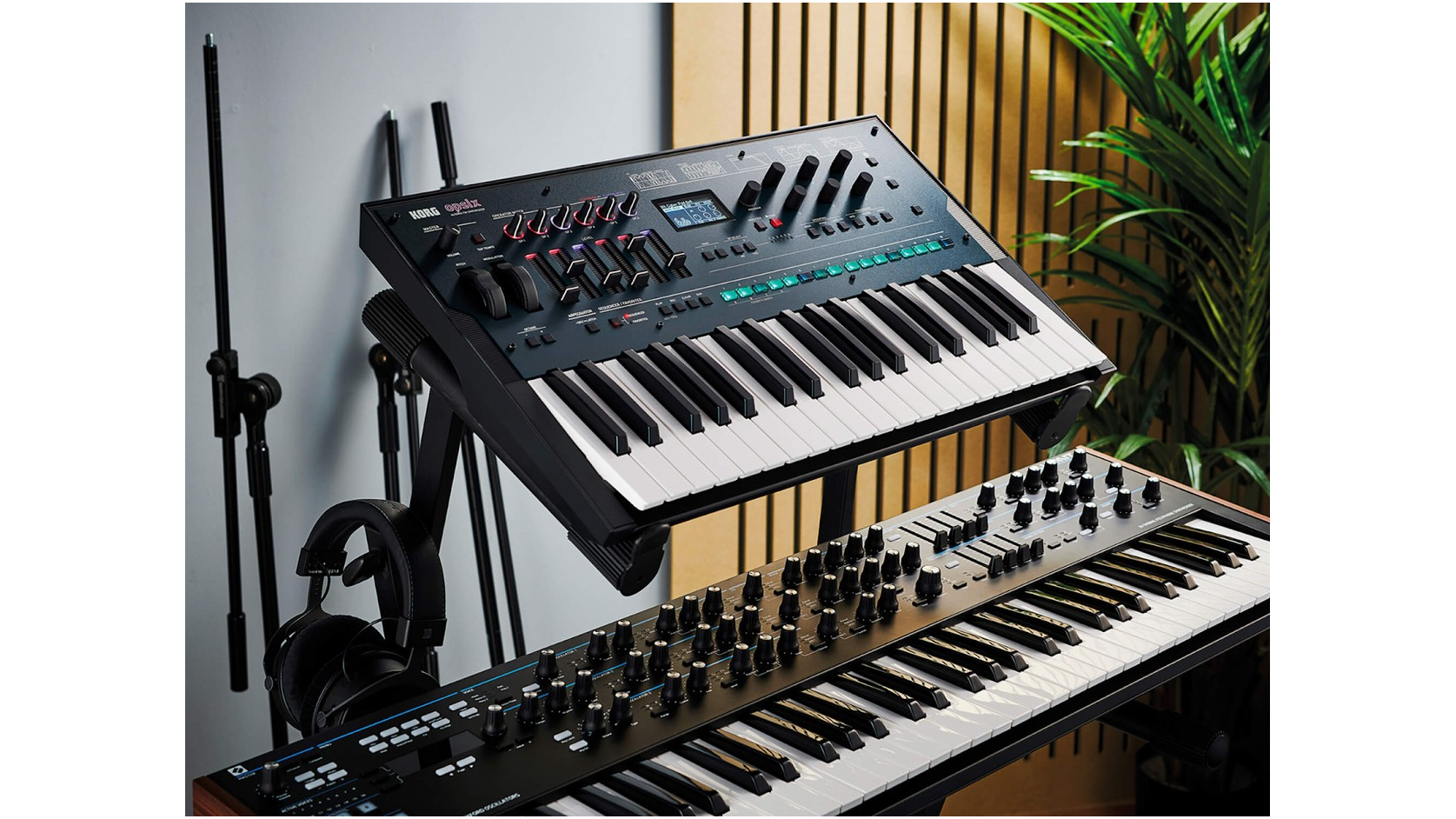
Choosing between Moog and Korg synthesizers is one of the most important decisions for beginners entering the world of synthesis. Both brands have shaped electronic music for decades, yet they take fundamentally different approaches to sound creation and user experience. Understanding these differences helps new players make an informed choice that aligns with their musical goals and learning preferences.
Many synthesis experts recommend Korg for beginners due to its immediate accessibility, while others suggest Moog for those dedicated to learning analog synthesis from the ground up. Korg synthesizers like the Minilogue XD offer polyphonic capabilities, allowing new players to experiment with chords and harmonies from day one. This polyphonic design proves essential for understanding how multiple voices interact within electronic music compositions.
The built-in preset libraries in Korg instruments provide immediate musical inspiration. Beginners can explore professionally programmed sounds before diving into synthesis fundamentals, creating a more encouraging introduction to electronic music making. Sam Ash's detailed comparison of Moog vs Korg synthesizers highlights how these preset collections help bridge the gap between complete novice and confident sound designer.
Here's a preview: the digital displays and menu systems in modern Korg synthesizers make parameter editing more intuitive than traditional analog interfaces. New users can see exactly which settings they're adjusting, reducing the guesswork that often frustrates beginners working with hardware synthesizers for the first time.
The philosophical differences between these two major brands run deeper than simple feature sets or price points. Each company developed distinct synthesis methodologies that reflect their founding principles and target audiences.
Robert Moog's company played a pivotal role in popularizing voltage-controlled synthesizers in the 1960s, and the 1970 release of the Minimoog Model D made synthesizers more accessible to musicians. Moog synthesizers prioritize pure analog signal paths, voltage-controlled components, and hands-on performance interfaces. The legendary Minimoog Model D exemplifies this approach with its straightforward signal flow and immediate tactile response.
Modern Moog instruments like the Grandmother maintain this analog heritage while incorporating semi-modular capabilities. These designs encourage experimentation through patch cables and direct parameter manipulation, creating an educational experience that teaches synthesis fundamentals through physical interaction, rather than menu diving.
Korg's Tokyo-based origins in 1962 led to a different synthesis philosophy that embraces technological advancement alongside traditional analog warmth. The company gained recognition with rhythm machines before developing synthesizers that combined analog filters with digital oscillators and effects processing.
This hybrid approach appears clearly in instruments like the Minilogue XD, which features analog filters paired with digital oscillators and built-in effects. Korg's willingness to integrate digital technology has resulted in synthesizers with the kinds of expanded sonic palettes and modern workflow conveniences that analog purists sometimes resist.
The sonic characteristics of each brand lead to distinct musical possibilities that beginners should understand before making their first synthesizer purchase. These differences go beyond subjective preferences toward practical considerations about musical applications.
Moog is well-known for its ladder filter design, which contributes to a thick, warm sound heard on countless classic recordings. This filter imparts a musical saturation that makes even simple waveforms sound immediately usable in musical contexts. The slight pitch drift inherent in analog oscillators adds organic character that many musicians prefer over digitally precise alternatives.
Korg's hybrid designs offer broader sonic territories through their combination of analog and digital components. While maintaining analog warmth when desired, Korg synthesizers can also produce crystal-clear digital tones, aggressive digital distortions, and complex evolving textures that pure analog designs can't achieve.
Many classic Moog synthesizers, like the Minimoog Model D, are monophonic, which is ideal for bass lines and lead melodies. However, some modern Moog instruments offer duophonic or polyphonic capabilities. This limitation is an advantage for bass lines and lead melodies, where single-note expressiveness matters more than chord capabilities. The Moog Grandmother exemplifies this approach, delivering powerful monophonic performance with semi-modular flexibility.
Korg's emphasis on polyphony allows beginners to explore harmonic relationships and chord progressions immediately. The Korg Minilogue XD's four-voice polyphony enables basic chord work while teaching voice allocation concepts that apply to larger polyphonic instruments.
Traditional Moog designs focus on core synthesis elements rather than integrated effects processing. This approach encourages users to understand fundamental synthesis principles before adding external processing, creating a more educational but initially limited sonic palette.
Korg synthesizers typically include effects sections with reverbs, delays, and modulation effects built into the instrument. These integrated processors allow beginners to create polished, professional-sounding results immediately, though they may skip over synthesis fundamentals in favor of preset browsing.
The interface design philosophy of each brand creates different learning experiences that suit different personality types and musical goals.
Moog interfaces emphasize one-knob-per-function layouts that make every parameter immediately accessible. This direct control approach eliminates menu diving - instead, creating an intuitive connection between physical gestures and sonic results. Beginners can hear the effect of every adjustment in real-time, building synthesis understanding through experimentation.
The semi-modular capabilities in instruments like the Moog Grandmother add patch cable exploration to the learning process. While initially intimidating, these connections teach signal flow concepts that apply to all electronic music production, creating valuable foundational knowledge.
Korg's integration of digital displays and menu systems provides detailed parameter feedback that helps beginners understand exactly what each setting accomplishes. Motion sequencing features allow users to record knob movements, creating evolving sounds that would require complex modulation routing in purely analog systems.
The preset organization in Korg synthesizers groups sounds by musical category, helping beginners discover appropriate starting points for different musical styles. This categorization system teaches genre conventions while providing inspiration for original compositions.
Understanding the musical applications where each brand traditionally excels can help beginners choose instruments that match their own creative goals.
Moog synthesizers dominate rock, funk, and electronic music genres that prioritize expressive monophonic performance. The thick analog bass tones and screaming lead sounds that define these styles come naturally from Moog's analog circuits and performance-oriented interfaces.
The immediate response and tactile control of Moog instruments make them well-suited for live performance, particularly for musicians who prioritize hands-on sound shaping. Guitar players transitioning to synthesizers often prefer Moog's straightforward, instrument-like approach to electronic music making.
Pop, EDM, ambient, and film scoring applications benefit from Korg's polyphonic capabilities and integrated effects processing. These genres require lush chord progressions, evolving pad sounds, and complex layered textures that polyphonic synthesizers handle more effectively than monophonic alternatives.
Korg's sequencing capabilities and motion recording features support the loop-based composition methods common in electronic music production. Beginners interested in these genres find Korg instruments more immediately applicable to their creative goals.
While both brands offer excellent entry points into electronic music, Korg synthesizers generally provide more beginner-friendly experiences through their combination of educational features and immediate musical gratification, experts say. The polyphonic capabilities, preset libraries, and integrated effects are conducive to an environment where new players can achieve professional-sounding results while gradually learning synthesis fundamentals.
Moog synthesizers reward dedicated study and hands-on exploration, making them excellent choices for beginners committed to understanding analog synthesis principles from the ground up. However, the monophonic limitations and minimalist feature sets may frustrate newcomers seeking immediate versatility and modern conveniences.
The choice ultimately depends on individual learning styles, musical goals, and patience levels, but most synthesis educators point beginners toward Korg's more accessible and immediately rewarding instruments as the ideal starting point for electronic music exploration.
Of course, both Moog and Korg offer a range of synthesizers suitable for beginners. Further research and hands-on experience can help you determine which brand best suits your individual needs and preferences.


