Mold and mildew on concrete can ruin first impressions and drive customers away. Learn how businesses can prevent stains, reduce liability risks, and protect their reputation with expert cleaning and maintenance tips.
Over 80% of customers say they avoid businesses with dirty exteriors, according to a ServiceChannel survey. That means four out of five potential customers might never walk through your doors simply because of what they see outside.
Mold and mildew are unsightly. They also create slip hazards that increase your liability risk, raise health concerns for visitors, and send a clear message that your business doesn't pay attention to details.
Concrete might look solid and impervious, but it's porous, soaking up moisture like a sponge. Add some shade from buildings or trees, and you've created the perfect breeding ground for organic growth.
Monmouth County's climate makes these problems worse. The humidity from coastal air, combined with frequent rain and morning dew, keeps surfaces damp longer than in drier regions. During the summer months, mold and mildew can spread across concrete surfaces in just weeks. Left unchecked for months, it penetrates deep into the porous material.
What starts as surface staining becomes a structural problem. The organic growth feeds on the concrete itself, gradually weakening the surface and creating permanent damage that's expensive to repair.
Your customers make snap judgments about your business before they even reach your front door. When they see stained, moldy concrete, they think: "If this business can't maintain their own property, how do they treat their customers?"
Besides lost business, you also must deal with:
Timing matters when considering washing your business's exterior. Spring cleaning removes winter buildup before the humid summer months accelerate growth, while fall cleaning prepares surfaces for winter weather and removes organic matter that feeds mold during wet months.
Commercial-grade pressure washers deliver consistent water pressure and volume that DIY rental equipment simply can't match. Most commercial properties take 2-4 hours for thorough cleaning - a worthwhile investment compared to months of customer loss.
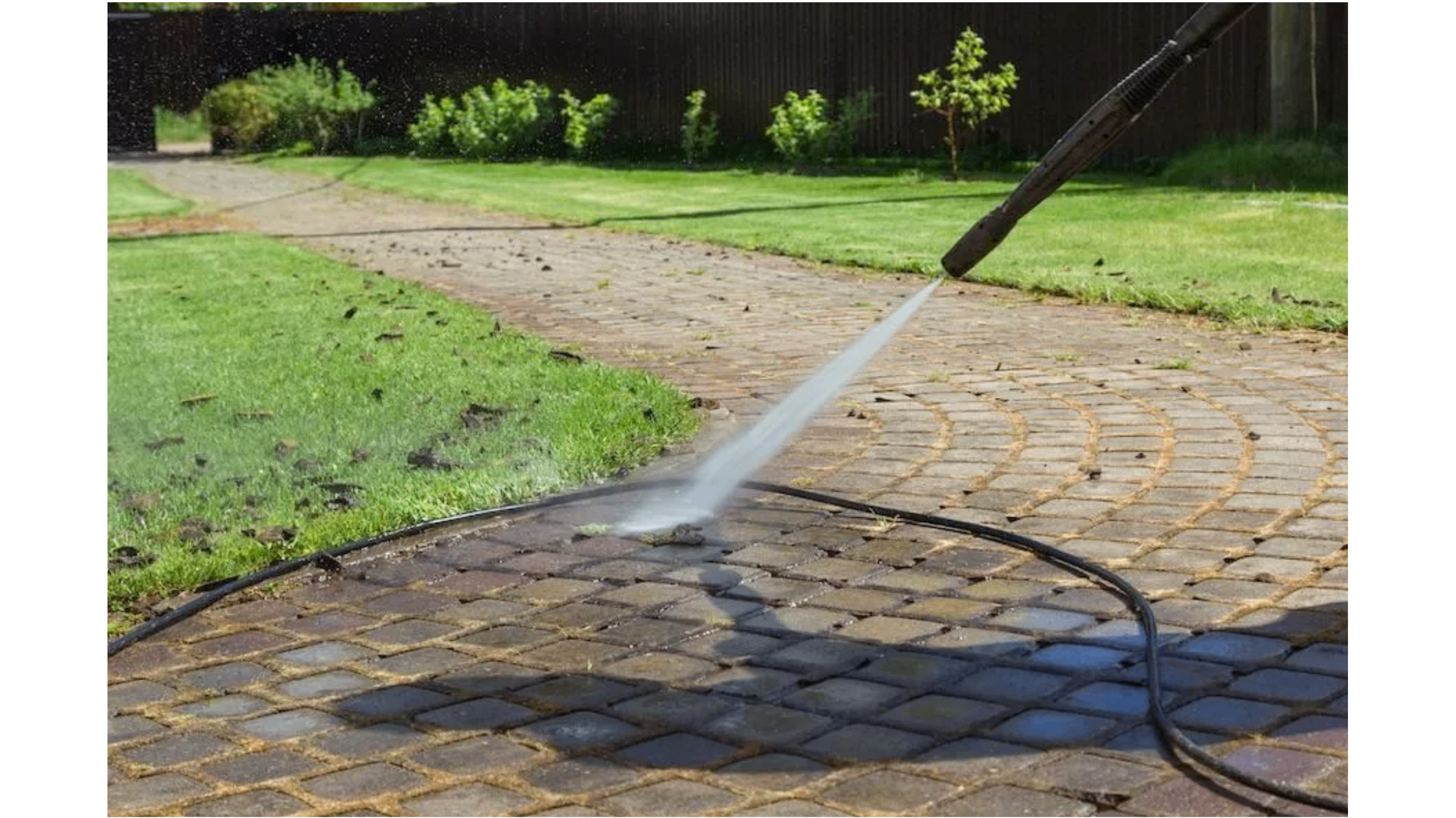
High-pressure cleaning works well for sidewalks, parking lots, and other hardscape. The force removes embedded stains and kills surface growth effectively.
Delicate areas need a different approach. Building facades, decorative stonework, and areas near landscaping require low-pressure soft washing. This method uses specialized cleaning solutions to kill mold and mildew without damaging surrounding surfaces.
Professional services often include biodegradable anti-fungal solutions that prevent regrowth for months after cleaning.
Sealing concrete reduces moisture absorption, making it harder for mold and mildew to establish in the first place.
Look around your property for areas where water pools or drains slowly. Fixing drainage issues prevents the constant moisture that feeds mold growth.
Trimming plants to improve airflow, adjusting downspouts to direct water away from buildings, and removing debris that blocks drainage all help keep surfaces drier.
The math is simple: lost customers cost more than cleaning services. If even a few potential clients avoid your business because of exterior problems, you're losing more revenue than professional maintenance would ever cost.
Proactive maintenance costs less than emergency cleanup. Regular seasonal prevents the buildup that requires expensive deep cleaning or surface restoration.


