From faster builds to energy independence, here’s why modular is redefining how apartments get made in 2025.
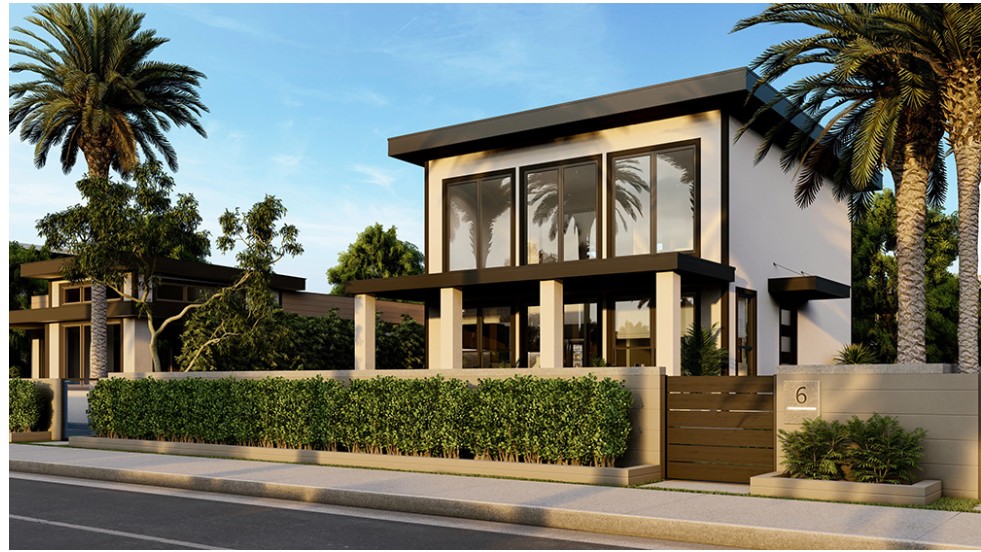
Modular construction isn't new—but the way it's being used today? That's a different story. What was once seen as a niche, boxy solution is now powering some of the most sustainable, scalable, and cost-efficient apartment buildings in the U.S.
In fact, the U.S. modular construction market is projected to nearly double from $25.6 billion in 2024 to $49.6 billion by 2033, driven by surging demand for faster builds, greener tech, and affordable housing that actually lasts.
So what exactly is modular construction—and why is everyone from urban planners to real estate developers paying attention?
At its core, modular construction is about building smarter.
Instead of constructing everything on-site, modular methods involve manufacturing key components (called "modules") in a factory setting. These are then transported and assembled on the final site like architectural LEGO—only on a massive scale.
This off-site approach reduces project timelines, improves quality control, and cuts down on waste. And with today's advances in design flexibility and sustainable tech, these buildings often look and function better than traditionally built properties.
Modular construction includes:
For developers and city planners alike, the appeal is clear:
Even better, modular buildings can directly address housing shortages, especially in urban centers where labor is scarce and real estate timelines are notoriously slow.
One example: the Findlay Project in Pennsylvania, which delivered 312 modular apartment units at scale—offering both speed and affordability in a high-demand market.
Today's modular builds are no longer just fast—they're smart.
Construction companies are pioneering the integration of:
These innovations don't just improve the resident experience—they reduce long-term costs and future-proof the investment.
A key reason modular construction is thriving in 2025? Environmental performance.
According to recent studies, modular techniques can:
Combine this with energy-efficient materials, solar tech, and off-grid capabilities—and it’s easy to see why modular buildings are becoming a sustainability standard, not an exception.
Unlike traditional construction, which often starts degrading the moment it's complete, some modular buildings are designed to get stronger over time.
Using bio-based materials that undergo a natural fossilization process, certain developers have engineered materials that resist fire, mold, termites, and mildew—and increase their structural integrity with age.
This kind of longevity could transform long-term maintenance costs, insurance premiums, and building durability across decades.
Modular construction isn't just for budget builds or emergency housing anymore.
It's also being used in:
If your project needs to:
…then modular is more than just viable—it might be the smartest option on the table.
Curious about how modular could fit into your next apartment project or development pipeline? Firms like S2A Modular are already helping builders and developers across Californiaintegrate advanced modular solutions with renewable energy systems and smart controls.
Be it optimizing for net-zero performance or cutting project timelines in half, a quick consultation with modular professionals can help you map the possibilities.


